


our favourite
Iconic Art Films
Cinema has always been one of the richest sources of inspiration for creatives. The best art house films shape the way people think about colour, composition, fashion, architecture, music and visual storytelling itself. Long after the credits roll, certain scenes, textures and atmospheres remain fixed in memory, influencing photography, design and fashion for decades afterwards.
What makes cinema especially powerful is its ability to combine multiple creative disciplines at once. Lighting, costume design, sound, movement and narrative all work together to create emotional worlds audiences can completely immerse themselves within. For designers, photographers, stylists and artists, these films often become visual reference points that continue resurfacing throughout creative work.
From poetic European cinema to contemporary visual masterpieces, these are 10 iconic films every creative should watch.
In The Mood For Love
Wong Kar-wai’s In the Mood for Love remains one of the most visually beautiful films ever made.
Every frame feels carefully composed like a painting or fashion editorial. Rich reds, deep shadows, slow camera movement and intimate costume design create an atmosphere filled with longing and restraint. Maggie Cheung’s fitted cheongsams became instantly iconic within fashion and cinema culture.
The film is essential viewing for anyone interested in visual storytelling films because mood and emotion are communicated as much through imagery and rhythm as through dialogue itself.
La Haine
Mathieu Kassovitz’s La Haine captures Parisian youth culture with extraordinary intensity and visual precision.
Shot in black and white, the film combines raw realism with striking composition and movement. Streetwear, sportswear and urban styling all play important roles in shaping the atmosphere of the film, influencing fashion photography and youth culture for years afterwards.
Its visual energy still feels remarkably contemporary today.
The Virgin Suicides
Sofia Coppola’s The Virgin Suicides helped define an entire generation of cinematic aesthetics.
Soft lighting, faded pastel colours and dreamlike suburbia create a visual world that feels nostalgic and emotionally distant at the same time. Costume design, music and cinematography blend together beautifully, making the film hugely influential across fashion editorials and contemporary photography.
Few directors understand atmosphere and emotional visual storytelling as instinctively as Coppola.
8½
Federico Fellini’s 8½ remains one of the defining works of European art cinema.
The film blends surrealism, memory and fantasy through extraordinary black and white cinematography and fluid visual composition. Fashion, performance and theatricality all exist throughout the film in ways that continue influencing designers and photographers today.
For creatives interested in visual experimentation and cinematic imagination, it remains essential viewing.
Call Me By Your Name
Few films have influenced modern fashion and lifestyle aesthetics as strongly as Call Me By Your Name.
The relaxed Italian setting, natural light, minimalist styling and effortless summer wardrobes created a visual language that quickly spread across fashion, interiors and travel culture. The film feels intimate and emotionally immersive without relying on dramatic spectacle.
Loose linen shirts, faded colours and soft Mediterranean textures continue influencing fashion campaigns and editorials years after release.
Persona
Ingmar Bergman’s Persona is often considered one of the greatest psychological art house films ever made.
The stark black and white imagery, close-up portraiture and abstract storytelling create a deeply unsettling but visually extraordinary experience. The film explores identity, performance and silence in ways that feel highly connected to photography and visual art.
Its influence can still be seen throughout contemporary fashion imagery and experimental filmmaking.
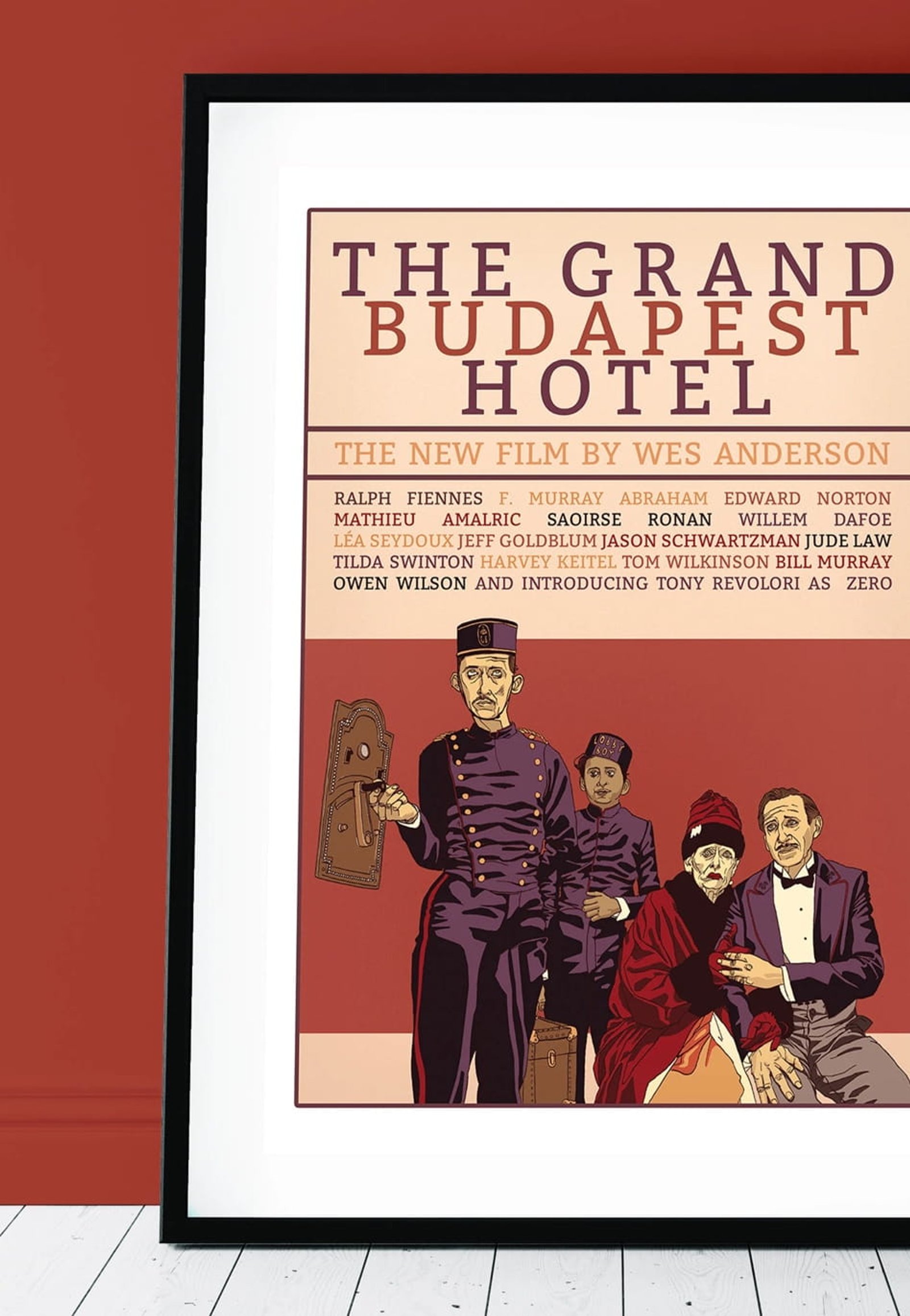
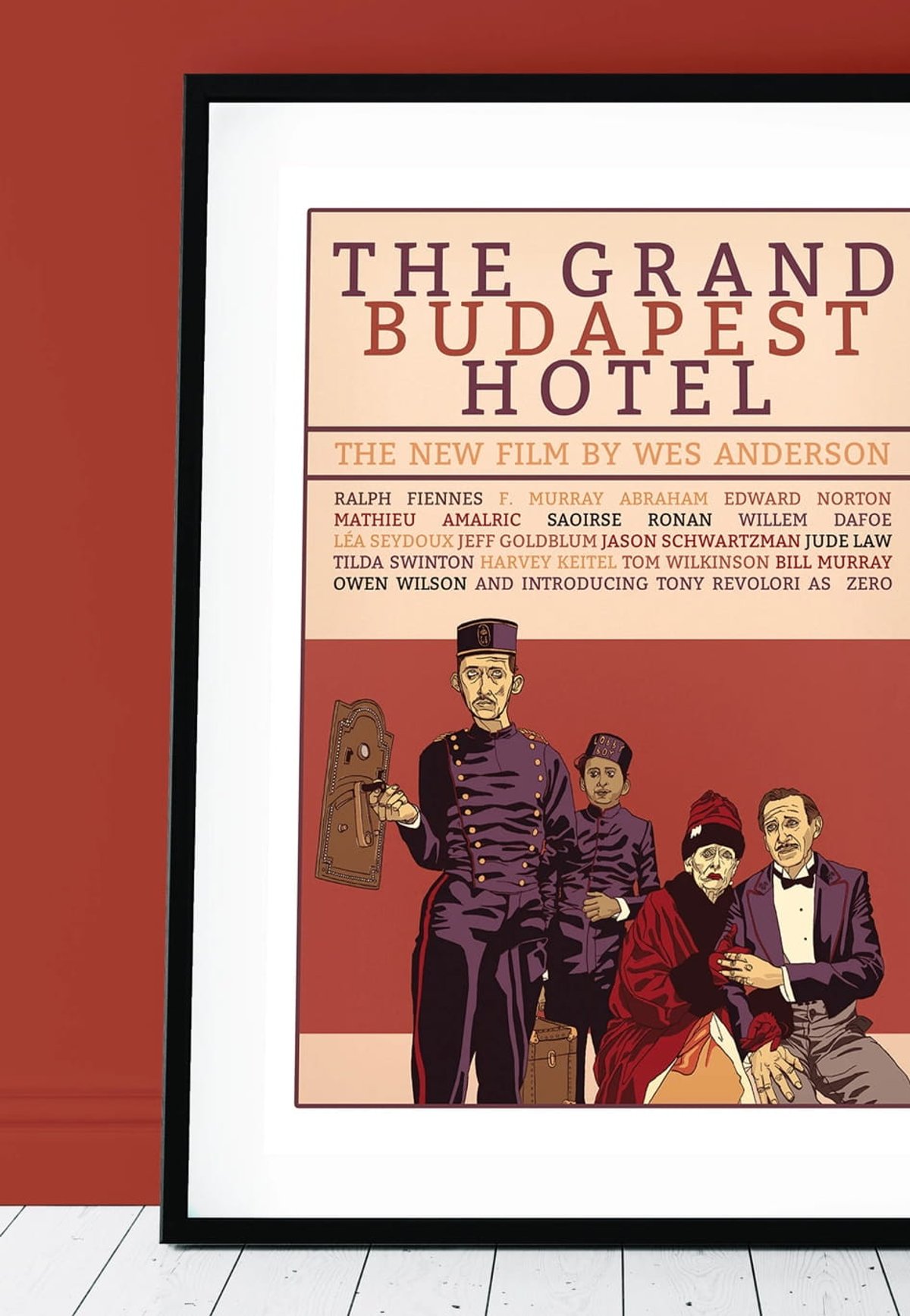
The Grand Budapest Hotel
Wes Anderson’s films are instantly recognisable, but The Grand Budapest Hotel remains perhaps his most visually complete work.
Colour palettes, symmetry, costume design and architecture all combine to create a cinematic world that feels meticulously designed in every detail. The film demonstrates how visual consistency can shape atmosphere and storytelling simultaneously.
Fashion, interiors and graphic design have all drawn heavily from Anderson’s visual language over recent years.
Paris, Texas
Wim Wenders’ Paris, Texas captures loneliness and emotional distance through landscape and colour in remarkable ways.
The cinematography by Robby Müller transforms empty highways, neon signs and desert landscapes into deeply emotional visual spaces. The film’s use of colour, framing and Americana styling has become hugely influential within photography and fashion editorials.
The atmosphere feels quiet, cinematic and timeless.
Cléo From 5 to 7
Agnès Varda’s Cléo From 5 to 7 remains one of the defining films of the French New Wave movement.
Set over the course of two hours in Paris, the film combines fashion, music and existential reflection through beautifully observed black and white cinematography. Cléo’s wardrobe and visual presentation play important roles in exploring identity and performance throughout the film.
Varda’s work continues inspiring filmmakers, photographers and designers across multiple creative disciplines today.
Blade Runner
Ridley Scott’s Blade Runner changed the visual language of science fiction forever.
The film’s futuristic architecture, neon lighting, layered costumes and dystopian atmosphere continue influencing fashion, photography and design decades later. Cyberpunk aesthetics, oversized outerwear and monochrome styling all draw heavily from the visual world created in the film.
Its impact on contemporary visual culture remains enormous.
Why Art Films Matter For Creatives
Art house films encourage slower and more thoughtful observation. Unlike mainstream cinema focused purely on plot, these films often prioritise mood, composition, texture and atmosphere as essential parts of storytelling.
For creatives, this kind of visual language becomes incredibly inspiring. Films teach rhythm, colour balance, emotional pacing and the relationship between image and feeling in ways few other mediums can.
Fashion photographers study framing and lighting. Designers reference costume and architecture. Stylists look at silhouette and mood. Creative inspiration often begins with cinema because films combine so many artistic disciplines simultaneously.
The Lasting Power Of Visual Storytelling
The most iconic visual storytelling films remain influential because they create emotional worlds audiences want to revisit repeatedly. Great cinema shapes not only how people think about storytelling, but also how they see colour, fashion, design and atmosphere itself.
For anyone working within creative industries, these films offer endless inspiration. Not simply through aesthetics alone, but through the emotional and visual depth they create across every frame.