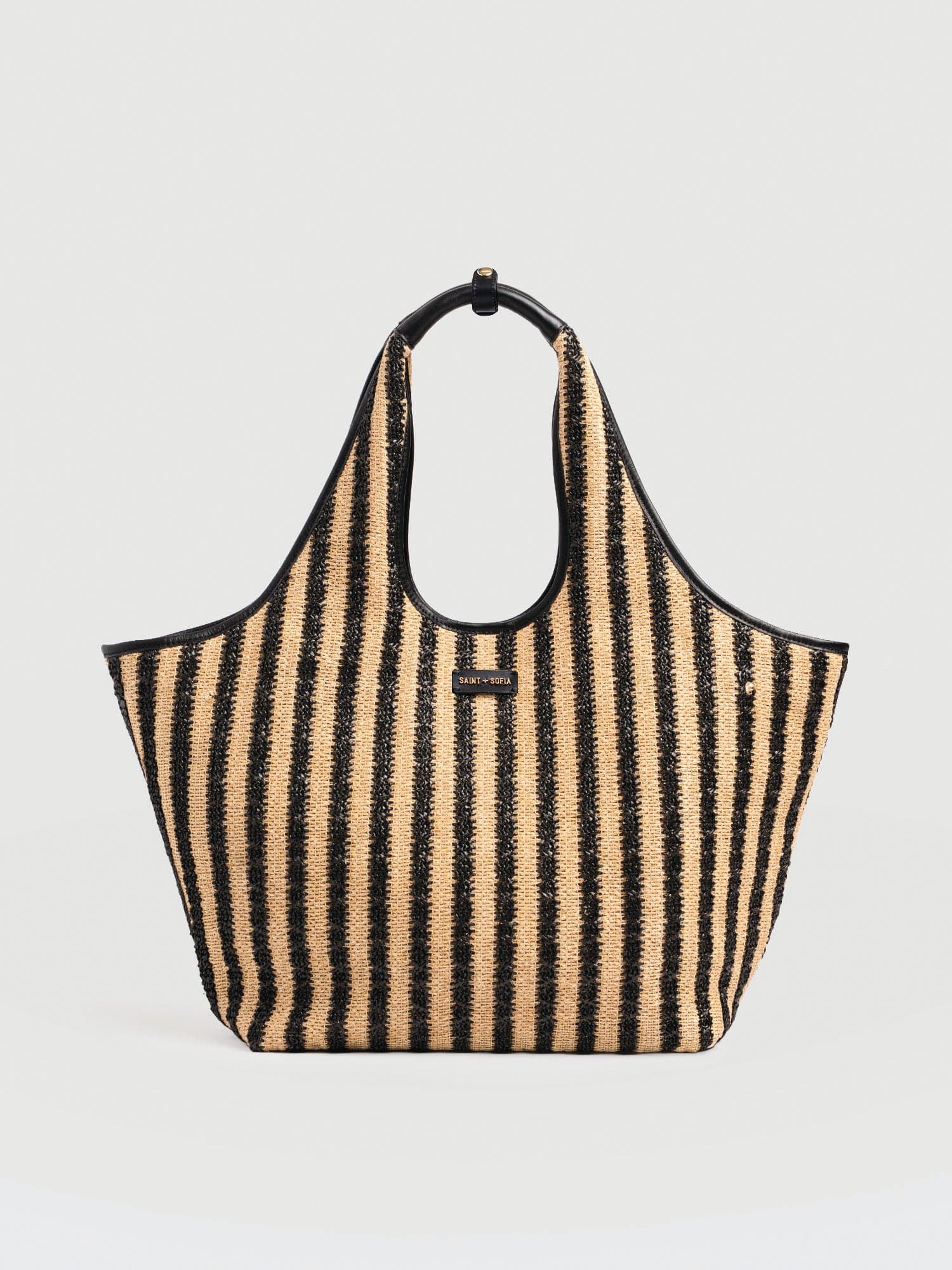
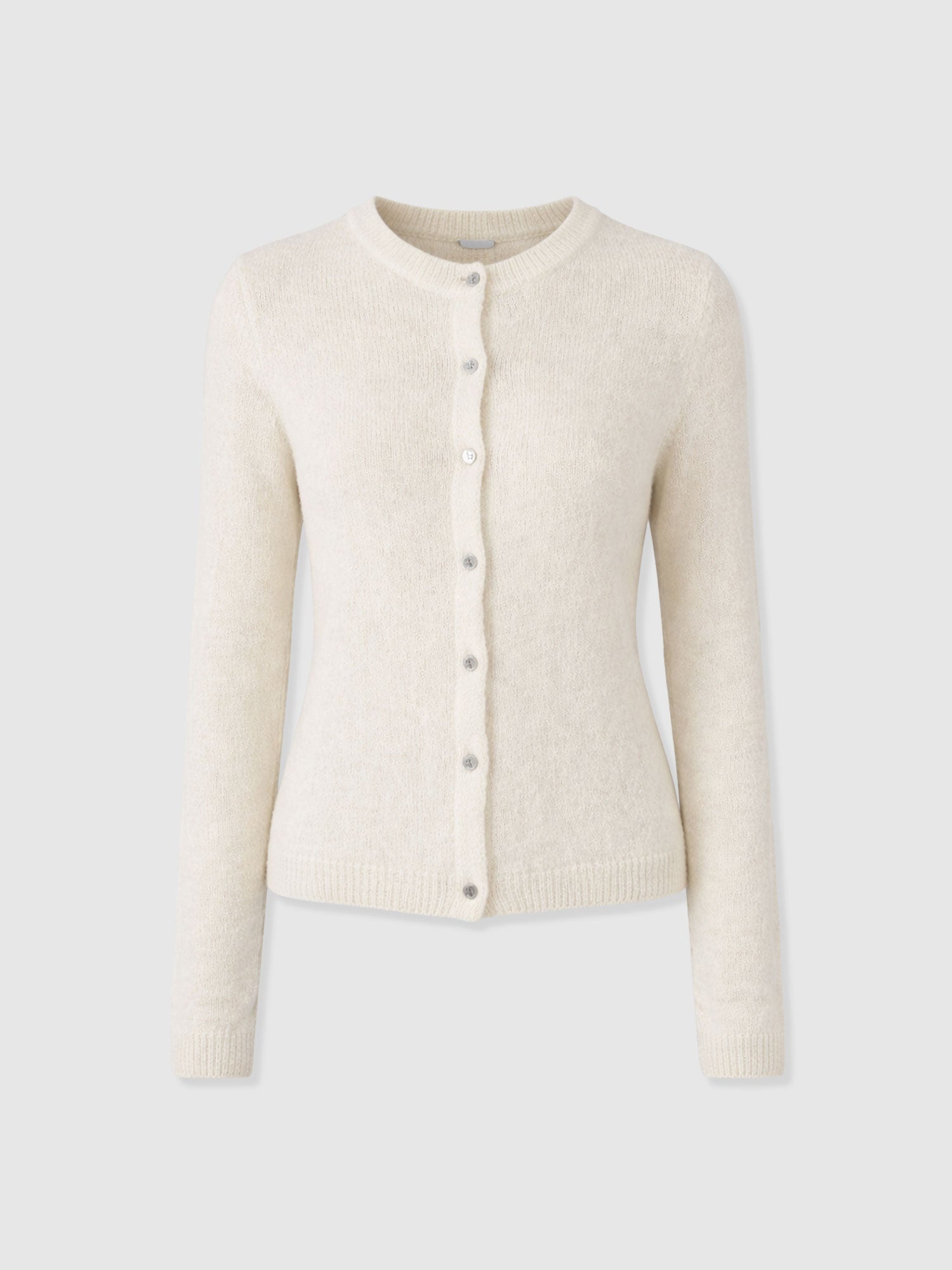

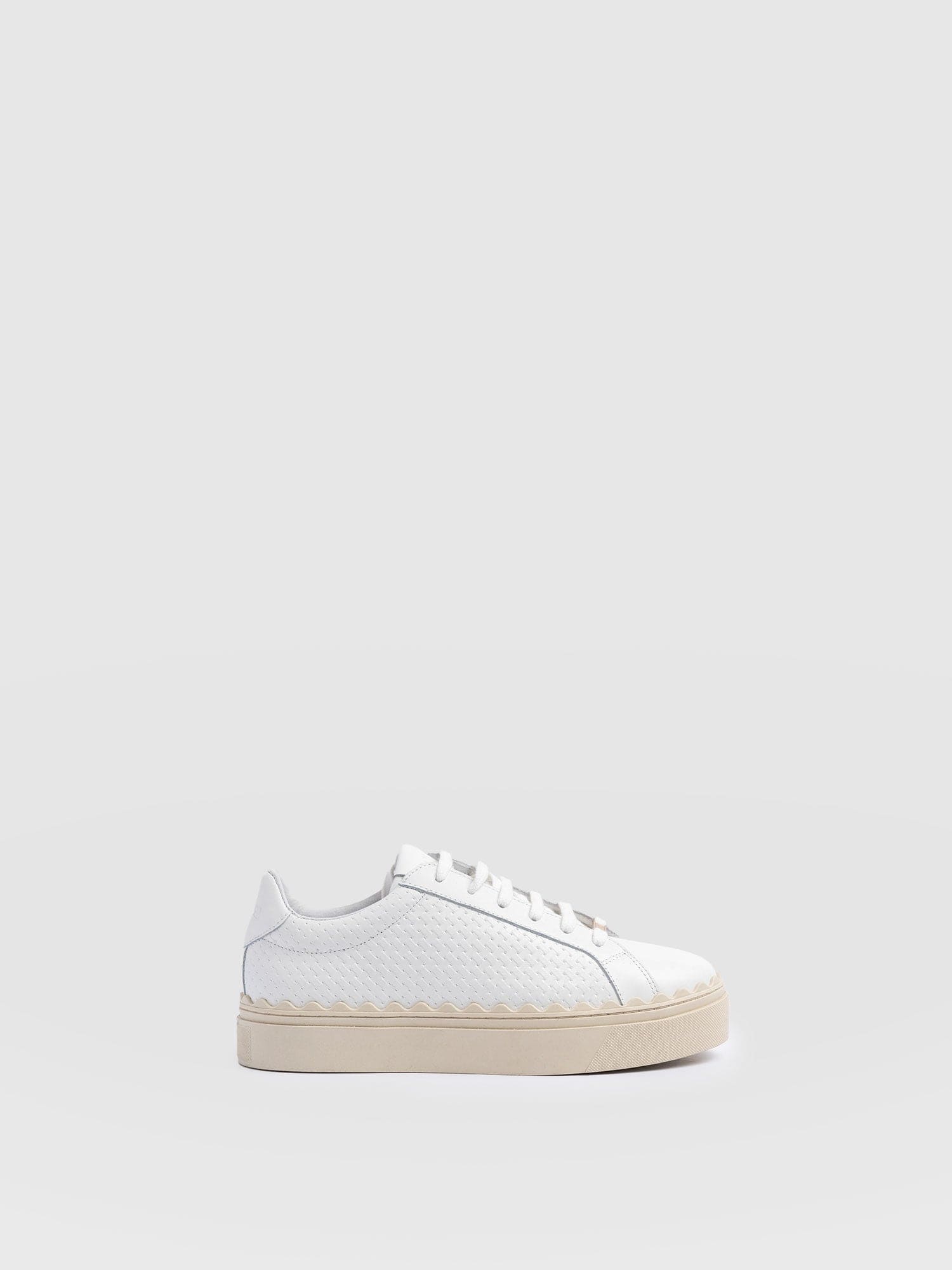

still influencing:
90s Minimalism Fashion
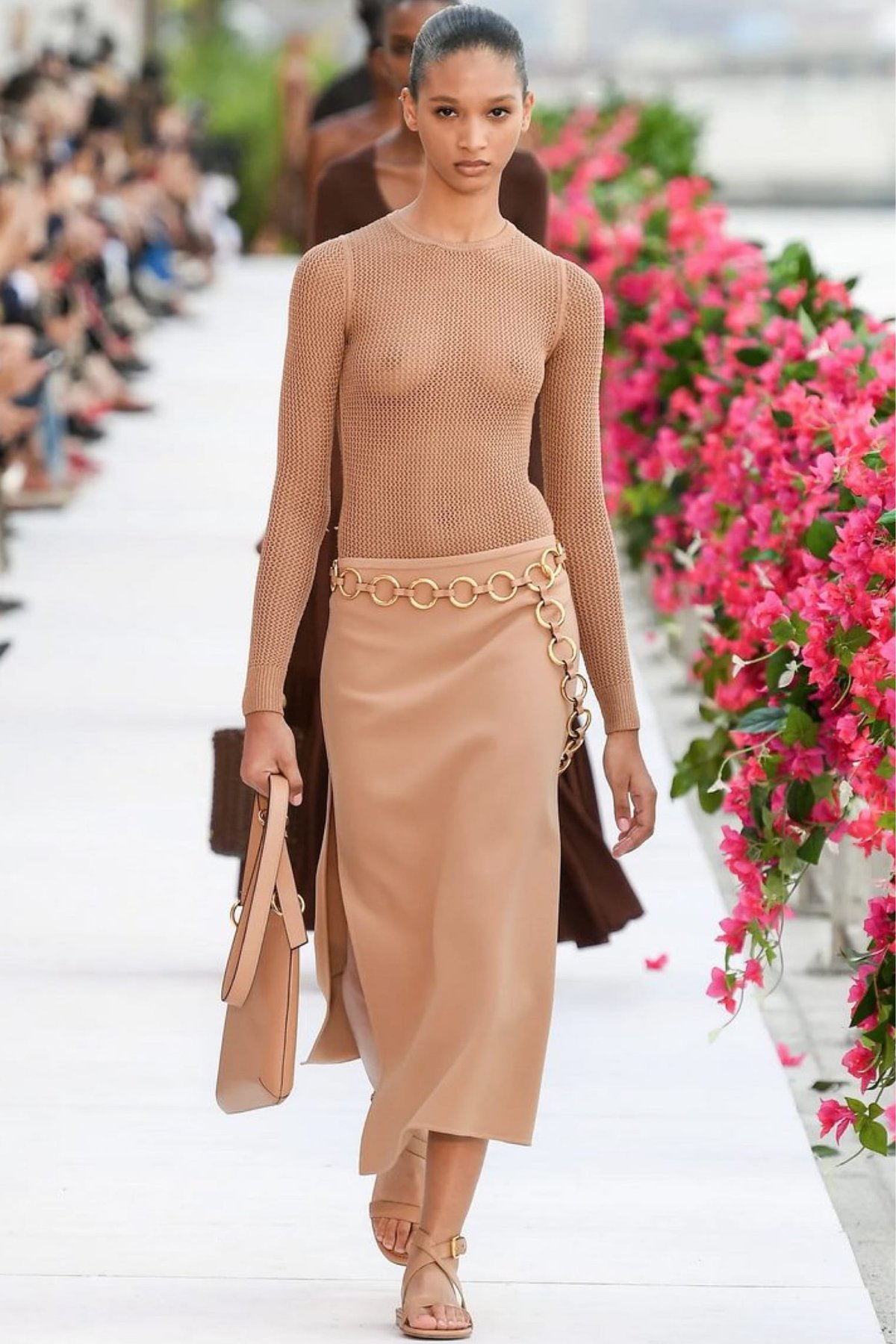
Fashion is constantly evolving, yet certain aesthetics continue to return decade after decade. Few movements have had the lasting cultural impact of 90s minimalism. Defined by clean lines, understated tailoring, neutral palettes and an effortless sense of cool, 90s minimalism fashion continues to shape the way people dress, design interiors, consume culture and approach modern lifestyles today.
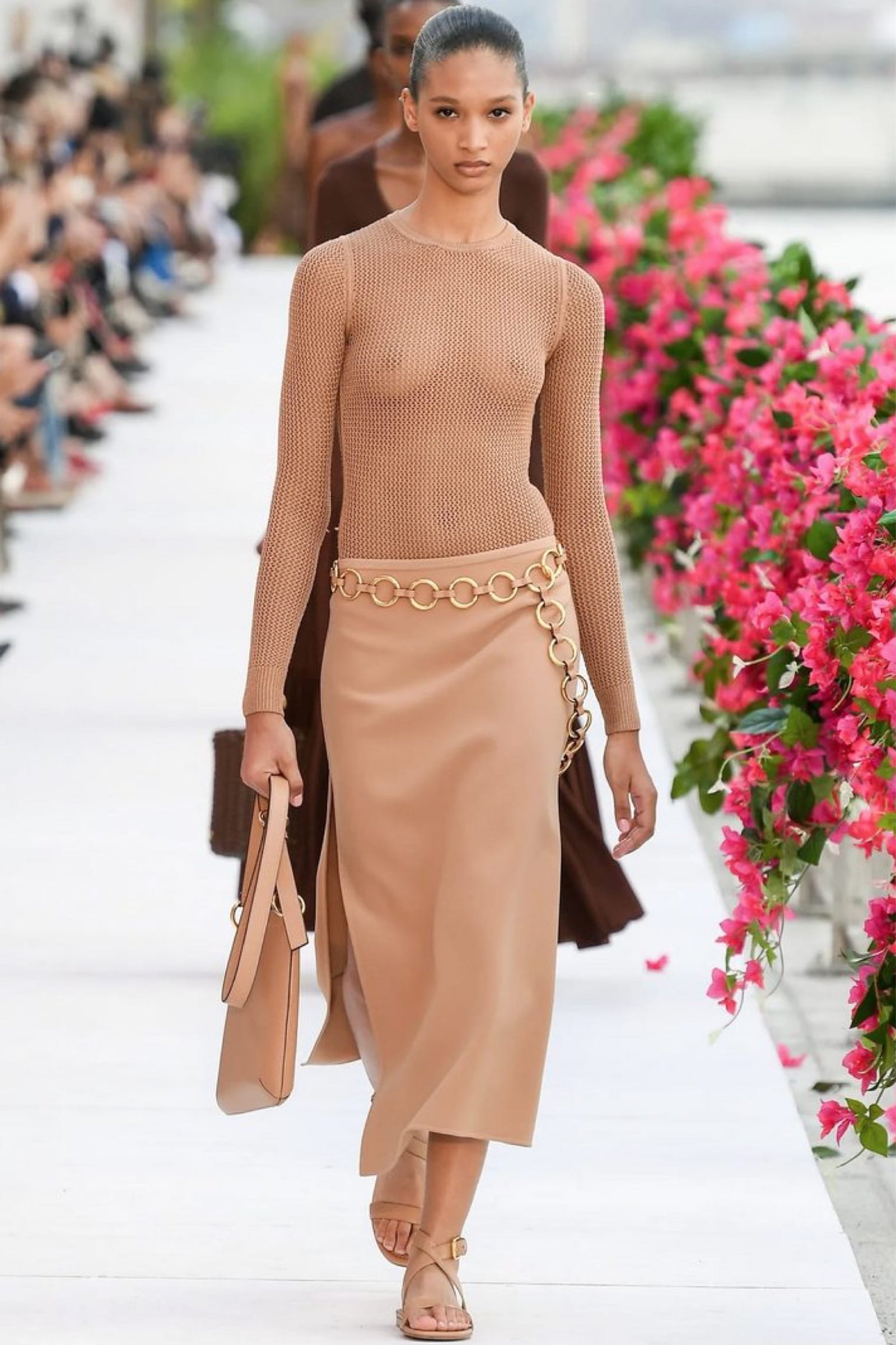
What makes the influence of 90s style so enduring is its simplicity. Unlike heavily trend-driven eras built around excess and decoration, 90s minimalism focused on restraint. Designers stripped fashion back to its essentials, allowing silhouette, fabric and proportion to take centre stage. The result was a quieter, more refined approach to style that still feels remarkably modern more than thirty years later.
Today, as fashion increasingly moves towards timeless dressing, elevated basics and versatile wardrobes, minimalist culture feels more relevant than ever.
The Designers Who Defined 90s Minimalism
Much of the visual language associated with 90s minimalism originated from a small group of influential designers who reshaped luxury fashion during the decade.
Calvin Klein helped popularise a stripped-back American aesthetic built around clean tailoring, monochrome palettes and sensual simplicity. Helmut Lang introduced utilitarian influences and modern minimal tailoring that still inspires contemporary designers today. Meanwhile, Jil Sander became synonymous with precision, architectural silhouettes and understated luxury.
In the UK, designers like Phoebe Philo and later Stella McCartney carried elements of minimalist dressing into a more relaxed and wearable direction that continues influencing womenswear now.
Rather than relying on logos or overt glamour, these designers focused on quality materials, sharp cuts and timeless styling. Their work helped establish the foundations of modern minimalist fashion.
The Rise Of Elevated Basics
One of the biggest reasons 90s minimalism fashion still resonates today is because it introduced the concept of elevated basics into mainstream style culture.
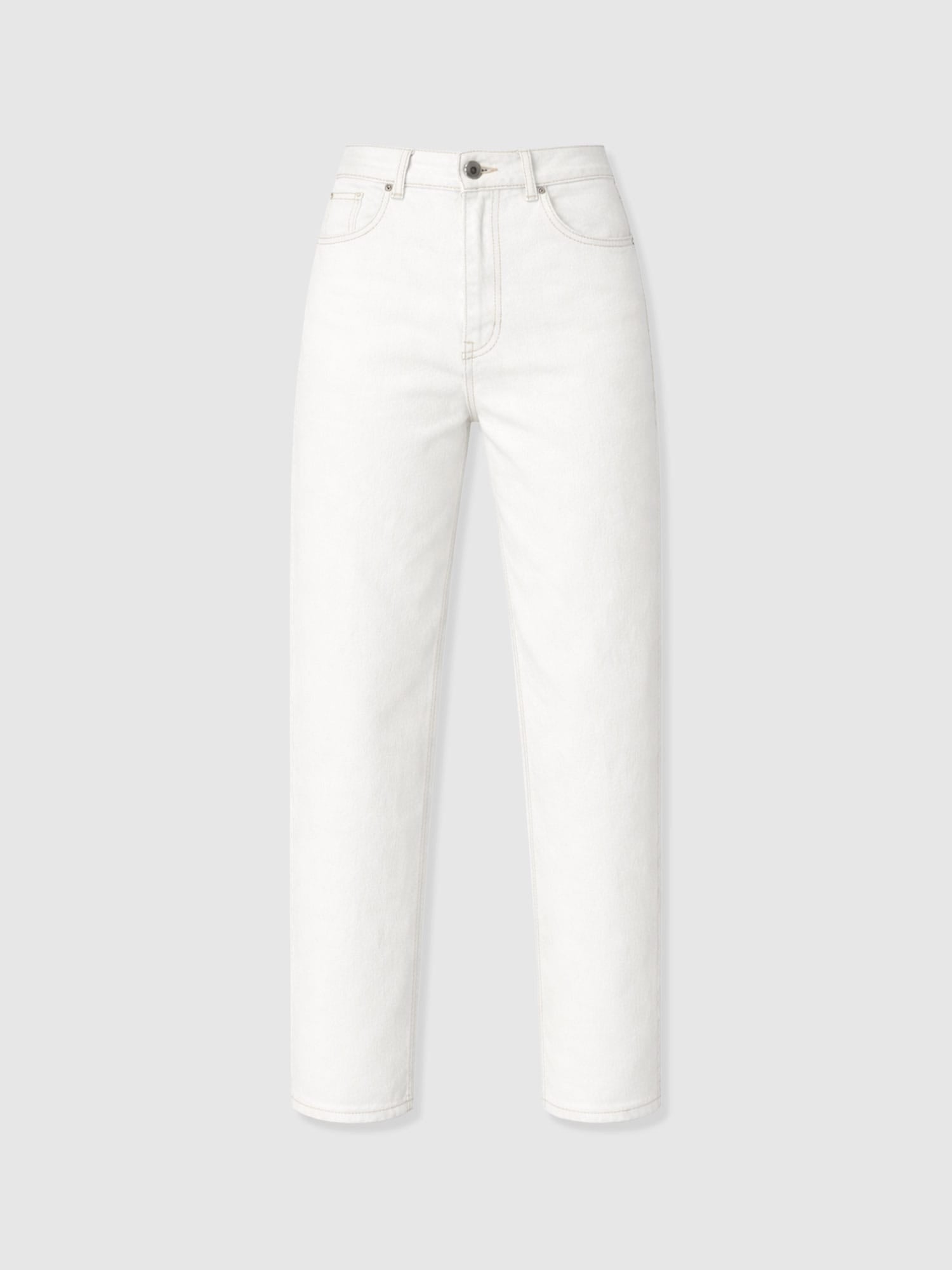
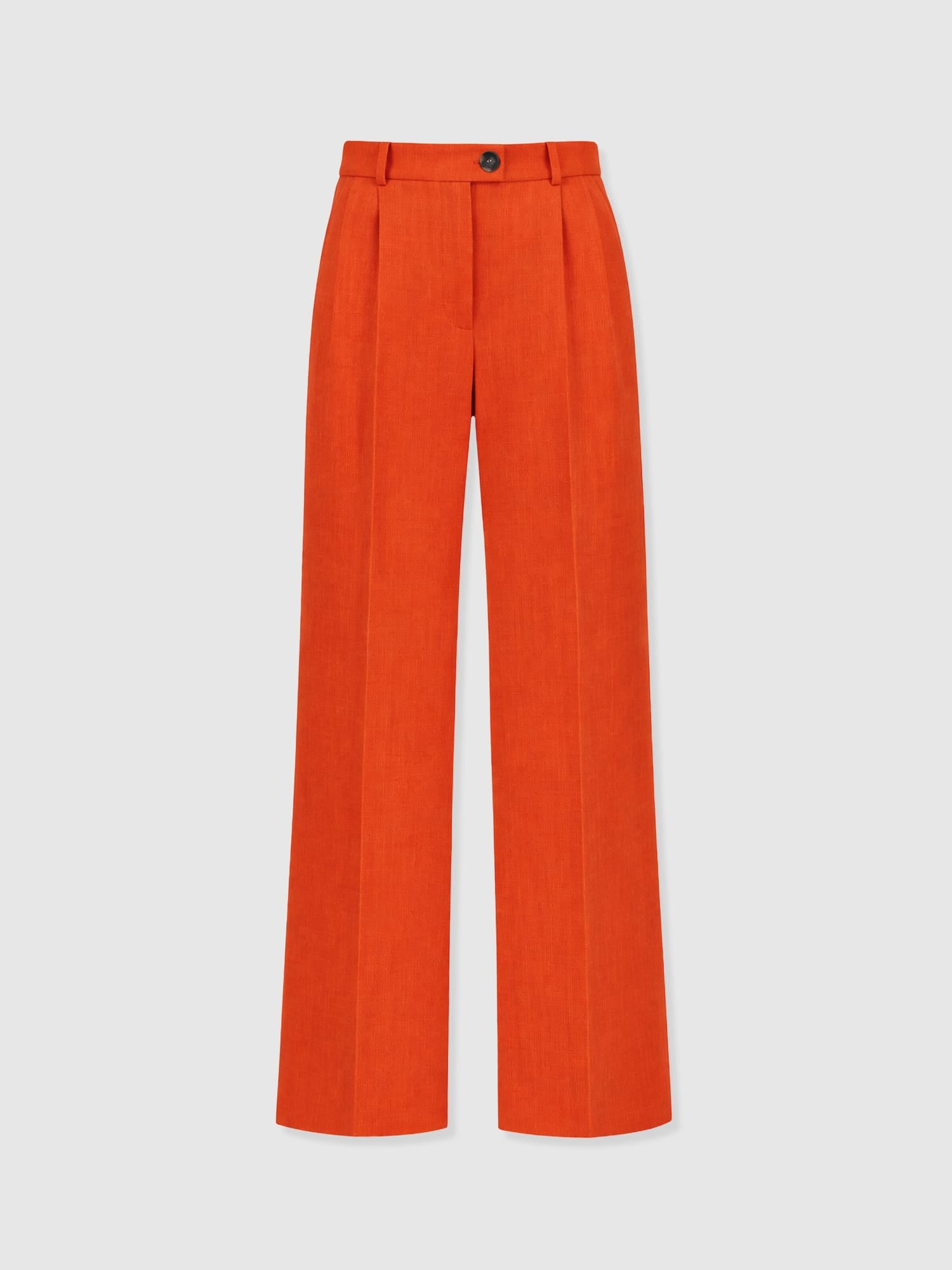
Simple white tanks, oversized shirts, slip dresses, tailored trousers and relaxed knitwear became wardrobe essentials rather than supporting pieces. The focus shifted away from heavily styled outfits towards clothing that looked effortless and natural.
This approach now dominates modern fashion. Across luxury brands and contemporary labels alike, wardrobes are increasingly built around versatile staples that can be worn repeatedly in different ways.
The rise of capsule wardrobes, quiet luxury and timeless dressing all connect directly back to the minimalist ideas established during the 1990s.
Minimalism And Modern Celebrity Style
The influence of 90s style can also be seen clearly through contemporary celebrity dressing. Many of today’s most referenced fashion figures continue drawing heavily from minimalist aesthetics established during the decade.
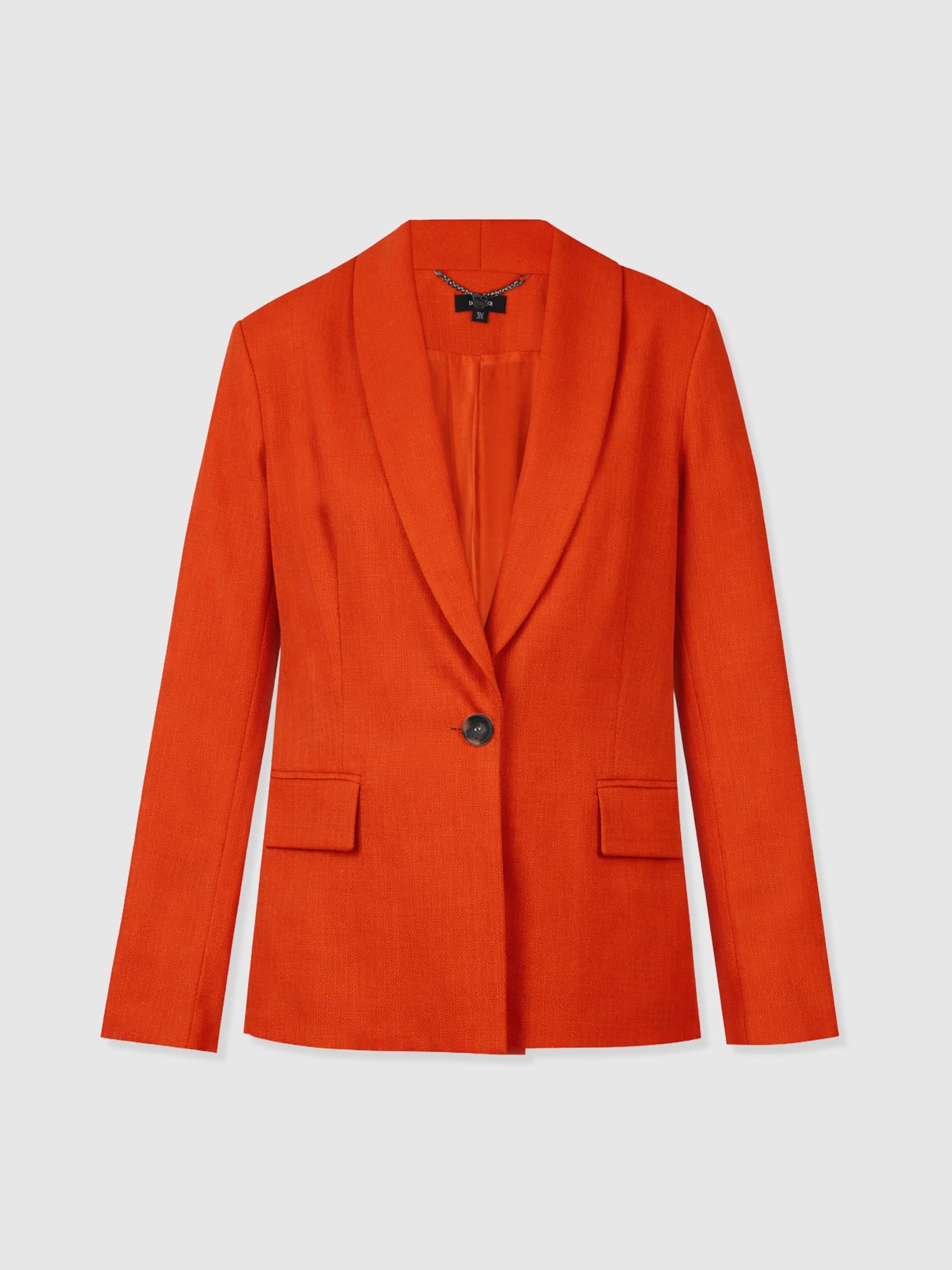
Simple slip dresses, oversized tailoring, monochrome dressing and understated accessories regularly appear across red carpets and street style imagery. The appeal lies in the balance between sophistication and effortlessness.
Figures such as Carolyn Bessette-Kennedy continue to serve as major references for minimalist fashion today. Her clean silhouettes, neutral colour palettes and understated styling remain endlessly influential across social media, Pinterest and fashion editorials.
The continued popularity of brands associated with minimal luxury reflects this wider cultural shift towards quieter, more timeless dressing.
Minimalist Culture Beyond Fashion
The impact of 90s minimalism extends far beyond clothing itself. The decade’s visual language continues to shape architecture, interior design, branding and digital aesthetics today.
Minimalist culture increasingly values calmness, simplicity and intentional living. Interiors built around neutral palettes, natural textures and uncluttered spaces mirror many of the same principles seen within minimalist fashion.
Even modern technology brands have embraced stripped-back design language rooted in minimalist aesthetics. Clean interfaces, monochrome branding and simplified product design all reflect the broader cultural influence of minimalism.
In many ways, the visual clarity associated with minimalist culture feels especially appealing in an age defined by constant digital stimulation and information overload.
Why Minimalism Feels Relevant Again
Part of the reason minimalist fashion continues to resonate is because it offers a sense of permanence in a fast-moving culture driven by trends and algorithms.
As social media accelerated fashion cycles over recent years, many consumers began moving away from short-lived trends in favour of more versatile and enduring wardrobes. Minimalist dressing naturally supports this shift because it focuses on longevity rather than novelty.
Quality has also become increasingly important. Consumers now place greater value on fabric, fit and craftsmanship instead of purely trend-led design. This emphasis aligns perfectly with the core principles of 90s minimalism fashion.
Minimalism also reflects changing lifestyles. Modern wardrobes increasingly need to adapt seamlessly between work, travel, evenings and everyday life. Clean, versatile silhouettes make this transition far easier.
The Return Of 90s Fashion Photography
The resurgence of 90s style influence is also deeply connected to imagery and visual culture. Fashion photography from the decade still feels incredibly contemporary today.
Photographers such as Peter Lindbergh, Herb Ritts and Steven Meisel helped define minimalist fashion imagery through monochrome portraits, natural lighting and stripped-back styling. Their work focused on emotion, character and authenticity rather than excessive retouching or spectacle.
Contemporary editorials continue referencing this visual language heavily, particularly as audiences increasingly seek authenticity and emotional connection within imagery.
The popularity of analogue photography, grainy film textures and natural beauty within modern campaigns further reflects the ongoing influence of 1990s aesthetics.
Why 90s Minimalism Endures
Ultimately, the lasting influence of 90s minimalism comes down to timelessness. The movement rejected unnecessary excess in favour of clarity, simplicity and confidence. Rather than demanding attention, minimalist fashion allowed individuality and personal style to speak more quietly.
That philosophy feels particularly powerful today. In a culture often defined by constant consumption and visual noise, minimalist fashion offers something calmer and more intentional.
From elevated basics and quiet luxury to architecture, photography and digital design, the influence of 90s minimalism continues shaping modern culture in countless ways. More than simply a nostalgic trend, it remains one of the most enduring and relevant creative movements of the modern era.