

Fashion’s Creative Director Crisis
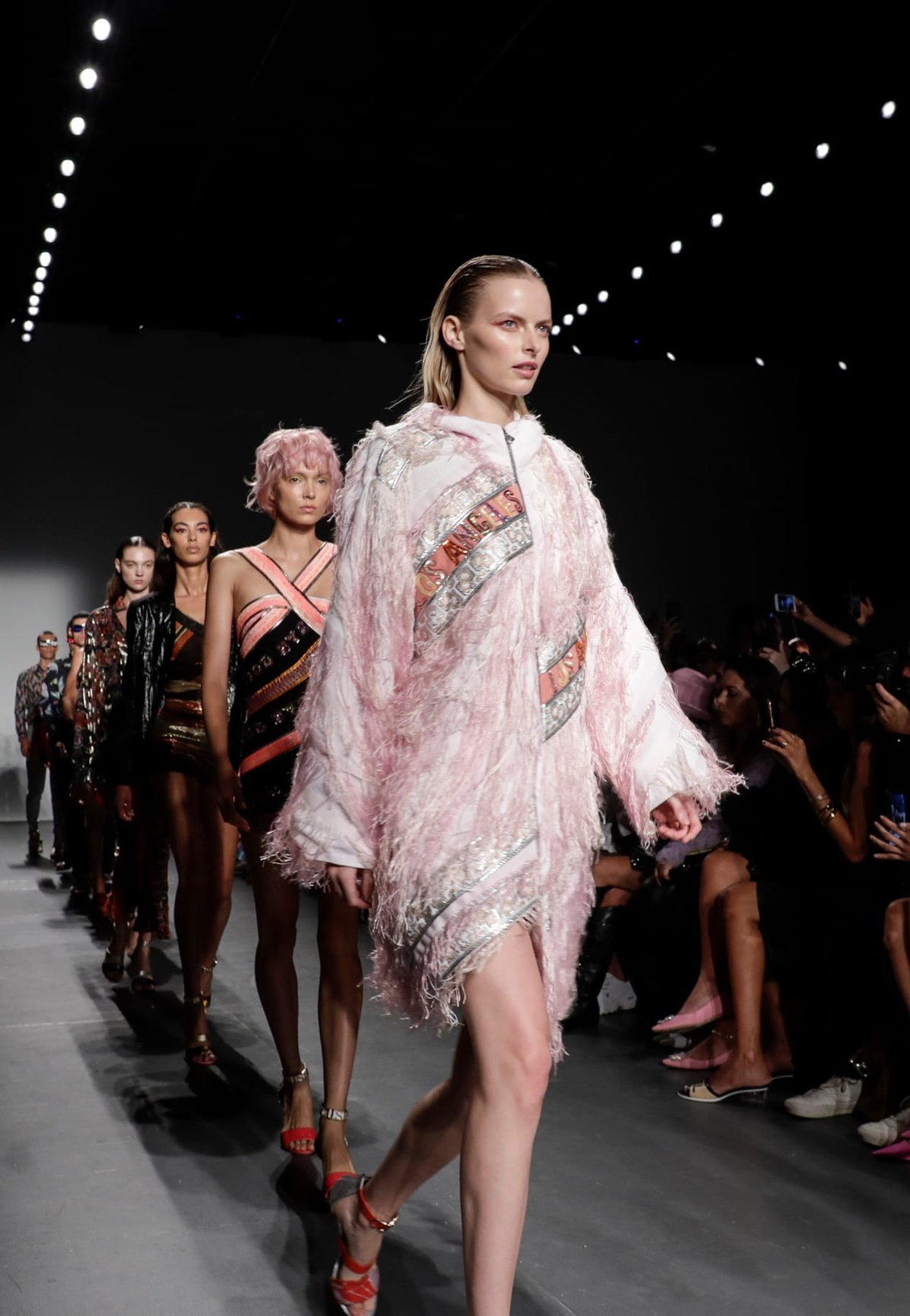
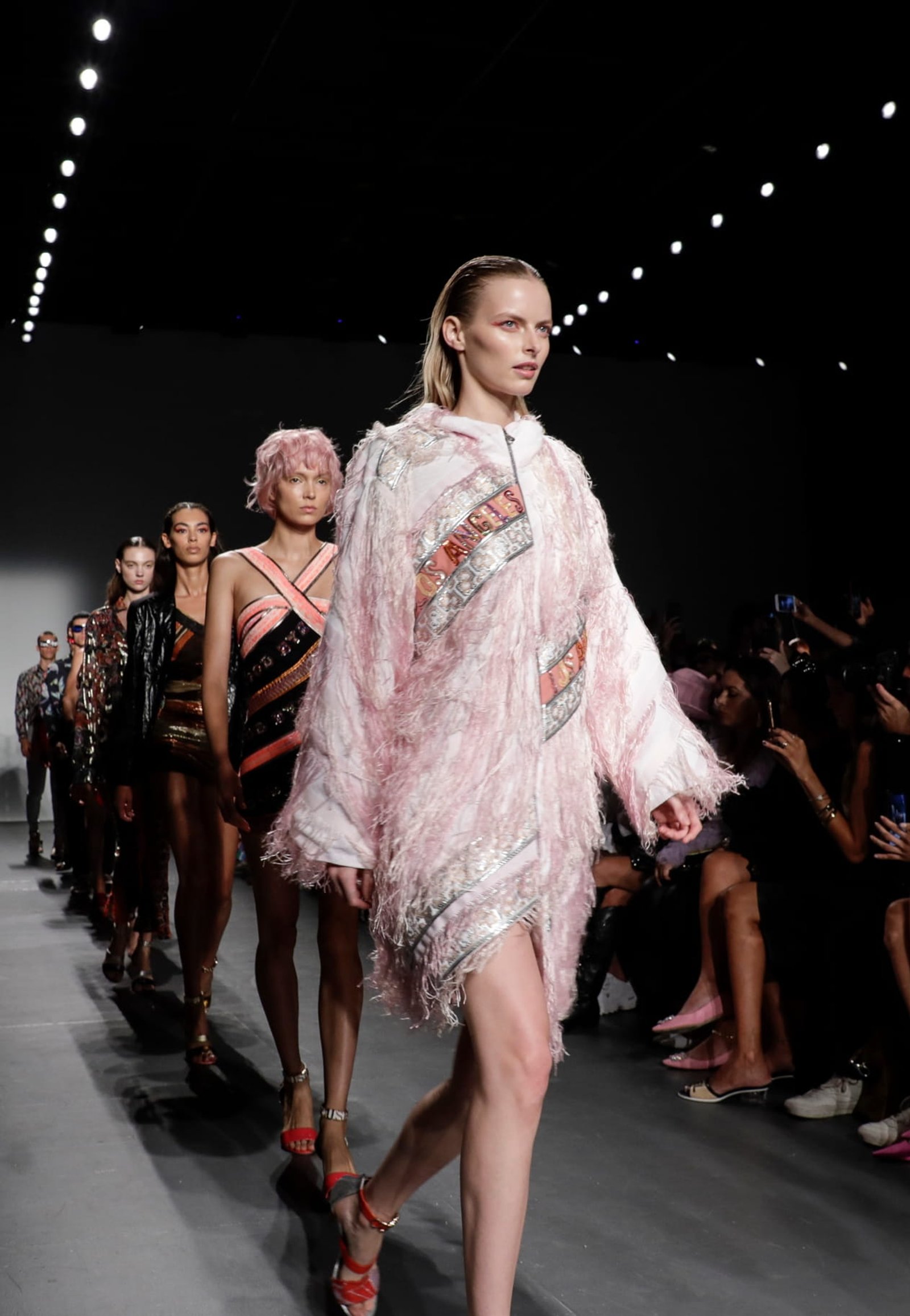
Fashion has always relied on creative directors as cultural figureheads. Beyond designing collections, they shape the visual identity, emotional tone and long-term relevance of a brand. The best creative directors define entire eras of fashion through silhouette, imagery, casting, music and storytelling. Their influence extends far beyond clothing itself into art, film, architecture and wider popular culture.
Yet over the past decade, fashion has entered a period of extraordinary instability at the very top of the industry. Major luxury houses are changing creative directors at increasingly rapid speeds. Designers move between brands constantly. Some leave after only a few seasons. Others face enormous public pressure before their first collections have even reached stores.
The pace has become relentless.
Creative directors are now expected to operate simultaneously as designers, cultural strategists, celebrity magnets, image-makers, content producers and commercial growth engines. The modern luxury industry demands constant novelty while also expecting consistent commercial performance. Increasingly, those expectations appear unsustainable.
Fashion’s creative director crisis is not simply about individual departures. It reflects deeper tensions within the entire structure of modern luxury fashion itself.
The End Of The Long Reign
Historically, many of fashion’s most influential creative directors remained at brands for decades.
Karl Lagerfeld spent more than 35 years at Chanel. Giorgio Armani built an entire world around his personal design philosophy. Phoebe Philo transformed Céline over a ten-year period that completely reshaped contemporary womenswear. Martin Margiela created one of fashion’s most influential visual languages through long-term experimentation and consistency.
These eras mattered because they allowed designers time to build coherent creative worlds.
Collections evolved gradually. Visual identities deepened over years rather than months. Audiences developed emotional relationships with brands because the creative direction remained stable and recognisable.
Today, that stability has largely disappeared.
Luxury houses increasingly operate on shorter timelines driven by quarterly financial expectations, social media cycles and global competition. Designers are expected to deliver immediate cultural impact almost instantly.
The result is an industry constantly chasing reinvention.
Fashion Became Content
One of the biggest reasons creative director pressure has intensified is because fashion itself now operates within the logic of modern media.
Luxury brands no longer produce only collections. They produce constant streams of content. Fashion shows are expected to become viral moments. Campaigns must dominate social media conversation. Celebrity dressing needs to generate online engagement within minutes.
Creative directors sit at the centre of this machine.
Every runway collection is now analysed in real time across Instagram, TikTok and fashion commentary platforms. Audiences expect immediate reactions and constant novelty. Even successful collections often disappear from conversation within days because the digital cycle moves so quickly.
This creates enormous pressure for designers to produce headline moments rather than long-term creative evolution.
Fashion increasingly rewards immediacy over patience.
The Impossible Job Description
The role of creative director has also expanded dramatically.
Previously, many designers focused primarily on collections and brand image. Today, creative directors oversee enormous cultural ecosystems involving menswear, womenswear, accessories, campaigns, celebrity relationships, fragrance launches, collaborations and digital strategy simultaneously.
Some designers are responsible for producing up to ten collections per year across multiple categories while travelling constantly between continents.
The workload is extraordinary.
At the same time, audiences expect each collection to feel conceptually fresh, visually distinctive and culturally relevant. Designers must reference history while predicting future trends. They are expected to satisfy loyal customers while also attracting younger audiences online.
Very few creative industries demand this level of simultaneous artistic and commercial output at such relentless speed.
Luxury Became Corporate
The transformation of luxury fashion into a highly ‘financialised’ global industry also plays a major role in the crisis.
Many major fashion houses are now owned by enormous luxury conglomerates responsible to shareholders and financial markets. Commercial growth expectations often shape creative decisions as heavily as artistic vision itself.
Creative directors increasingly operate inside structures where performance is measured not only through critical response, but through handbag sales, global expansion and quarterly revenue targets.
This changes the relationship between creativity and risk.
Designers are expected to innovate constantly while also protecting billion-dollar businesses. Experimental collections may generate editorial praise but still create internal pressure if commercial products underperform.
Fashion has always balanced art and commerce, but the scale of modern luxury has intensified that tension dramatically.
The Pressure Of Legacy
Many contemporary creative directors also inherit brands with enormous historical weight.
Taking over houses such as Chanel, Gucci, Dior or Louis Vuitton means inheriting decades of visual codes, iconic collections and emotionally invested audiences. Every creative decision immediately triggers comparisons with previous eras and legendary designers.
This pressure can become overwhelming.
Audiences increasingly expect designers to simultaneously preserve heritage while radically reinventing brands for modern relevance. If collections feel too different, they face backlash for abandoning identity. If they feel too familiar, critics accuse them of lacking innovation.
The balance is almost impossible.
Social media amplifies this tension further because reactions happen instantly and publicly. Collections are now judged not only by industry insiders, but by millions of consumers online within minutes of runway shows ending.
Why Burnout Feels Inevitable
Given these pressures, it is unsurprising that burnout has become increasingly visible within fashion leadership.
Creative work requires reflection, experimentation and emotional energy. Modern luxury fashion often allows very little space for any of those things. Designers move continuously from fittings and campaigns to runway production and international travel without meaningful pauses between collections.
Many creative directors now operate under conditions closer to permanent cultural performance than traditional design practice.
This pace affects creativity itself.
When fashion becomes purely reactive and speed-driven, there is less room for long-term creative development or conceptual depth. Collections risk becoming aesthetic responses to algorithms and online conversation rather than genuine creative evolution.
The industry increasingly consumes creativity faster than it can replenish it.
Audiences Are Also Changing
Consumers themselves are beginning to respond differently to constant fashion reinvention.
Increasingly, audiences value authenticity, consistency and emotional connection over endless novelty. The success of quieter brands such as The Row reflects a desire for stability and long-term identity rather than dramatic seasonal reinvention.
People increasingly want brands to feel coherent rather than constantly repositioning themselves.
This shift may eventually challenge the current pace of luxury fashion itself. Constant creative turnover risks weakening emotional attachment because brand identities become unstable and fragmented over time.
Fashion works best when audiences believe in a creative vision deeply enough to follow it over years rather than seasons.
What Happens Next?
The industry now faces important questions about sustainability, not only environmentally but creatively.
Can fashion continue operating at this speed without exhausting its most talented designers? Can meaningful creativity survive within systems demanding constant digital relevance and commercial growth simultaneously?
Some brands may begin slowing down slightly. Others may move towards more collaborative creative structures rather than relying entirely on singular visionary figures. Smaller independent brands may also become increasingly attractive because they allow greater creative freedom and consistency.
The current model feels increasingly difficult to sustain indefinitely.
Creativity Needs Time
Ultimately, fashion’s creative director crisis reveals something deeper about modern culture itself.
Everything now moves faster. Trends emerge and disappear instantly. Social media rewards constant output over reflection. Creativity becomes content rather than process.
Yet the most influential fashion movements in history rarely emerged through speed alone. They developed through patience, experimentation and long-term creative identity. Fashion still needs visionaries. But vision itself requires time, stability and emotional space to evolve properly. And increasingly, the industry seems to be forgetting that.