

Fashion’s New Creative Renaissance
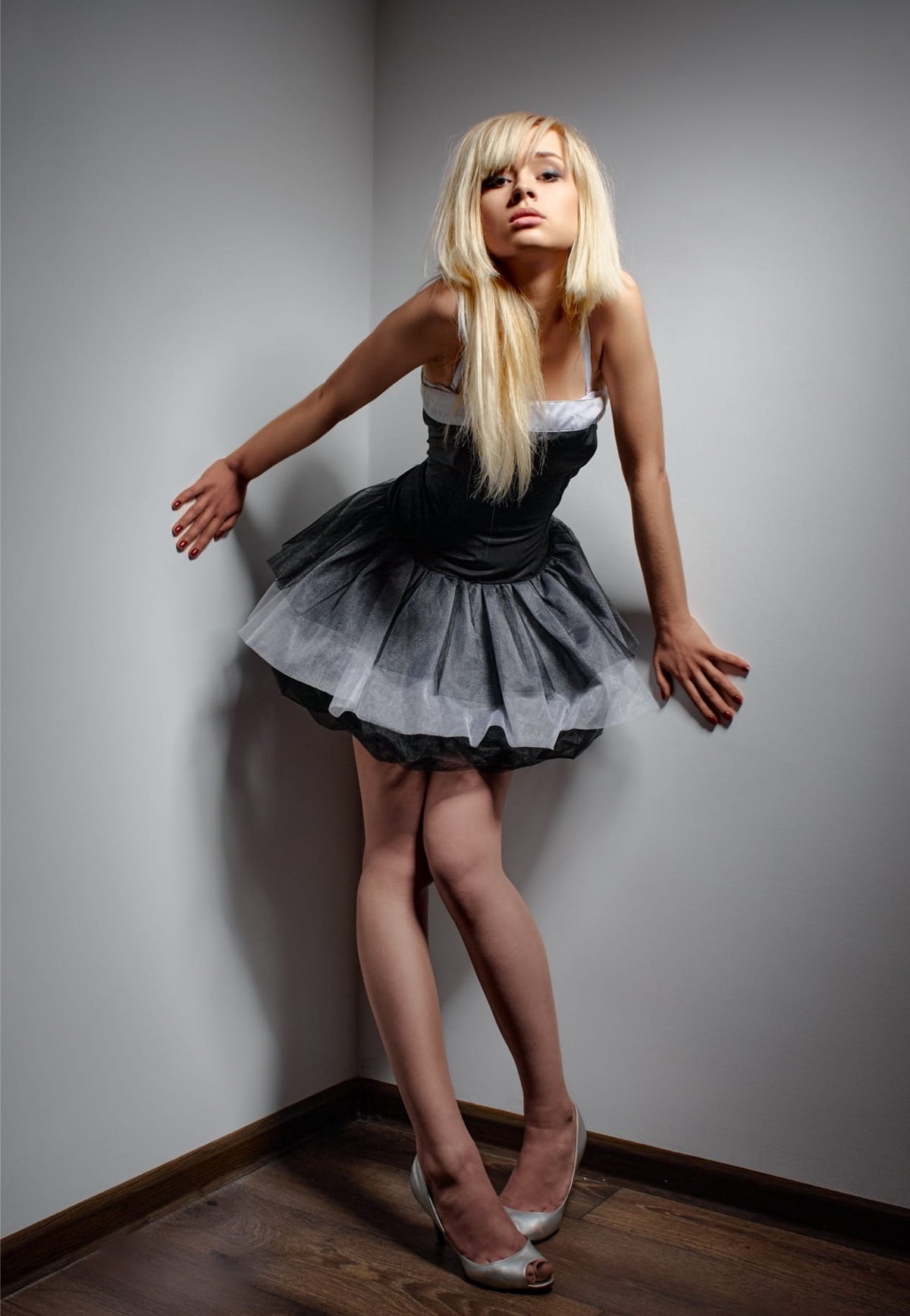
Fashion is no longer existing in isolation. For much of the past decade, the industry became increasingly driven by speed, digital visibility and commercial optimisation. Collections moved rapidly through social media cycles while campaigns often prioritised immediate online impact over long-term storytelling. Fashion still generated trends, but at times it felt disconnected from the wider creative world that once shaped it so deeply.
Now, something different is happening. Across photography, cinema, theatre, music, publishing and contemporary art, fashion is reconnecting with culture in richer and more ambitious ways. Campaigns increasingly feel cinematic. Fashion films are becoming more emotionally layered. Designers collaborate with artists, directors and musicians not simply for visibility, but to create complete cultural worlds around collections.
The mood feels more collaborative, more intellectual and more creatively alive. Fashion is entering a new creative renaissance. Importantly, this shift reflects something deeper than aesthetics alone. Audiences are becoming increasingly interested in atmosphere, emotion and storytelling rather than simple product consumption. Consumers want meaning, identity and cultural connection alongside clothing itself.
As a result, the boundaries between fashion and other creative industries are dissolving once again.
Fashion Was Always Connected To Culture
Fashion has historically thrived when connected to wider artistic movements.
The most influential periods in fashion history rarely emerged from clothing alone. They developed through deep relationships with music, photography, film, literature and art. Yves Saint Laurent referenced Mondrian paintings. Vivienne Westwood emerged directly from London punk culture. Helmut Lang transformed fashion photography alongside contemporary art and architecture influences.
Fashion once existed at the centre of broader cultural energy. Magazines played an enormous role in this ecosystem. Publications such as The Face, i-D and Interview blended fashion with music, nightlife, photography and underground culture in ways that shaped entire generations of style. Designers, musicians, filmmakers and artists moved through overlapping creative scenes rather than separate industries.
That interconnectedness created originality because fashion absorbed ideas from everywhere.
The Era Of Isolation
Over time, however, fashion became increasingly self-referential.
Social media accelerated trend cycles dramatically, encouraging brands to focus heavily on immediate digital visibility and commercial performance. Campaigns often became optimised for screens rather than storytelling. Fashion imagery turned cleaner, faster and more algorithmically effective.
In many ways, fashion started referencing itself repeatedly rather than wider culture.
The rise of influencer culture also shifted attention away from collaborative creative ecosystems towards individual visibility and personal branding. Campaigns became product-focused rather than emotionally layered. Fashion moved faster, but often felt culturally flatter. Creativity still existed, but it became compressed into highly controlled digital formats. Audiences eventually began craving something deeper.
Cinema Returned To Fashion
One of the clearest signs of fashion’s creative renaissance is the growing influence of cinema.
Campaigns increasingly feel cinematic rather than purely photographic. Lighting, narrative pacing, music and atmosphere are becoming central again. Fashion films now resemble short art-house productions more than traditional advertisements.
Directors, cinematographers and production designers increasingly collaborate with fashion brands to create emotional worlds around collections rather than simply showcasing products.
This shift reflects broader consumer behaviour too. Audiences want immersion rather than pure consumption. They respond emotionally to storytelling because it creates memory and atmosphere.
Some of the strongest contemporary campaigns feel closer to film stills than ecommerce imagery. Grain, movement, texture and narrative ambiguity are returning because perfection alone no longer feels emotionally satisfying.
Fashion wants to make people feel something again.
Photography Feels More Human
Fashion photography itself is also changing significantly.
For years, highly polished minimalism dominated luxury imagery. Campaigns often felt emotionally distant and technically perfect. Increasingly, however, photography is becoming warmer, more textured and more instinctive.
Younger photographers are embracing grain, natural lighting, movement and imperfection. Images feel cinematic and emotionally intimate rather than heavily controlled. Documentary influences are returning strongly alongside references from independent cinema and portrait photography.
This creates fashion imagery that feels more human.
Importantly, the change reflects wider cultural fatigue with overly polished digital aesthetics. Audiences increasingly respond to atmosphere and emotional authenticity rather than sterile perfection.
Photography once again feels like storytelling rather than simply marketing.
Theatre And Performance Are Influencing Fashion
Theatre and live performance are also shaping fashion more deeply again.
Runway shows increasingly function as immersive experiences rather than standard presentations. Music, choreography, lighting and set design now play essential roles in shaping emotional atmosphere around collections.
Some presentations feel closer to performance art or stage production than traditional catwalks.
This theatricality reflects a growing understanding that fashion is experiential as much as visual. Audiences want emotional immersion rather than simple product display. Designers increasingly collaborate with stage designers, composers and performance artists to create complete sensory environments.
The influence of theatre also introduces drama and narrative back into fashion itself. Clothing feels more expressive when placed inside broader emotional worlds rather than isolated commercial spaces.
Art And Fashion Are Reconnecting
Contemporary art and fashion have always overlapped, but their relationship now feels particularly active again.
Designers increasingly collaborate with artists not simply for branding purposes, but through genuine creative dialogue. Exhibitions, installations and multidisciplinary projects are becoming central parts of fashion culture once again.
Art galleries now regularly host fashion-related projects while fashion brands support contemporary artists through commissions, publishing and collaborative exhibitions.
This relationship matters because art introduces conceptual depth into fashion conversations. Fashion becomes more intellectually expansive when connected to sculpture, painting, architecture and visual experimentation.
At the same time, contemporary artists increasingly engage with fashion because clothing itself has become one of the most powerful forms of visual culture globally.
The industries are feeding creatively into one another again.
Independent Magazines Are Thriving
Another important part of this renaissance is the return of independent publishing.
Despite predictions about the death of print, independent magazines focused on fashion, photography and culture are experiencing renewed creative energy. Publications increasingly prioritise slower storytelling, thoughtful interviews and visually ambitious editorial projects rather than trend reporting alone.
These magazines often blend fashion with architecture, music, cinema and literature in ways reminiscent of earlier cultural publishing eras.
Importantly, they create space for experimentation and nuance that fast-moving digital platforms rarely allow.
Consumers increasingly value depth and atmosphere because they offer relief from endless algorithmic content. Fashion becomes richer when surrounded by conversation, criticism and wider cultural reference points.
Creative Collaboration Feels More Genuine
One reason this current moment feels exciting is because collaborations increasingly appear driven by genuine creative interest rather than purely commercial strategy.
Photographers direct films. Musicians collaborate on runway soundtracks. Theatre designers build sets. Artists shape campaign environments. Fashion creatives move fluidly between disciplines in ways that feel instinctive rather than forced.
This cross-pollination creates stronger and more original work because ideas emerge from multiple perspectives simultaneously.
The best fashion has always absorbed influence from wider culture. What feels different now is that collaboration itself has become central to the creative process again rather than existing as surface-level marketing.
Cities Are Fueling Creativity Again
Physical creative communities are also becoming more important.
London, Paris, New York and Copenhagen increasingly feel energised by overlapping scenes connecting fashion, music, nightlife, publishing and art. Younger creatives move between disciplines naturally, often working simultaneously across photography, styling, filmmaking and creative direction.
This creates richer cultural ecosystems. Fashion thrives when connected to real spaces, conversations and communities rather than purely digital environments. Some of the most exciting contemporary brands succeed because they build genuine cultural worlds around themselves rooted in physical creative life.
The return of nightlife, galleries and independent cultural spaces post-pandemic has accelerated this energy further.
Audiences Want More Than Products
Perhaps the biggest reason fashion’s creative renaissance is happening now is because consumers increasingly expect more than products alone.
People want emotional identity and cultural connection from brands. Clothing itself remains important, but audiences also respond to atmosphere, storytelling and creative world-building.
This shift reflects broader changes in luxury consumption. Consumers increasingly value meaning, experience and emotional resonance over overt status display.
Brands that understand this create stronger cultural loyalty because they offer audiences something deeper than trend participation.
Fashion is becoming more immersive again.
Technology Also Played A Role
Ironically, digital exhaustion itself helped create this renaissance.
After years of constant content consumption, audiences increasingly crave slower and more emotionally layered creative experiences. Fashion films, printed magazines, exhibitions and cinematic campaigns feel valuable precisely because they contrast with the speed of social media feeds.
Consumers want atmosphere again.
Technology accelerated fashion dramatically, but it also created longing for depth, texture and emotional storytelling. The current creative renaissance reflects that cultural desire for richer experiences.
Why This Moment Feels Important
Fashion’s new creative renaissance matters because it suggests the industry is rediscovering imagination.
For a period, fashion often felt trapped between commercial pressure and algorithmic optimisation. Creativity became compressed into highly visible but emotionally flat digital formats.
Now the mood feels more expansive.
Photography, cinema, theatre, music and art are reconnecting with fashion in ways that create emotional depth and cultural energy. Consumers are responding because they want creativity that feels human rather than optimised.
Importantly, this shift also creates space for originality again. The more fashion interacts with wider culture, the more unpredictable and exciting it becomes.
Fashion Feels Alive Again
Ultimately, fashion feels more compelling when connected to the wider creative world rather than isolated from it.
The industry works best when it absorbs influence from music, architecture, film, literature and art because those intersections create tension, imagination and originality. The strongest campaigns, collections and creative projects rarely emerge from fashion alone.
They emerge from collaboration.
Right now, that collaborative energy feels stronger than it has in years. Fashion is becoming more cinematic, emotional and culturally layered again. Designers are building worlds rather than simply products. Photography feels atmospheric. Theatre and performance influence presentation. Art shapes visual language.
Fashion feels curious again. And curiosity has always been where the most exciting creative movements begin.