

how
Music Festivals Influence Fashion Trends
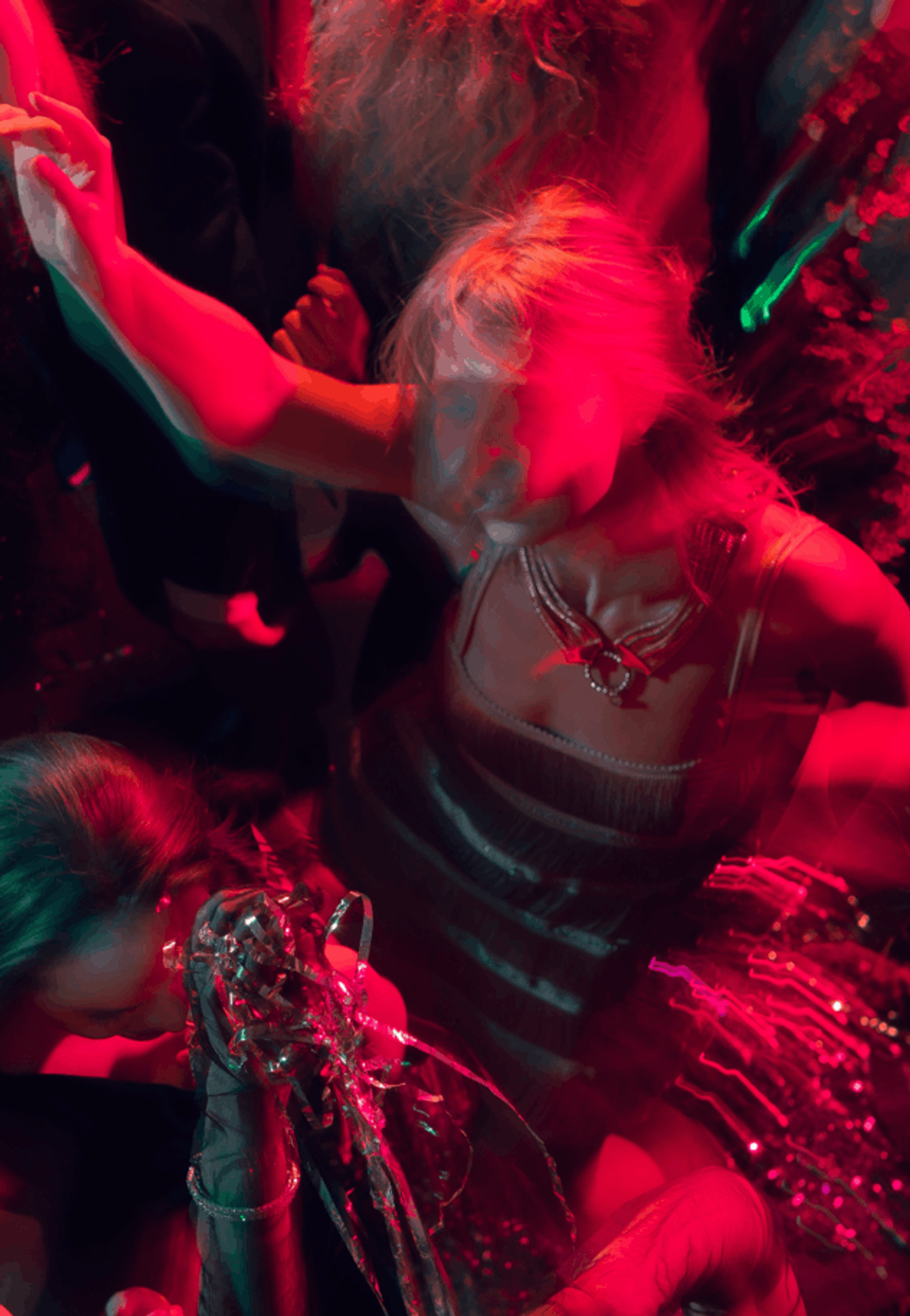
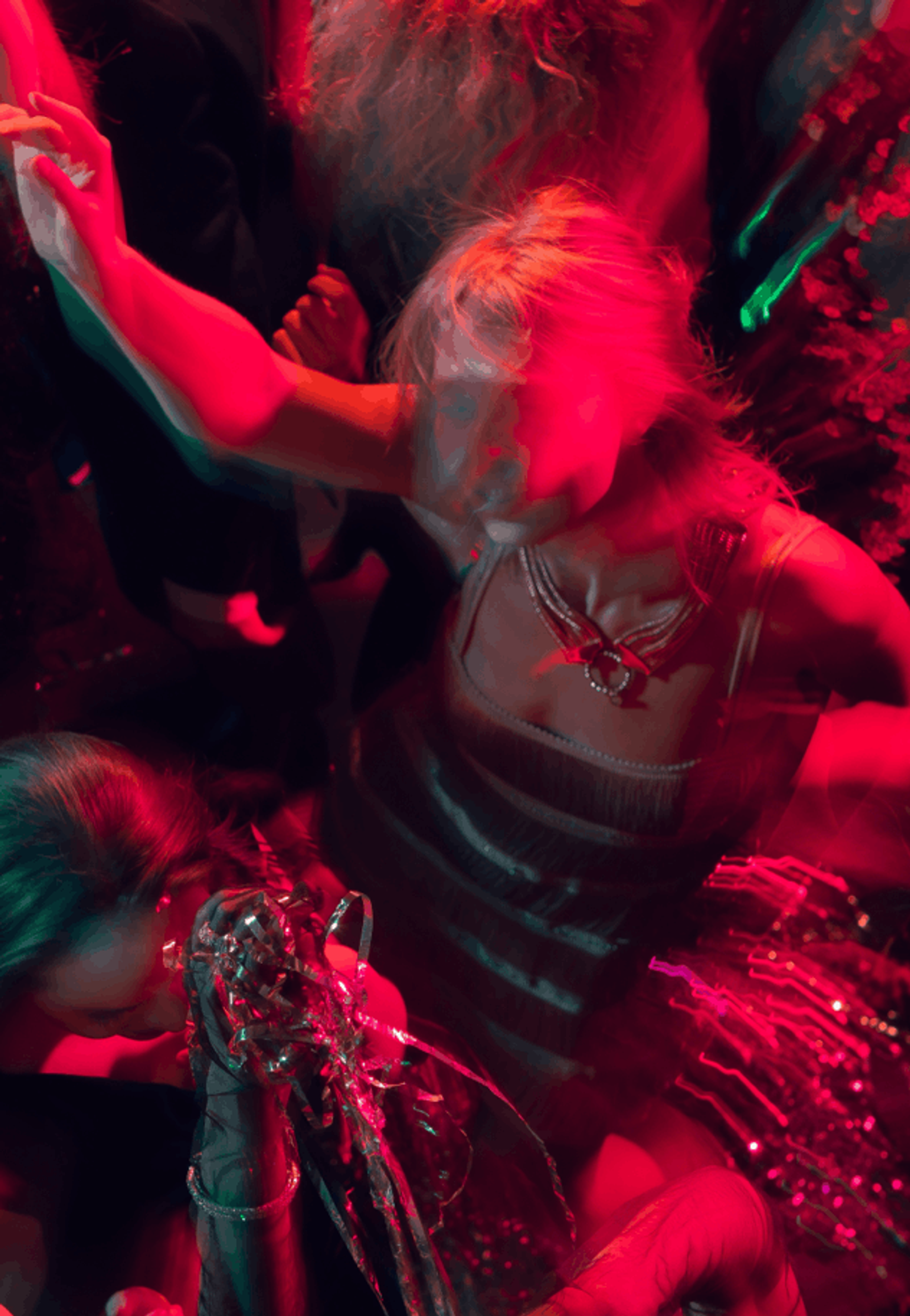
Music festivals have always shaped fashion, but their influence feels stronger now than ever before.
Long before social media accelerated trends globally, festivals acted as cultural spaces where music, art and personal style naturally collided. What people wore to festivals often reflected wider shifts happening within youth culture, nightlife and creative communities. From the bohemian style associated with Woodstock in the 1970s to the indie sleaze era of early Glastonbury, festival dressing has consistently influenced mainstream fashion afterwards.
Today, festival fashion trends move far beyond the festival fields themselves.
Social media, celebrity culture and digital photography transformed music festivals into some of the most visible fashion moments of the year. Outfits are analysed instantly across platforms, while brands increasingly design entire summer collections inspired by festival aesthetics, movement and atmosphere.
Importantly, festivals influence fashion because they encourage experimentation. People dress differently at festivals than they do in everyday life. Clothing becomes more expressive, emotional and instinctive. Style feels freer.
That freedom often shapes wider fashion culture afterwards.
Festivals Create New Style Movements
Many major fashion trends originally emerged through music culture and festival environments before entering mainstream fashion.
Bohemian dressing is one of the clearest examples. Flowing dresses, crochet fabrics, suede jackets and layered jewellery became strongly associated with festivals because they reflected the relaxed and artistic atmosphere surrounding live music culture. Over time, these pieces evolved into recurring summer fashion staples far beyond festivals themselves.
The same happened with indie sleaze aesthetics during the 2000s. Vintage leather jackets, oversized sunglasses, metallic textures and worn denim became heavily connected to music festivals and nightlife before influencing global street style and fashion editorials.
Festivals work as creative testing grounds for style.
People experiment more freely because festivals exist outside everyday routines and expectations. That experimentation often introduces new silhouettes, accessories and styling ideas into wider fashion culture afterwards.
Music And Fashion Are Deeply Connected
Fashion and music culture have always influenced one another because both industries shape identity and emotion simultaneously.
Musicians often become style references long before trends fully enter mainstream retail. Festival environments amplify this relationship because artists and audiences exist inside the same visual world. Fans absorb styling ideas directly through live performance, photography and social media coverage.
Over time, these aesthetics spread globally.
Contemporary festival fashion trends now move rapidly between music events, fashion campaigns and digital culture. A styling detail seen at Coachella or Glastonbury can influence collections, editorials and ecommerce trends almost immediately afterwards.
This connection between performance and fashion remains central to why festivals continue shaping contemporary style.
The Rise Of Bohemian Style
Bohemian style remains one of the most enduring influences to emerge from festival culture.
Originally connected to artistic communities and countercultural movements, bohemian dressing became deeply linked to festivals because it reflected freedom, creativity and individuality. Loose silhouettes, embroidery, vintage fabrics and layered accessories all communicated a relaxed and expressive attitude towards dressing.
Fashion continues revisiting bohemian style because it feels emotionally connected to summer, travel and music culture.
Modern versions of bohemian dressing often feel more refined than earlier festival aesthetics. Soft tailoring, elevated crochet, premium suede and relaxed dresses reinterpret classic festival styling through a contemporary lens.
At Saint and Sofia, elements of this softer bohemian influence appear through flowing dresses, textured fabrics and relaxed silhouettes designed for modern city and summer dressing rather than purely festival environments.
Festivals Influence Accessories Most Strongly
Accessories often reflect festival influence particularly quickly.
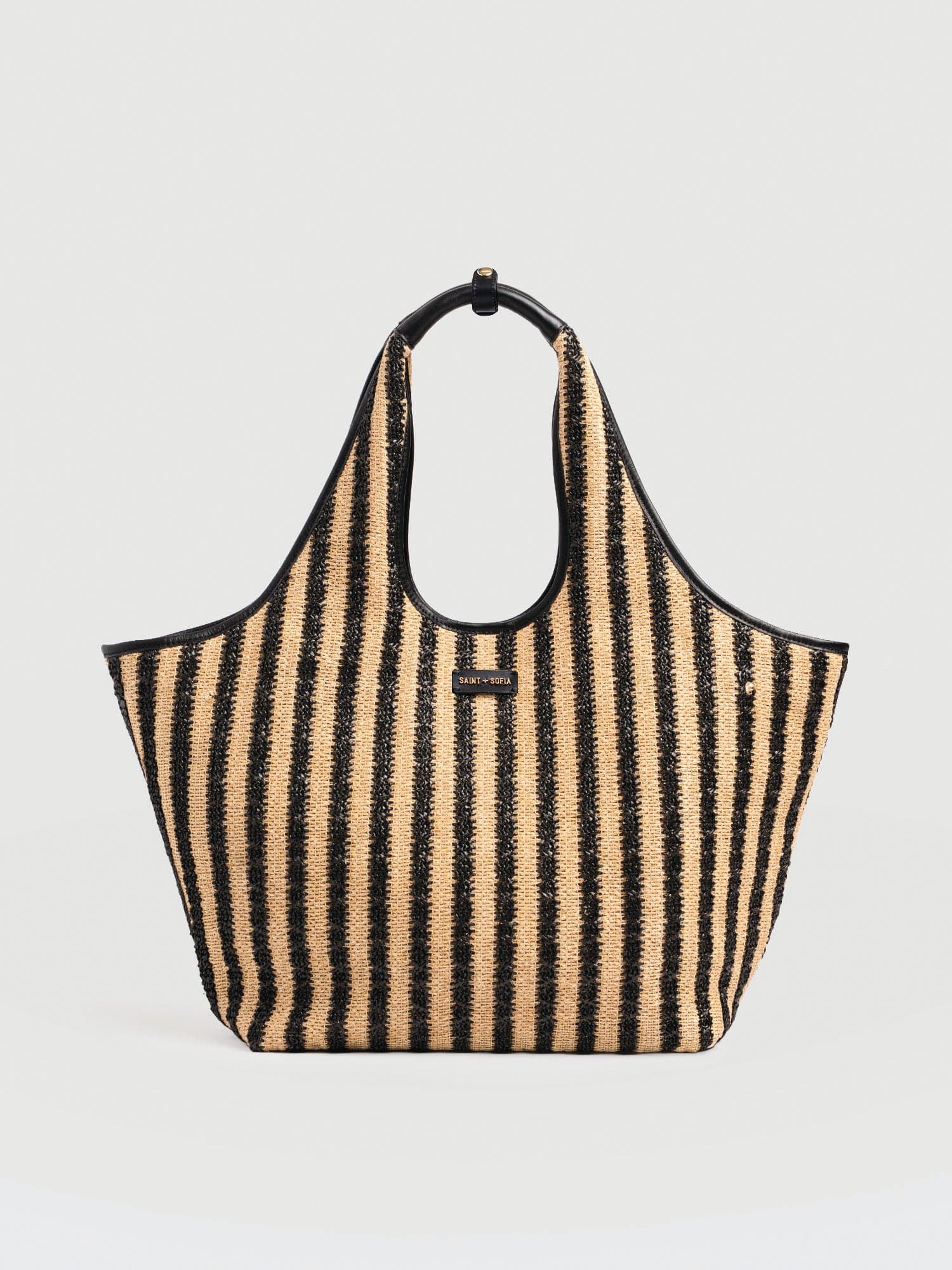
Layered jewellery, oversized sunglasses, woven bags, cowboy boots and statement belts frequently move from festival dressing into mainstream summer fashion within months. Accessories work especially well because they allow consumers to adopt elements of festival styling without fully changing their wardrobes.
This creates longevity for festival-inspired fashion trends.
Even women who never attend festivals may still incorporate subtle references into everyday dressing through jewellery layering, suede textures or relaxed silhouettes inspired by music culture.
Festival style often succeeds because it feels emotionally expressive rather than overly polished.
Social Media Changed Festival Fashion
The relationship between festivals and fashion intensified dramatically through social media.
Previously, festival style spread gradually through magazines and photography. Today, every major festival generates enormous amounts of visual content instantly shared globally. Outfits become cultural moments in real time.
This visibility transformed festivals into major fashion marketing platforms.
Luxury brands, beauty companies and independent designers increasingly collaborate with musicians, creators and stylists around festival season because these events now shape global trend conversations rapidly.
Importantly, audiences increasingly engage with festivals visually even if they never physically attend them. Festival fashion became aspirational lifestyle imagery as much as real-life dressing.
Festivals Reflect Cultural Mood
Festival fashion trends also reveal wider cultural shifts happening within fashion itself.
During periods of optimism, festival style often becomes colourful, maximal and expressive. During quieter cultural moments, festival fashion moves towards softer textures, vintage influences and more relaxed silhouettes.
Current festival fashion reflects the growing popularity of emotional dressing and individuality.
Rather than highly coordinated outfits designed purely for photographs, contemporary festival style increasingly feels more instinctive and personal. Vintage pieces, layered jewellery, relaxed tailoring and softer bohemian influences dominate because they feel emotionally connected rather than overly performative.
This mirrors wider shifts happening across fashion generally.
Why Festival Fashion Still Matters
Some critics dismiss festival fashion as temporary trend culture, but its influence remains significant because festivals operate as cultural spaces where creativity feels heightened.
Fashion behaves differently in environments built around music, freedom and emotion. People take more risks stylistically because festivals create temporary worlds separate from ordinary routines.
That atmosphere generates originality.
The most influential fashion movements often emerge from subcultures, nightlife and music scenes before entering mainstream retail. Festivals remain one of the few places where those cultural intersections still happen visibly and collectively.
The Future Of Festival Fashion
Festival fashion will likely continue evolving alongside wider changes happening within fashion and music culture.
Sustainability conversations are already encouraging more vintage dressing and repeated styling rather than single-use festival outfits. Consumers increasingly want festival wardrobes that feel wearable beyond one weekend event.
This shift towards versatility reflects broader fashion consumer behaviour changes happening everywhere.
At the same time, festivals themselves remain deeply influential because they represent freedom, creativity and self-expression in ways modern culture increasingly values.
Ultimately, music festivals influence fashion because they create emotional experiences where style becomes part of atmosphere and identity simultaneously.
Fashion always feels most exciting when connected to music, movement and real cultural energy. And festivals continue offering exactly that.