


how to
Care For Knitwear

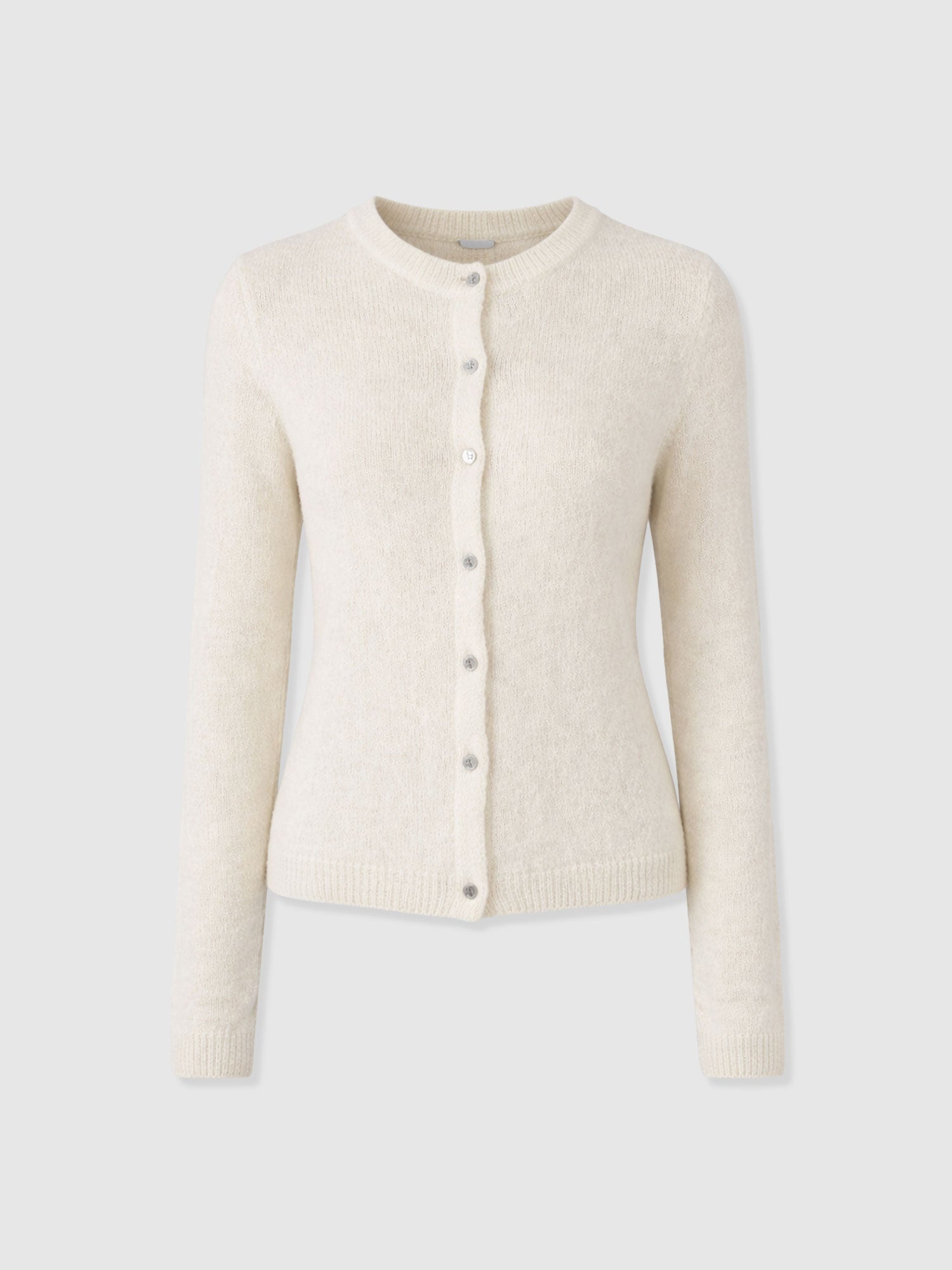
Everyone has that one knitwear piece they return to year after year. Maybe it’s a perfectly oversized wool jumper, a soft cashmere sweater or the cosy cardigan you reach for every autumn morning. The best knitwear quickly becomes part of everyday life, which is exactly why learning how to care for knitwear properly is so important.
Without the right care, even the most beautiful knits can begin to lose their softness, shape and finish over time. Pilling, stretching, fading and shrinkage are often caused not by wear itself, but by incorrect washing and storage methods.
At Saint and Sofia, we believe great knitwear should last season after season. That’s why our knitwear collections are designed in timeless silhouettes and handcrafted using carefully selected fibres including wool, organic cotton and cashmere blends chosen for their softness, durability and comfort.
The secret to keeping knitwear looking its best comes down to two things: investing in quality and understanding how to care for it correctly.
Why Quality Knitwear Matters
The foundation of long-lasting knitwear always begins with the quality of the fibres themselves. Well-made knitwear not only feels softer and more luxurious against the skin but also performs better over time when cared for properly.
High-quality wool, cotton and cashmere fibres tend to maintain their shape more effectively, drape more beautifully across the body and resist excessive wear compared to lower-grade materials.
At Saint and Sofia, our knitwear is designed to feel timeless rather than trend-led. Creating versatile silhouettes that remain wearable year after year naturally supports a more considered approach to fashion while also helping reduce unnecessary waste.
When knitwear is thoughtfully designed and properly cared for, it becomes part of your wardrobe for far longer.
The Benefits of High-Quality Knitwear
One of the biggest differences you notice with premium knitwear is the way it feels and moves. Softer fibres create a smoother finish against the skin while maintaining warmth and breathability throughout the day.
Higher-quality knitwear also tends to retain colour and texture more effectively after washing. Rather than becoming rough, misshapen or dull, the fibres maintain their softness and structure when cared for correctly.
Another advantage is longevity of fit. Better-quality knitwear holds its silhouette for longer, helping sweaters, cardigans and knitted dresses continue to look flattering season after season.
However, even the finest fibres still require thoughtful care to maintain their appearance and feel over time.
How To Care For Wool Knitwear
Wool is naturally durable, temperature regulating and resistant to odours, which means it often needs less washing than people think.
One of the most important rules when learning how to care for knitwear made from wool is to avoid overwashing. Frequent washing can gradually weaken fibres and reduce softness, so it’s best to wash wool only when genuinely necessary.
For smaller refreshes between washes, airing knitwear outdoors or using a fabric mist can help remove odours while keeping garments fresh.
When washing wool knitwear, hand washing is usually the safest method. Use lukewarm water alongside a gentle detergent specifically designed for wool and cashmere fibres. Harsh detergents can strip the fibres of their natural softness and damage the structure of the knit.
If machine washing is necessary, always use a delicate wool cycle with cold water and low spin settings.
After washing, avoid wringing or twisting the knitwear, as this can distort the shape permanently. Instead, gently press excess water out using a clean towel before laying the garment flat to dry naturally.
How To Care For Cotton Knitwear
Cotton knitwear is generally easier to maintain than wool or cashmere, but proper care is still essential to preserve shape and softness.
Wash cotton knitwear at cooler temperatures — ideally 30°C or lower — using gentle detergents that won’t break down the fibres over time. Overwashing can cause cotton knits to stretch or lose structure, so it’s still best to clean them only when needed.
One of the biggest mistakes people make when caring for cotton knitwear is hanging it in wardrobes. Hanging heavier knits can gradually stretch the shoulders and distort the overall shape of the garment.
Instead, fold cotton knitwear neatly and store it flat whenever possible.
If cotton pieces begin to look slightly creased or tired between wears, steaming or using a fabric refresh spray can help revive the fibres without requiring a full wash.
How To Care For Cashmere Knitwear
Cashmere is one of the most luxurious knitwear fibres, but it also requires the most delicate handling.
The most common mistake when washing cashmere is exposing it to excessive heat or aggressive spin cycles, which can quickly shrink fibres and ruin the garment’s softness.
Hand washing is always the safest method when caring for cashmere knitwear. Use lukewarm water with a specialist wool and cashmere detergent, allowing the knit to soak gently before rinsing carefully.
Never wring cashmere after washing. Instead, lightly press out excess moisture using a towel before laying the garment flat to dry naturally away from direct heat or sunlight.
Cashmere also benefits from careful storage. Folding knitwear rather than hanging helps preserve the shape, while breathable storage bags can help protect delicate fibres during warmer months.
How to Keep Knitwear Looking Its Best
Ultimately, learning how to care for knitwear properly is about slowing down and treating garments more thoughtfully. Washing less frequently, using gentler detergents and storing knitwear correctly can dramatically extend the life of your favourite pieces.
High-quality knitwear is designed to age beautifully when properly maintained. The softer the fibres, the more important gentle care becomes.
At Saint and Sofia, we believe knitwear should feel timeless, comfortable and wearable for years to come. By investing in quality materials and caring for them correctly, your favourite sweaters, cardigans and winter layers can continue looking soft, flattering and beautifully made season after season.