

how we’re
Working Sustainably

At Saint and Sofia, sustainability is not simply a trend or marketing message — it is a responsibility that shapes the way we design, source and create every collection. As a brand, we believe fashion should move forward thoughtfully, balancing creativity and innovation with genuine care for the environment. From the materials we choose to the factories we partner with, we are constantly looking for ways to reduce waste, minimise toxins and create products with a lighter impact on the planet.
The fashion industry has long been associated with environmental challenges. Traditional manufacturing processes can consume huge amounts of water and energy while relying heavily on synthetic chemicals, crude oils and non-renewable resources. Fabrics, dyes and adhesives used during production can contribute to pollution when not managed responsibly, affecting waterways, ecosystems and local communities. In addition, millions of garments end up in landfill every year, many of which can take decades to decompose.
At Saint and Sofia, we know there is still much work to be done across the industry, but we are committed to making better choices wherever possible. One of the key areas we focus on is reducing toxins and unnecessary environmental waste through smarter fabric innovation and more responsible sourcing.
Sustainable Materials at Saint and Sofia
One of the most important ways we are working more sustainably is through the increased use of recycled materials within our collections. By repurposing existing waste into new fabrics, we help reduce landfill while lowering the demand for virgin resources that require additional oil, gas and energy to produce.
Two materials that play an increasingly important role in our collections are recycled polyester and recycled nylon. These innovative fabrics allow us to create contemporary, durable and wearable styles while helping reduce environmental impact.
Recycled Polyester
Recycled polyester has become one of the most important sustainable materials used within fashion innovation today. Created using recycled plastic bottles and post-consumer plastic waste, the material helps divert significant amounts of plastic away from landfill and oceans.
Every year, millions of tonnes of plastic enter marine ecosystems around the world. By transforming discarded plastic into wearable fabric, recycled polyester helps give waste materials a second life while reducing pressure on the production of virgin polyester.
Beyond its environmental advantages, recycled polyester also offers excellent performance qualities. The fabric is lightweight, breathable and durable, making it ideal for modern wardrobes designed around comfort and versatility. It resists creasing, dries quickly and maintains its shape well over time, helping garments stay wearable for longer.
Importantly, recycled polyester generally requires less energy and fewer fossil fuels during production compared to virgin polyester. Studies have shown that using recycled polyester can significantly reduce carbon emissions while helping decrease reliance on crude oil and natural gas.
Another advantage is the potential for circularity. Through advanced recycling processes, polyester fibres can be reused repeatedly while maintaining quality and strength, helping reduce the need to continually create new raw materials.
At Saint and Sofia, we believe extending the life cycle of materials is one of the most important steps towards a more sustainable fashion future.
Recycled Nylon
Recycled nylon is another key material supporting our sustainability goals. Created from discarded nylon waste, including production offcuts, industrial waste and previously manufactured nylon products, recycled nylon helps prevent usable materials from being sent to landfill.
Nylon is known for its durability, strength and flexibility, which makes it ideal for accessories, outerwear, activewear and swimwear. However, traditional virgin nylon production is highly energy intensive. By using recycled nylon instead, the environmental footprint can be significantly reduced.
One of the most important environmental benefits of recycled nylon is reduced water consumption. Compared to virgin nylon production, recycled nylon can use dramatically less water while also lowering overall energy usage and carbon emissions.
Nylon waste can take decades to decompose when left in landfill, potentially releasing harmful substances into soil and waterways over time. Repurposing these materials into new fabrics helps reduce waste while supporting a more circular production model.
Recycled nylon also demonstrates how innovation can help reshape the future of fashion manufacturing. Rather than constantly extracting new resources, existing materials can be recovered, regenerated and transformed into high-quality fabrics designed to last.
Designing with Longevity in Mind
At Saint and Sofia, sustainability also means creating clothing designed to be worn and loved for years rather than seasons. We focus on timeless silhouettes, versatile styling and elevated essentials that move beyond short-term trends.
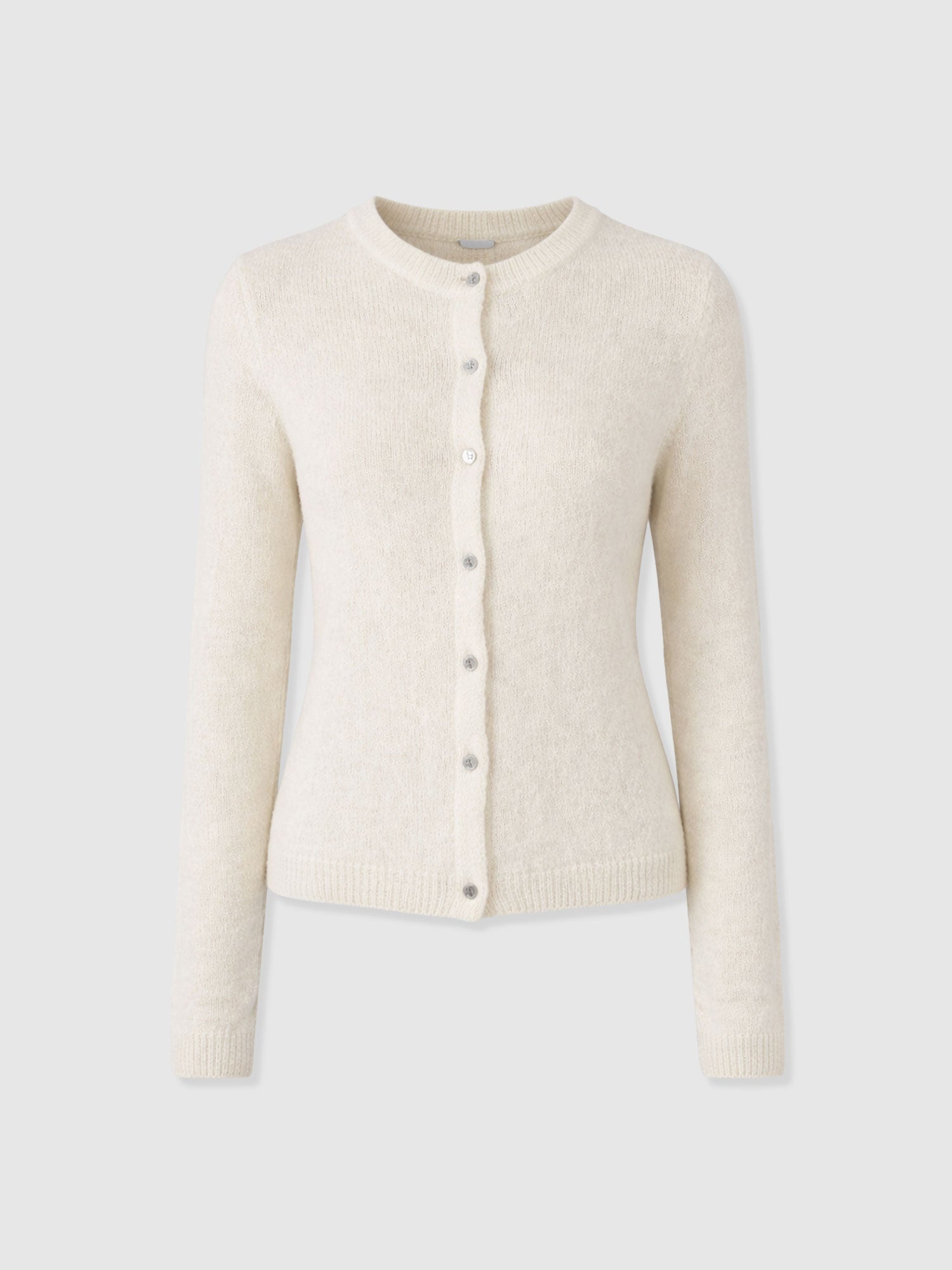
Creating durable, wearable pieces helps encourage more mindful consumption and reduces unnecessary waste over time. Whether it’s tailoring designed to remain part of a wardrobe for years or knitwear created with comfort and longevity in mind, we believe quality and sustainability should always go hand in hand.
Our collections are designed in London and handmade in Europe with carefully selected family-owned manufacturing partners who share our values around craftsmanship, responsibility and quality production.
A Continuing Journey
Sustainability is an ongoing journey rather than a finished destination. As technology, materials and manufacturing methods continue to evolve, we remain committed to learning, improving and making more responsible choices across every part of our business.
We care deeply about the environment and the future of fashion. Through the use of recycled materials, thoughtful production methods and a focus on long-lasting design, Saint and Sofia continues to work towards creating collections that are not only beautifully made, but made with greater consideration for the world around us.