

is this the
End of Quiet Luxury?
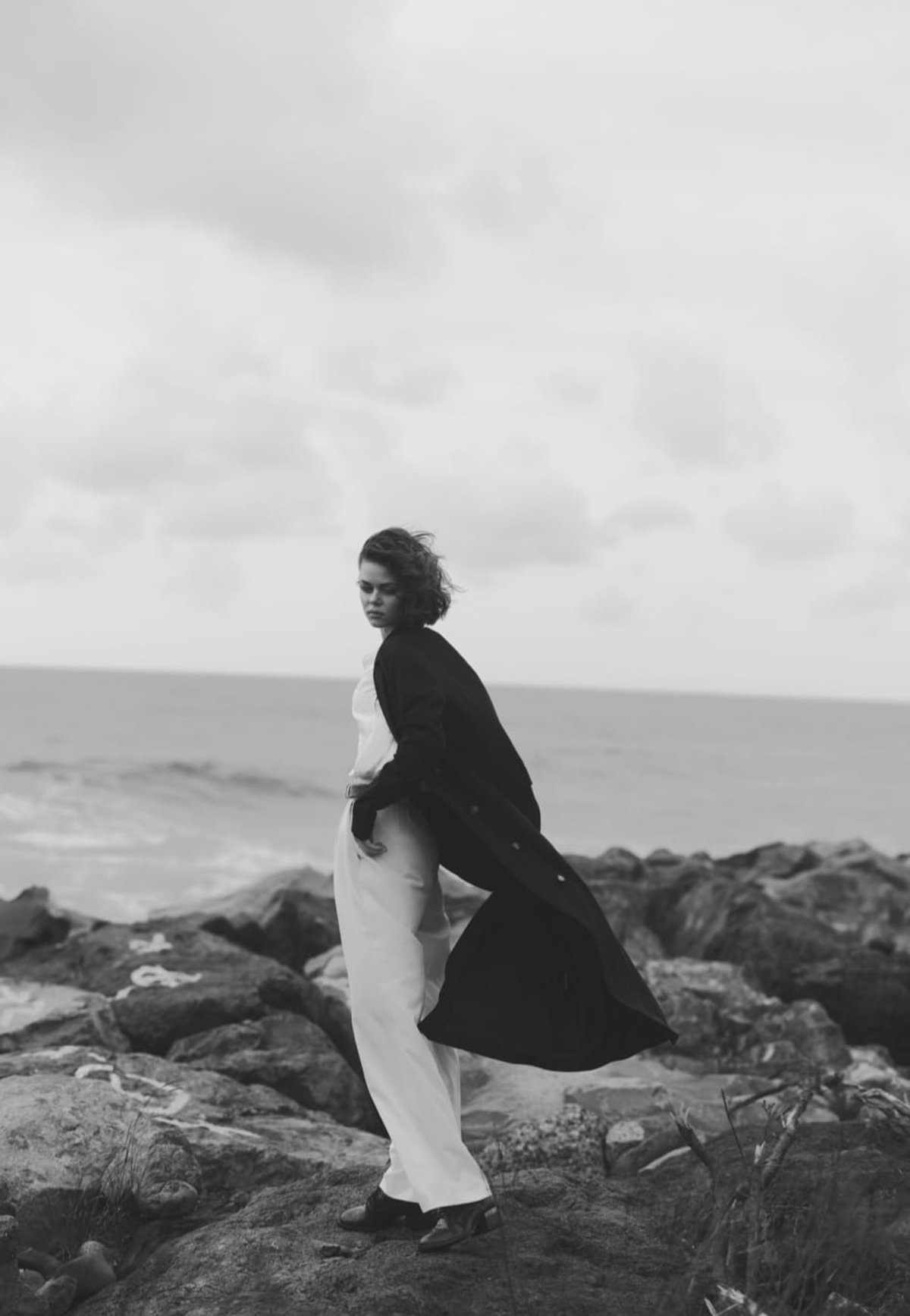
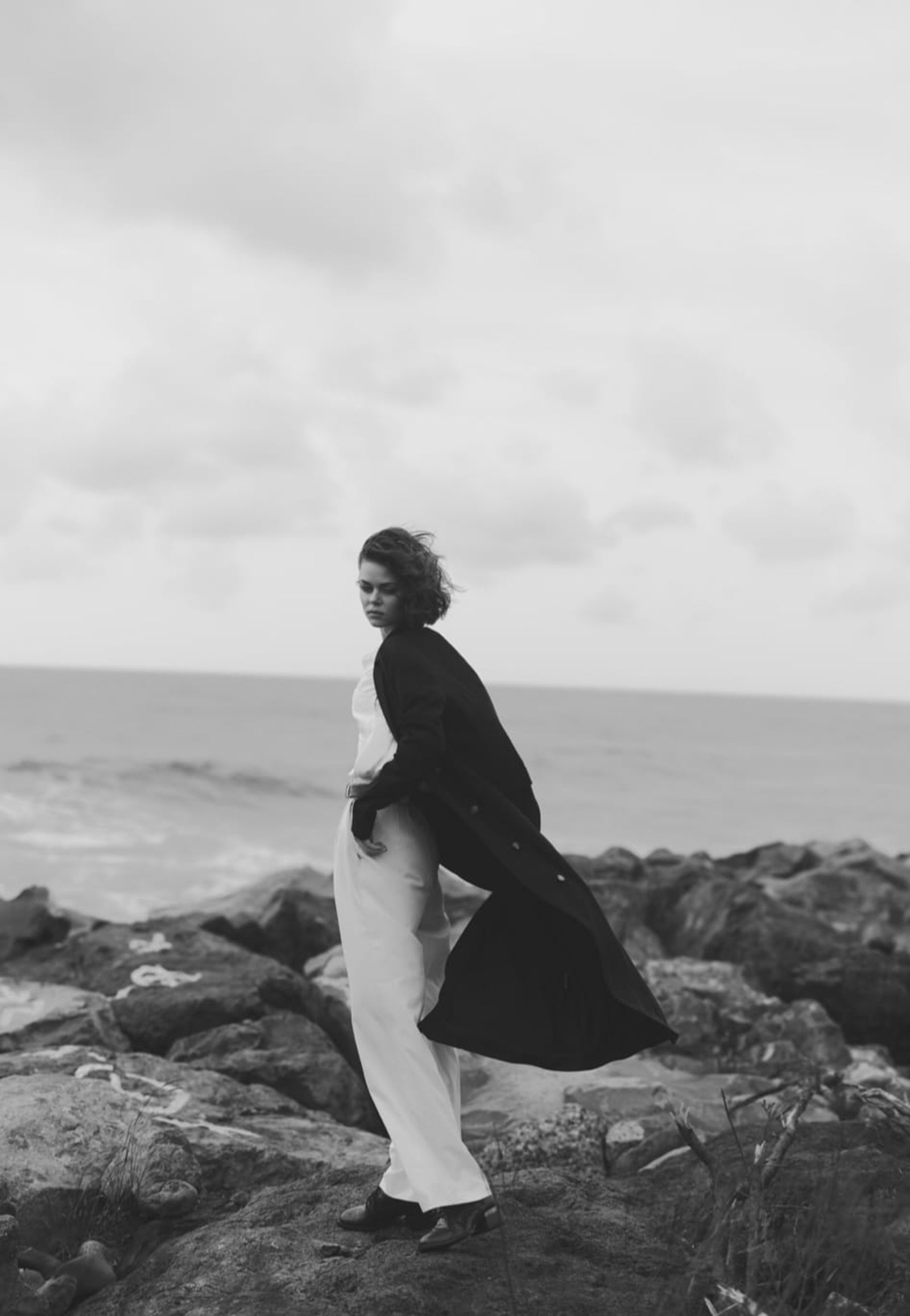
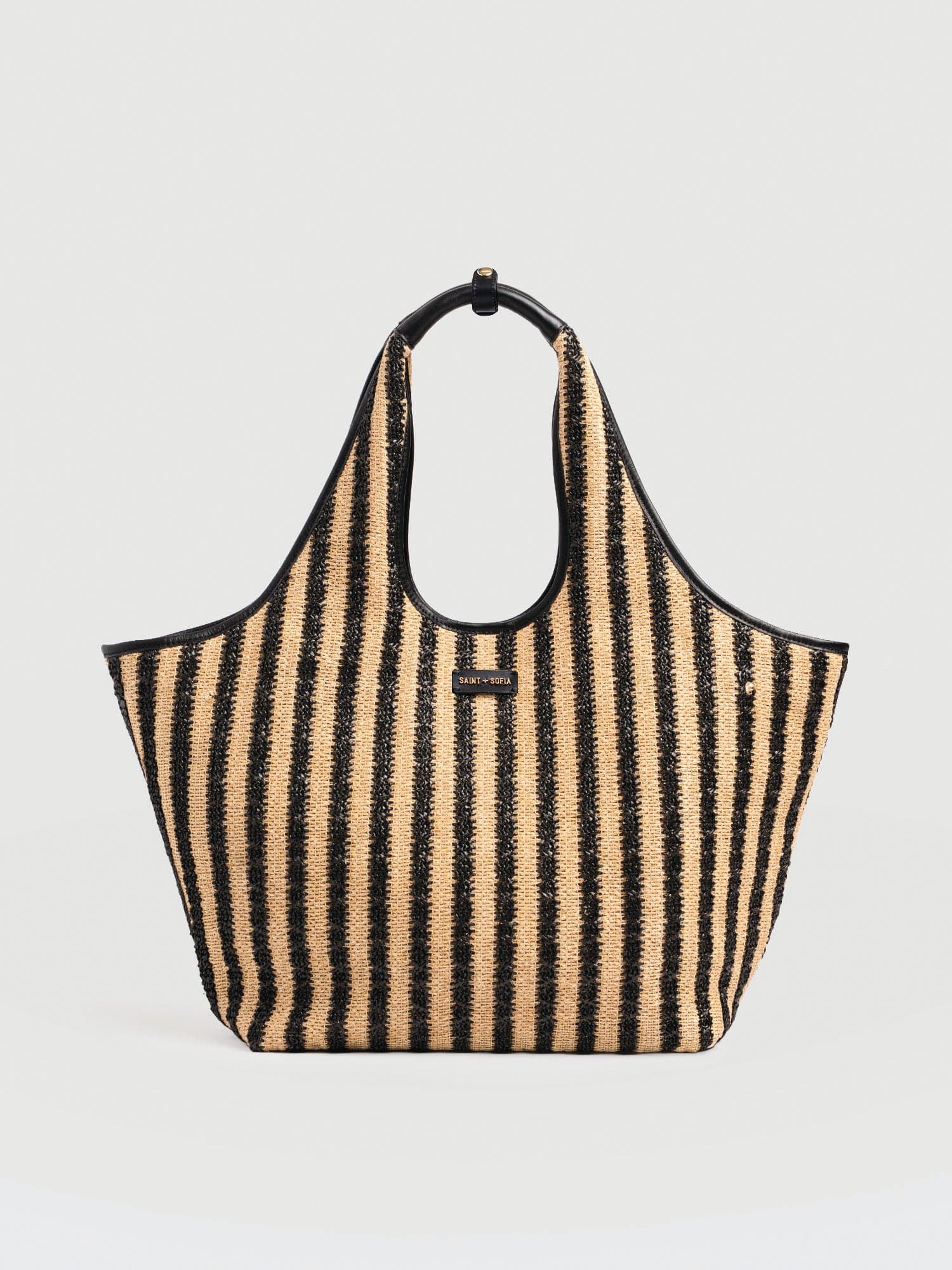
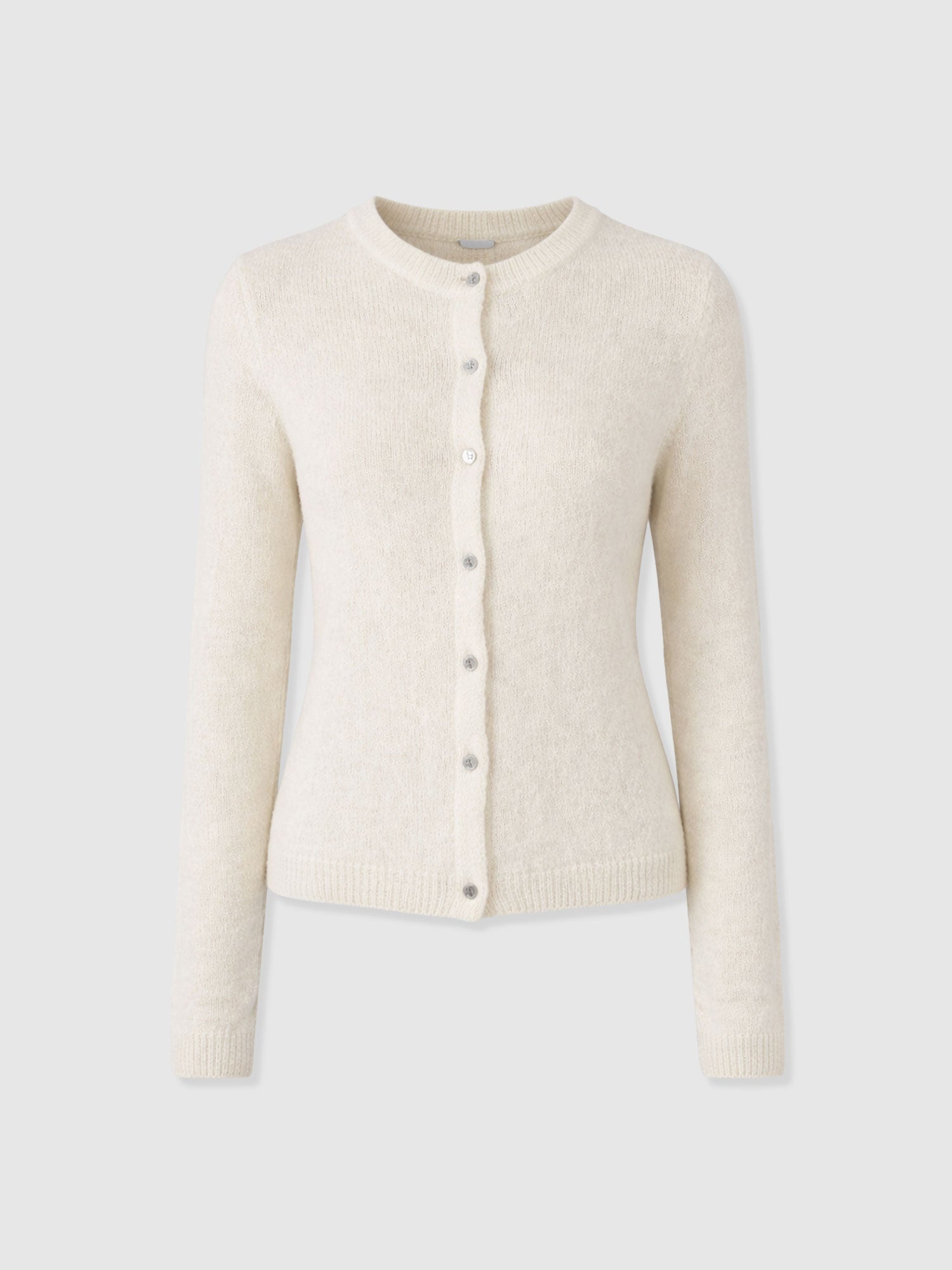
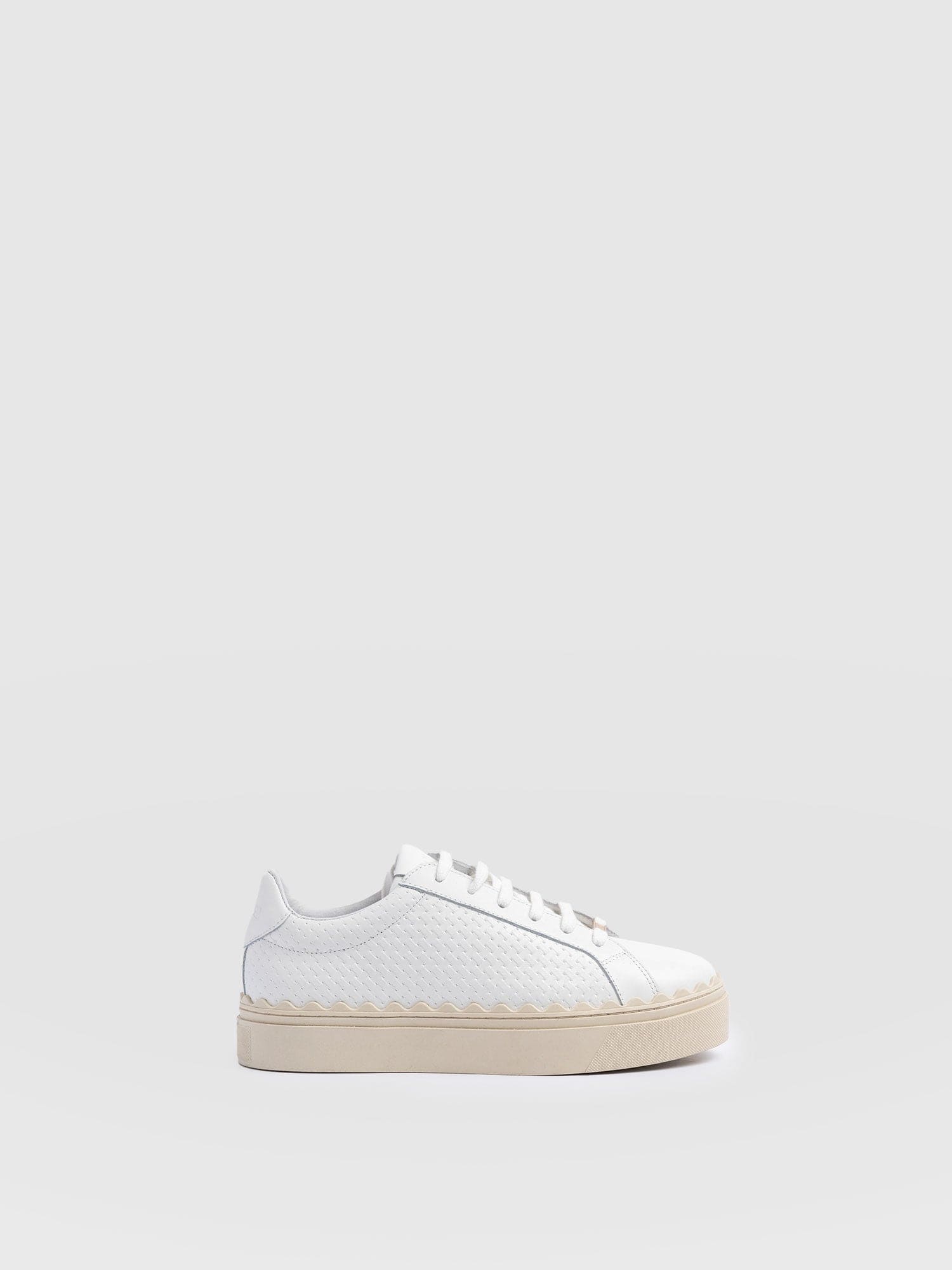
For the past few years, fashion has been dominated by a particular type of aspiration. Soft tailoring. Tonal dressing. Cream cashmere. Oversized wool coats. Leather bags without visible logos. Interiors filled with travertine, boucle and brushed oak. Across fashion, beauty and design, quiet luxury became the defining aesthetic of the post-pandemic era.
The movement reflected a wider cultural shift away from overt status dressing and towards something more restrained. In place of maximalism came simplicity. In place of heavy branding came anonymity. The mood was polished, minimal and intentionally understated.
Brands such as The Row, Loro Piana and Phoebe Philo became cultural reference points rather than simply fashion labels. Their influence stretched far beyond clothing into architecture, hospitality, beauty and digital culture itself. Quiet luxury was not only about what people wore. It became shorthand for a lifestyle built around calmness, discretion and control.
But fashion never stays still for long.
Increasingly, there are signs that the aesthetic dominance of quiet luxury may be beginning to soften. Colour is returning. Texture feels more expressive. Jewellery is becoming bolder again. Fashion imagery is becoming warmer, more emotional and less clinically minimal. Even luxury itself is starting to feel less sterile and more personal.
The question now is not whether quiet luxury mattered. Clearly, it defined an era. The real question is what happens next.
Why Quiet Luxury Took Over
To understand why fashion embraced quiet luxury so completely, it is important to understand the cultural moment that created it.
After years dominated by social media excess, influencer culture and hyper-visible branding, consumers became exhausted by performative luxury. During the 2010s, fashion often felt loud and highly commercial. Logos dominated everything from handbags and trainers to jewellery and tailoring. Streetwear collaborations drove constant hype cycles. Fashion became increasingly tied to visibility online.
Then the pandemic shifted priorities completely.
People spent long periods indoors reassessing their lifestyles, homes and wardrobes. Comfort suddenly became more important than spectacle. Softness mattered more than status. Consumers also became more aware of longevity and versatility, investing in fewer but better pieces rather than trend-driven purchases.
Quiet luxury arrived at exactly the right moment culturally. It offered sophistication without obvious consumption. It felt emotionally calming during a period defined by uncertainty and digital overload.
Minimalism itself also felt newly aspirational again. The clean visual language associated with brands such as The Row communicated stability, control and refinement at a time when the world itself felt chaotic.
The Power Of Restraint
Part of the appeal of quiet luxury was psychological.
Fashion had become increasingly fast, overstimulating and algorithm-driven. Quiet luxury offered visual silence within that noise. Neutral palettes, soft fabrics and understated silhouettes created a sense of calmness that many consumers deeply connected with emotionally.
This was especially true online. Minimal imagery performed exceptionally well across Instagram and Pinterest because it photographed beautifully within highly curated digital environments. Cream tailoring, tonal layering and minimalist interiors all became symbols of aspirational modern living.
The aesthetic also aligned perfectly with wider wellness culture. Quiet luxury wardrobes mirrored the same values increasingly associated with luxury hospitality, skincare and interior design: simplicity, softness, quality and emotional comfort.
In many ways, quiet luxury became less about wealth itself and more about appearing emotionally composed.
The Influence Of Television And Celebrity
Popular culture accelerated the movement dramatically.
Shows such as Succession helped push quiet luxury into mainstream conversation by presenting wealth through subtle tailoring, expensive fabrics and near-invisible branding. Suddenly, audiences became fascinated by the idea that true luxury was recognisable only to those already inside that world.
Celebrity culture reinforced the aesthetic further. Gwyneth Paltrow’s courtroom appearances became fashion stories. Sofia Richie Grainge’s wedding wardrobe triggered countless trend analyses. Minimal tailoring and neutral palettes dominated celebrity street style and campaign imagery simultaneously.
The aesthetic spread rapidly because it felt achievable visually even if the garments themselves remained expensive. Consumers could replicate the mood through styling and colour palette regardless of price point.
Soon, nearly every contemporary fashion brand adopted some version of quiet luxury aesthetics.
Why The Mood Is Beginning To Shift
Fashion operates through emotional cycles, and no dominant aesthetic lasts forever.
Increasingly, quiet luxury risks becoming too familiar. What once felt fresh and refined now sometimes feels overly uniform. Endless beige knitwear, oversized camel coats and tonal dressing have started blending together visually across social media and retail spaces alike.
There is also growing fatigue around perfection itself.
Many consumers now crave clothing and imagery that feel more emotional, expressive and individual again. After years of minimal restraint, fashion appears to be slowly moving back towards personality and texture.
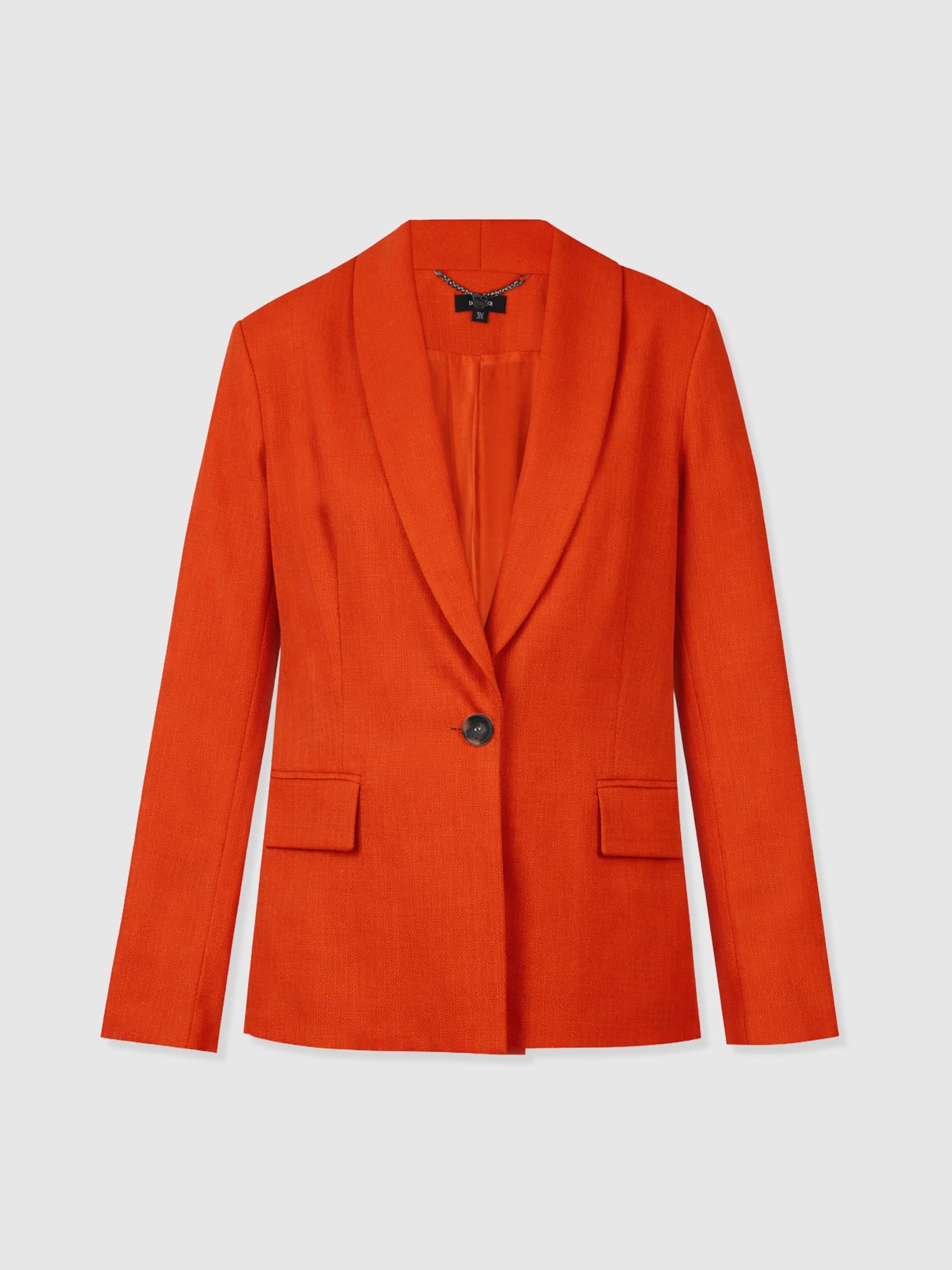
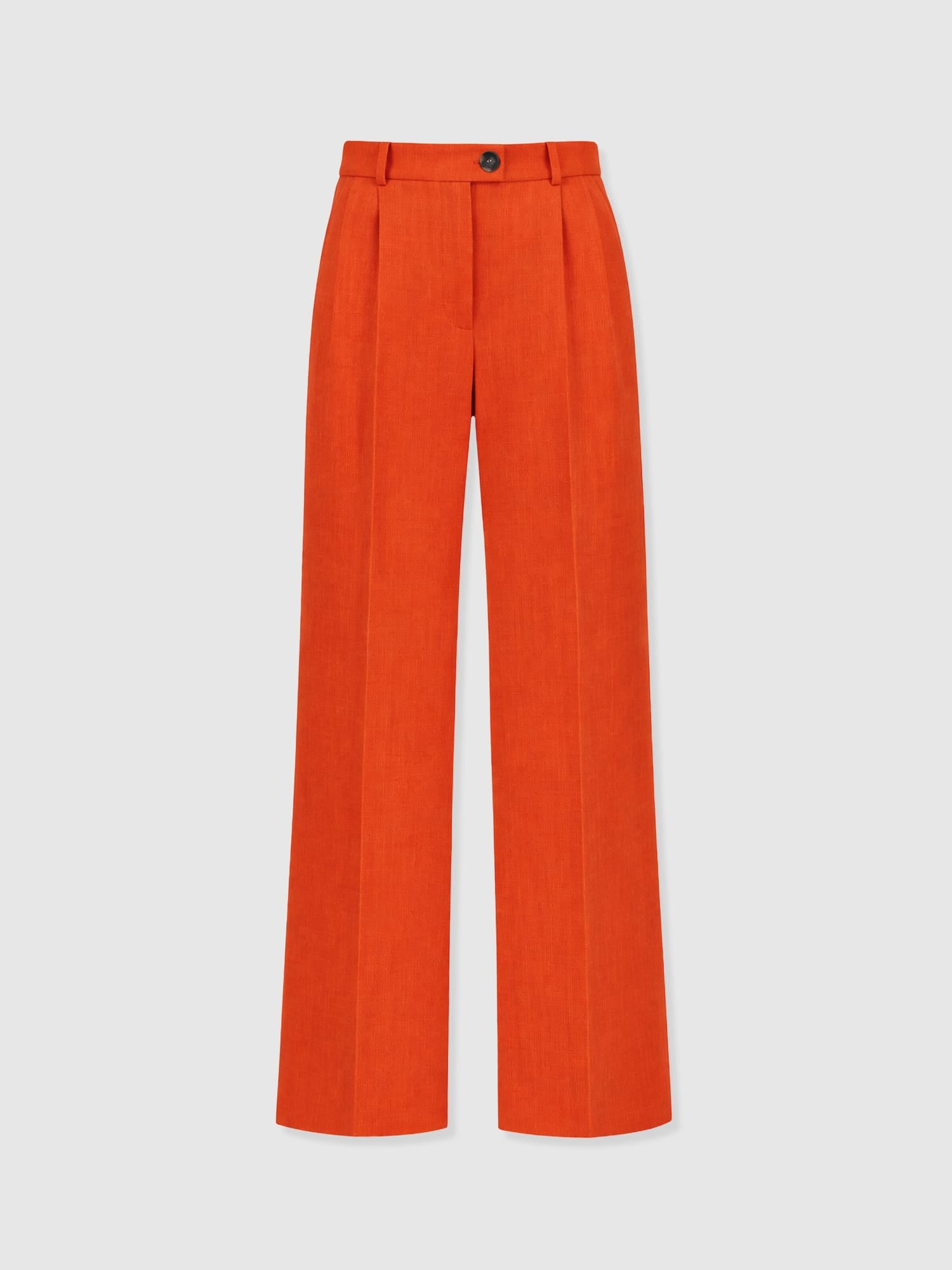
This does not necessarily mean a return to maximalism in the traditional sense. Instead, the shift feels subtler. Richer colours are reappearing. Jewellery feels more sculptural. Vintage dressing is becoming increasingly personal and instinctive. Fashion photography is becoming warmer and less clinically polished.
Even luxury brands themselves are responding. Recent collections across both luxury and contemporary fashion have introduced softer romanticism, deeper colour palettes and more tactile fabrics into previously minimalist worlds.
The mood feels less rigid than before.
Texture Is Replacing Minimalism
One of the clearest changes happening within fashion right now is the growing importance of texture.
During the height of quiet luxury, visual simplicity dominated. Silhouettes were clean. Colour palettes remained muted. Decoration was minimal. Now, however, texture itself is becoming the new expression of luxury.
Brushed wool, suede, washed leather, silk blends and hand-finished fabrics are increasingly central to how brands communicate refinement. Clothing still feels elevated and understated, but with more warmth and personality than the colder minimalism that defined earlier quiet luxury aesthetics.
Fashion is becoming more tactile emotionally and visually.
This shift also reflects broader consumer behaviour. People increasingly want clothing that feels comforting, personal and lived-in rather than purely polished. Perfect minimalism can sometimes feel emotionally distant. Texture creates intimacy.
Personal Style Is Returning
Perhaps the biggest sign that quiet luxury is evolving lies in the renewed importance of individuality.
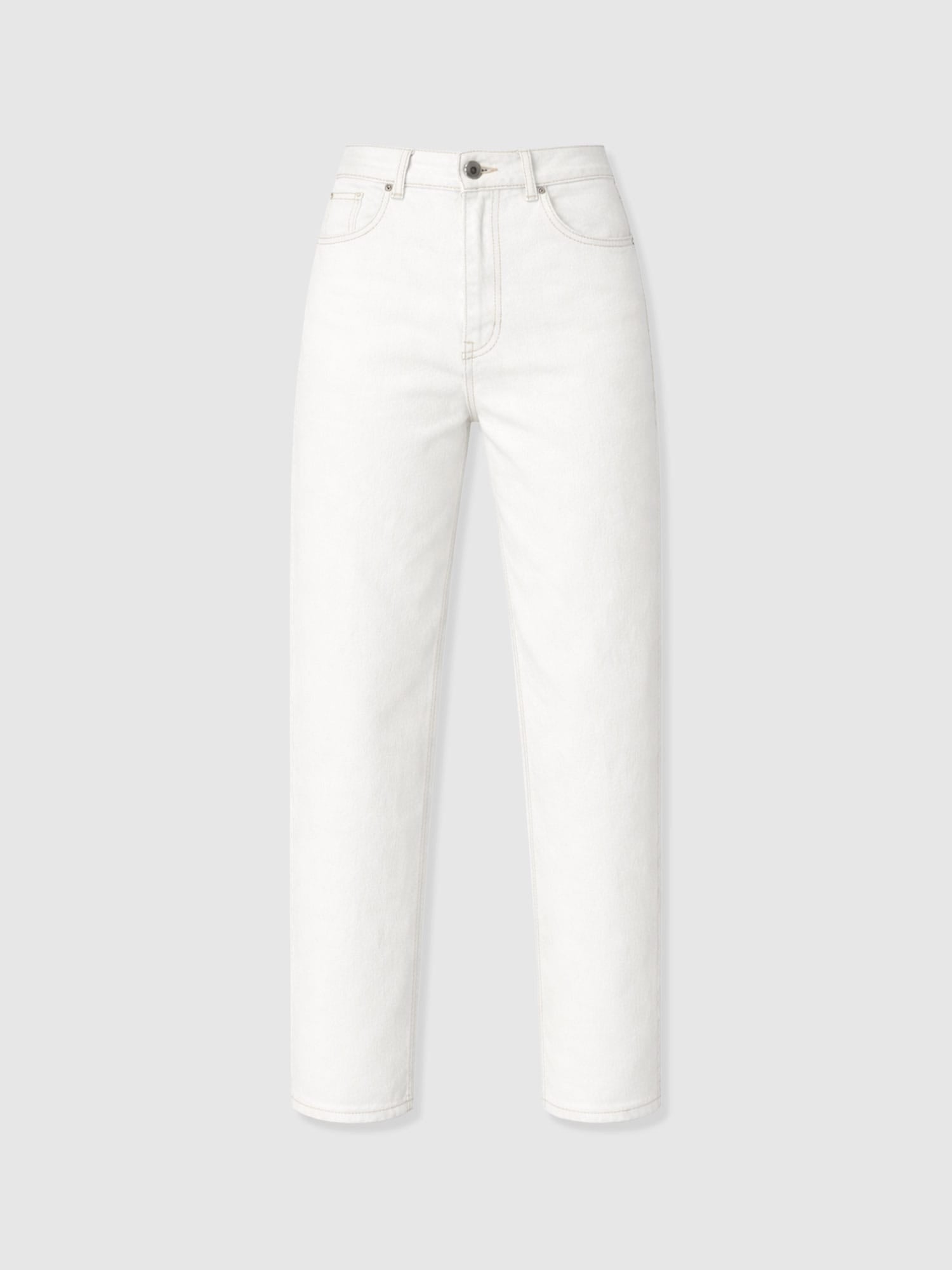
During peak quiet luxury, wardrobes often followed highly similar formulas. Neutral tailoring, wide-leg trousers, oversized shirts and minimalist accessories dominated across fashion media and social platforms. The aesthetic became so universal that it sometimes erased personal identity altogether.
Now, consumers increasingly want clothing that reflects personality rather than simply aspiration.
Vintage fashion plays a major role in this shift because it introduces unpredictability and uniqueness back into dressing. Jewellery layering, mixed textures and more instinctive styling choices are also becoming increasingly common. People still want timelessness and quality, but they also want individuality. Fashion feels like it is moving towards a softer and more human version of luxury rather than rejecting luxury entirely.
Quiet Luxury Is Not Disappearing
Despite conversations about its decline, quiet luxury itself is unlikely to disappear completely.
The movement fundamentally reshaped how consumers think about quality, softness and longevity. Elevated basics, premium fabrics and understated tailoring will remain central to modern wardrobes because they genuinely suit contemporary lifestyles.
What is changing is the emotional tone surrounding the aesthetic.
Fashion appears to be moving away from strict minimal perfection towards something more expressive and layered. Luxury is becoming warmer, less performative and slightly less controlled. The future likely belongs to wardrobes that balance simplicity with individuality rather than choosing between them completely.
What Comes Next
Fashion rarely moves in straight lines. Instead, aesthetics evolve gradually through shifts in mood, culture and emotion.
The next phase after quiet luxury may not even have a clear name yet. But there are already signs emerging everywhere. Softer romanticism. Richer textures. Vintage individuality. Artistic dressing. More emotional visual storytelling. Consumers still value timelessness and restraint, but they increasingly want warmth and personality alongside it.
Perhaps that is ultimately what happens after every dominant aesthetic reaches saturation. People begin searching not only for something visually different, but something emotionally different too. Quiet luxury reflected a moment when people wanted calmness, softness and control. The mood now feels slightly more open. Slightly more instinctive. Slightly less perfect. And fashion is beginning to reflect that change.