

the most influential
Fashion Photographers, Ever
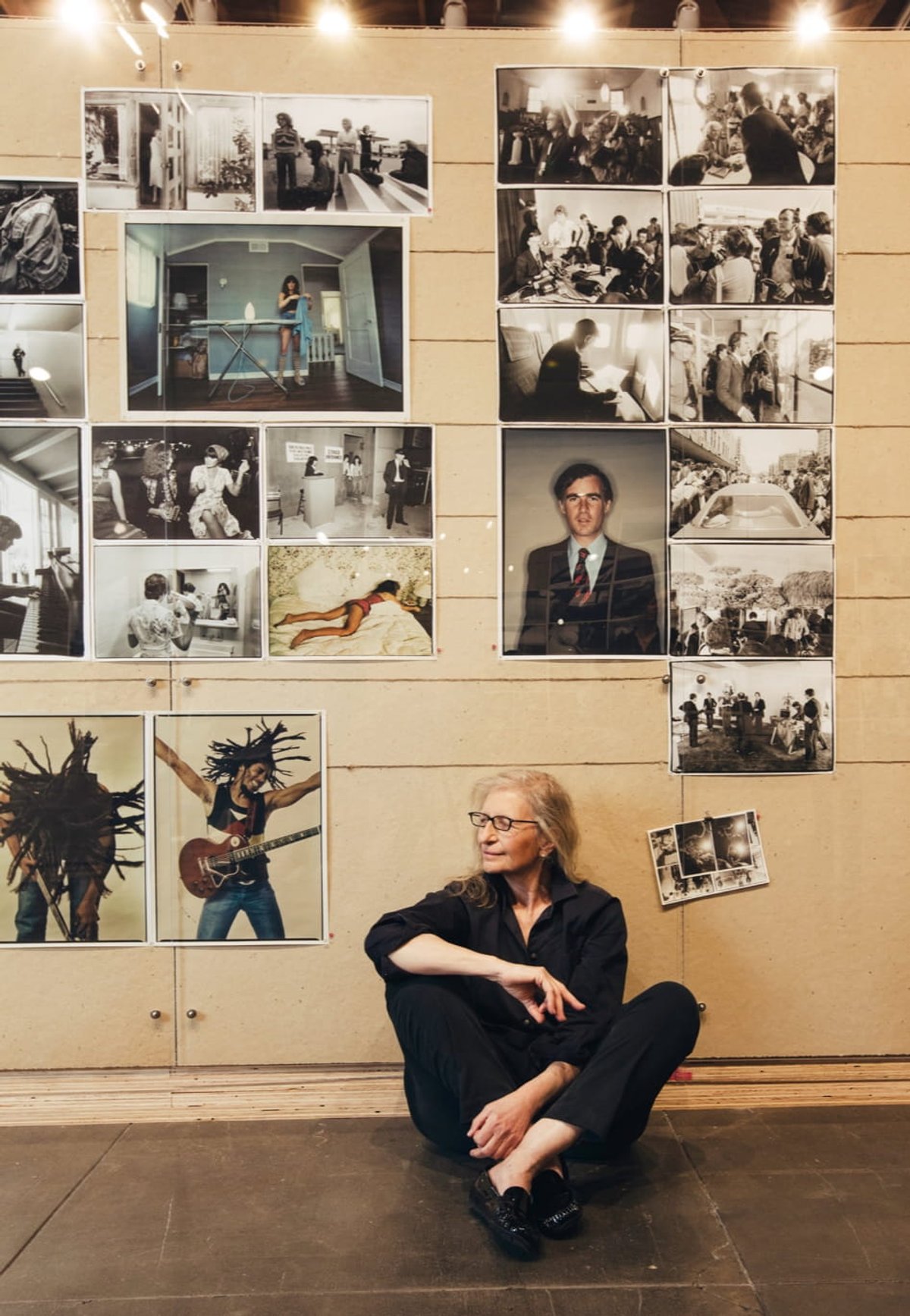
Fashion photography has always existed at the intersection of art, storytelling and culture. Long before social media and digital campaigns transformed the industry, fashion photographers shaped how entire generations understood beauty, style and aspiration through powerful imagery. The most influential fashion photographers did more than simply capture clothes - they created worlds, identities and visual languages that continue to inspire designers, magazines and creatives today.
From cinematic portraiture and minimalist black-and-white imagery to rebellious editorials and surreal fantasy, iconic fashion photography has continuously evolved alongside fashion itself. Many of the greatest photographers became cultural figures in their own right, influencing everything from film and advertising to music videos and contemporary art.
For anyone searching for creative inspiration, these photographers remain essential references. Their work continues to define visual culture across fashion, publishing and modern storytelling.
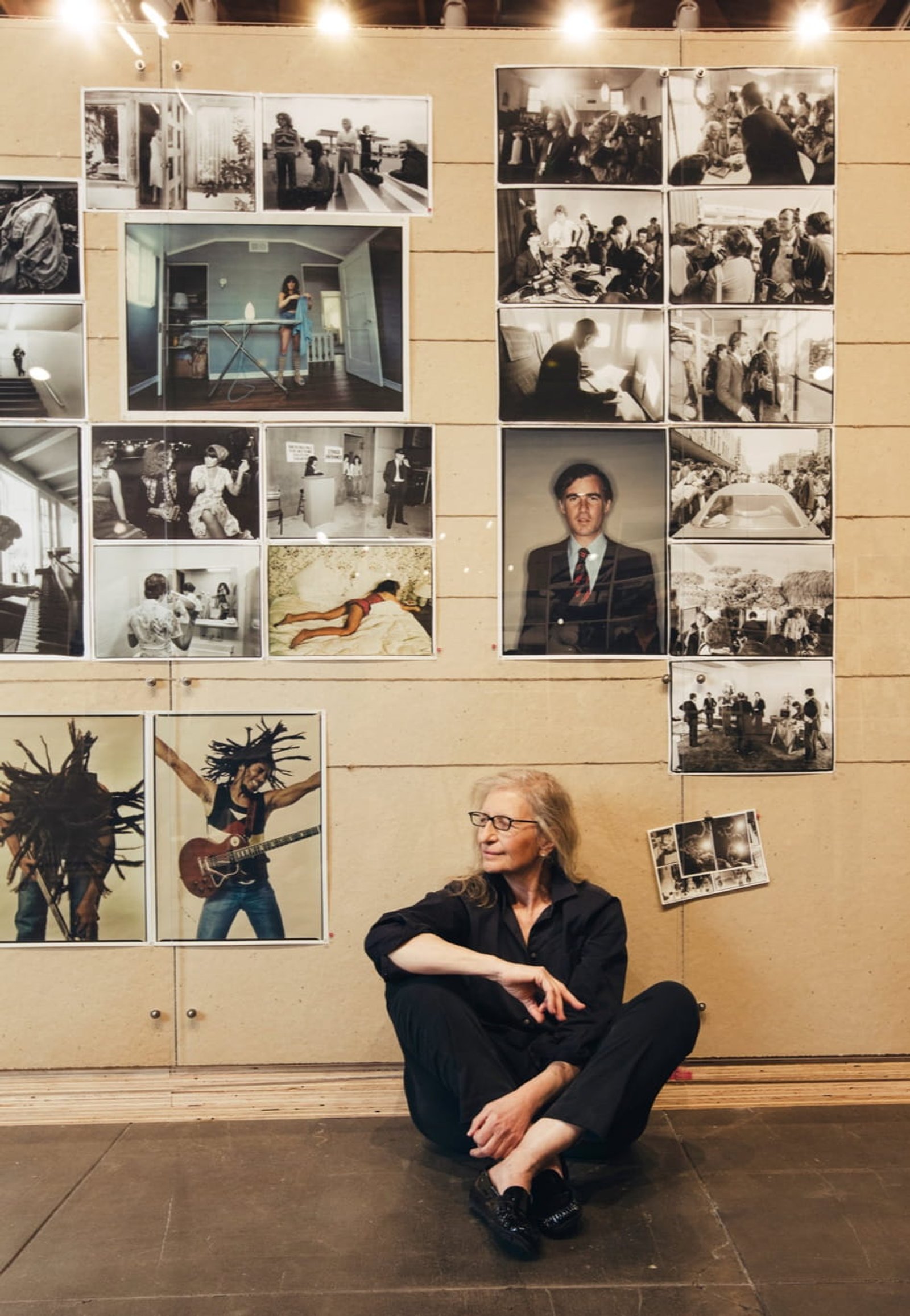
Annie Leibovitz
Few photographers have shaped modern visual culture more profoundly than Annie Leibovitz. Known for her cinematic portraiture and emotionally charged storytelling, Leibovitz transformed fashion and celebrity photography into something deeply narrative and instantly recognisable.
After first gaining attention through her work for Rolling Stone, she later became one of the defining visual voices of Vanity Fair and Vogue. Her portraits of actors, musicians, politicians and fashion figures blurred the line between editorial photography and fine art.
What makes Leibovitz especially influential within fashion photography is her ability to create atmosphere and emotional depth. Her images feel theatrical yet intimate, often resembling scenes from films rather than traditional magazine shoots. From dramatic lighting to carefully constructed sets, every detail contributes to a larger story.
Her influence can still be seen throughout contemporary luxury campaigns and editorial photography today.
Richard Avedon
Richard Avedon revolutionised fashion photography by bringing movement, emotion and personality into an industry previously dominated by static studio portraits.
Working extensively with Harper’s Bazaar and later Vogue, Avedon photographed models in motion, laughing, dancing and interacting naturally with their environments. His work helped make fashion imagery feel alive and modern.
Beyond fashion, Avedon’s striking portrait work also became legendary. His minimalist portraits captured vulnerability and humanity with extraordinary precision.
His influence remains visible across modern editorial photography, particularly in the emphasis on personality-driven imagery.
Helmut Newton
Provocative, glamorous and unmistakably bold, Helmut Newton transformed the visual identity of fashion photography during the 1970s and 1980s.
Known for his highly stylised black-and-white images, Newton explored themes of power, sexuality and luxury through cinematic compositions and dramatic lighting. His work often blurred boundaries between fashion photography and art photography, creating imagery that felt provocative yet sophisticated.
Newton’s visual style continues to influence luxury fashion campaigns and contemporary editorial aesthetics decades later.
Peter Lindbergh
Peter Lindbergh is widely credited with redefining beauty within fashion photography. At a time dominated by heavy glamour and perfection, Lindbergh embraced authenticity, natural emotion and simplicity.
His black-and-white portraits of supermodels in the late 1980s and 1990s helped define an entire era of fashion imagery. Rather than relying on excessive styling or retouching, his work focused on character, emotion and individuality.
Lindbergh’s photography feels timeless because of its humanity. His influence remains especially important in today’s conversations around authenticity and modern beauty standards.
Steven Meisel
Few photographers have had as much influence on modern fashion imagery as Steven Meisel. Known for his extraordinary versatility and creative ambition, Meisel helped shape the visual identities of Vogue Italia, Prada and countless luxury brands.
His editorials often feel highly cinematic, combining fashion with cultural commentary and visual experimentation. Meisel also played a major role in launching the careers of many iconic supermodels.
Despite rarely giving interviews, his work alone has made him one of the most respected and influential fashion photographers of all time.
Herb Ritts
Herb Ritts brought a sculptural elegance to fashion photography that continues to inspire creatives across fashion and advertising.
Known for his clean compositions, natural light and striking black-and-white portraits, Ritts photographed some of the biggest models, musicians and celebrities of the late twentieth century. His imagery often celebrated the human form with a simplicity that felt both glamorous and timeless.
Beyond fashion magazines, Ritts also directed influential music videos and advertising campaigns, helping bridge the worlds of fashion, music and pop culture.
Tim Walker
British photographer Tim Walker transformed fashion editorials into fantastical dreamscapes filled with surrealism, theatre and imagination.
His work for British Vogue became famous for its oversized props, elaborate sets and whimsical storytelling. Every image feels like part of a larger fictional universe inspired by fairy tales, literature and art history.
Walker’s approach reminds audiences that fashion photography can still feel magical and emotionally transportive in the digital age.
Irving Penn
Elegant, minimal and technically masterful, Irving Penn remains one of the defining photographers of twentieth-century fashion.
Penn’s work for Vogue combined extraordinary simplicity with sharp visual intelligence. Whether photographing couture, still life compositions or portraits, his images always felt refined and deeply considered.
His influence can still be seen throughout contemporary minimalist fashion photography.
Nick Knight
Nick Knight helped pioneer the fusion of fashion photography and digital experimentation. Through his groundbreaking platform SHOWstudio, Knight challenged traditional ideas around image-making and fashion presentation.
His work frequently embraces technology, movement and visual distortion while remaining deeply connected to fashion and beauty.
Knight’s experimental approach continues to influence younger generations of photographers exploring fashion through digital media.
David Bailey
As one of the defining visual figures of Swinging London, David Bailey captured the energy, rebellion and cultural transformation of the 1960s.
His portraits of models, musicians and cultural icons helped redefine British fashion photography with a rawness and immediacy that felt entirely new at the time.
Bailey’s work remains deeply connected to London’s creative identity and continues to inspire photographers today.
Why Fashion Photography Still Matters
The greatest fashion photographers do more than document clothing. They shape cultural memory, influence aesthetics and redefine how audiences see beauty, identity and creativity itself.
From Annie Leibovitz’s cinematic storytelling to Tim Walker’s surreal fantasy worlds, iconic fashion photography continues to inspire designers, filmmakers, artists and creatives across every industry. In an increasingly image-driven world, the influence of these photographers feels more powerful than ever.
For anyone seeking creative inspiration, studying their work remains one of the best ways to understand how visual storytelling can move far beyond fashion and become true cultural art.