

so connected:
Art, Music And Fashion
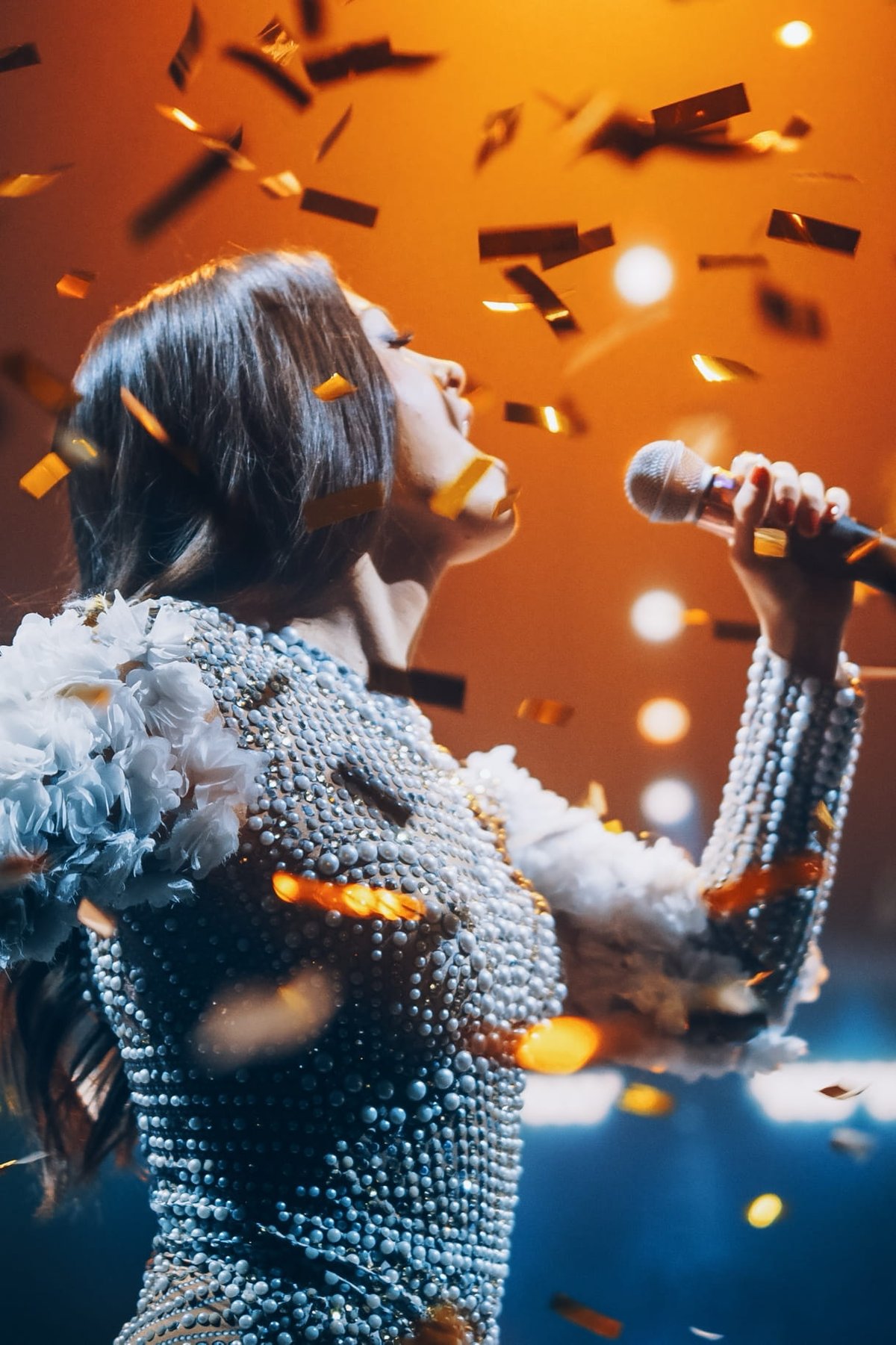
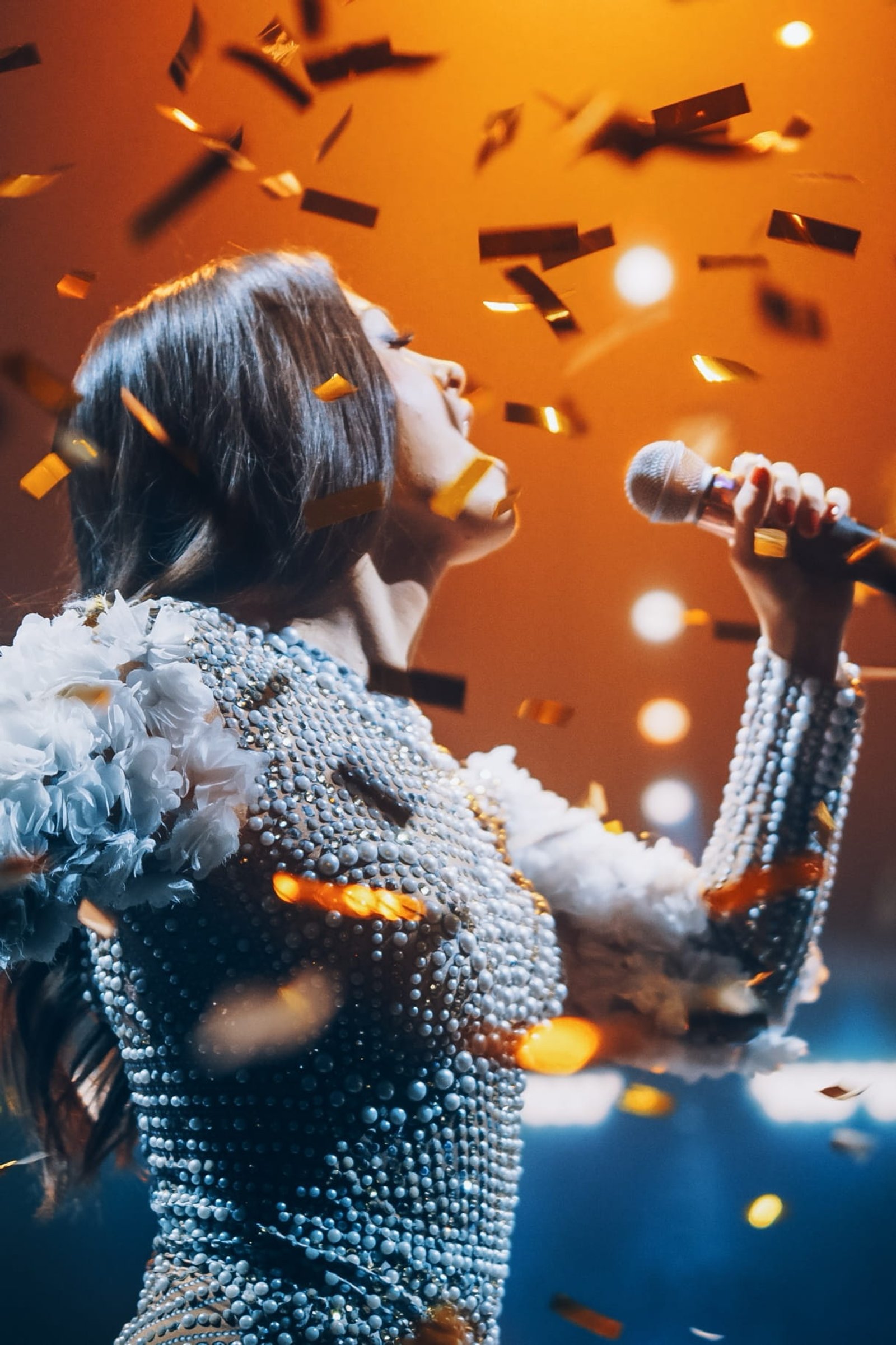
Fashion has never existed in isolation. Every major shift in style has usually emerged alongside wider changes in music, art, film and culture. What people wear reflects what they are listening to, watching, creating and reacting against. Today, however, those relationships feel stronger and more immediate than ever before. At Saint and Sofia, we believe in this union.
The boundaries between fashion, music and art have become increasingly blurred within the modern media landscape. Designers collaborate with musicians. Artists direct campaigns for luxury brands. Fashion shows resemble immersive performances rather than traditional runway presentations. Meanwhile, social media allows visual references, sounds and cultural movements to spread globally in real time.
Part of what makes contemporary culture so exciting is this constant creative overlap. Fashion and music culture no longer sit in separate worlds. Neither do art and fashion inspiration. Instead, they now exist inside the same fast-moving visual ecosystem, influencing each other continuously across platforms, industries and audiences.
Fashion Has Always Reflected Music
Music has shaped fashion for decades. Entire style movements have emerged directly from music scenes long before they reached mainstream culture.
Punk transformed fashion during the 1970s through DIY tailoring, leather jackets and anti-establishment styling. Britpop brought parkas, vintage sportswear and casual cool into the centre of British fashion during the 1990s. Hip-hop culture completely reshaped luxury fashion through oversized silhouettes, trainers and logo-driven dressing across the late twentieth century.
Today, those relationships continue evolving, but the speed of influence has accelerated dramatically. Artists no longer simply inspire trends over time. They now shape global fashion conversations instantly through performances, social media, music videos and creative collaborations.
Fashion increasingly moves at the same speed as music culture itself.
The Rise Of The Multi-Disciplinary Creative
One of the biggest changes within modern creative industries is that people no longer work inside single categories.
Musicians launch fashion brands. Designers direct films. Artists create stage sets for concerts. Creative directors move fluidly between publishing, fashion, music and visual art without strict boundaries between disciplines.
This shift has transformed the way audiences consume culture. A fashion campaign might feel like a short film. A music video might resemble an art installation. A runway show may include live performance, sculpture and immersive sound design simultaneously.
The result is a far more interconnected creative landscape where inspiration constantly moves between industries.
Fashion Shows Have Become Cultural Events
Runway shows themselves now reflect this blending of fashion, music and art more clearly than ever.
Many luxury brands increasingly stage shows as large-scale cultural performances rather than traditional presentations. Music, lighting, architecture and visual storytelling now carry as much importance as the clothing itself.
Soundtracks are carefully curated to shape emotional atmosphere. Contemporary artists collaborate on staging and installation design. Some fashion houses even commission original compositions or live performances specifically for runway experiences.
This approach transforms fashion into something immersive and cinematic rather than purely commercial.
Part of the reason these events generate such cultural attention online is because they sit naturally at the intersection of multiple creative industries simultaneously.
Social Media Changed Everything
Social media accelerated the connection between art, music and fashion dramatically.
Previously, trends and cultural movements often spread slowly through magazines, galleries, concerts and television. Today, a single image, performance or campaign can influence global style conversations within hours.
Platforms such as Instagram, TikTok and Pinterest also encourage visual storytelling above everything else. Fashion, music and art now compete and collaborate within the same digital spaces constantly.
This has changed how brands approach creativity entirely. Fashion campaigns increasingly resemble editorial photography or contemporary art projects because audiences now expect stronger visual narratives and emotional depth.
Musicians also understand visual identity more strategically than ever before. Album artwork, styling, stage design and fashion collaborations all contribute to how artists build their cultural presence online.
The Return Of Creative Communities
Despite technology dominating modern culture, there has also been a renewed focus on physical creative communities.
Cities such as London, New York and Paris continue bringing together musicians, designers, photographers, artists and filmmakers within the same social and professional circles. Cafés, galleries, studios, music venues and fashion events all overlap naturally.
Part of what makes these environments so creatively powerful is the constant exchange of ideas happening between disciplines. A photographer may influence a designer’s campaign direction. A musician’s visual identity may inspire a fashion collection. An exhibition might shape the colour palette of an editorial shoot.
Creativity thrives through connection, and modern creative industries increasingly depend on collaboration rather than isolation.
Fashion Is Becoming More Cultural
Fashion itself has also evolved beyond clothing alone. Brands increasingly position themselves as cultural platforms rather than purely retail businesses.
Many now produce magazines, films, exhibitions, podcasts and music collaborations alongside collections. Fashion houses partner with galleries, artists and musicians because audiences increasingly engage with brands through culture rather than products alone.
This reflects a broader shift in consumer behaviour. People no longer simply buy clothing. They connect with aesthetics, values, communities and creative worlds.
Fashion and music culture now operate almost symbiotically. Artists shape fashion trends, while fashion helps construct the visual identities surrounding music itself.
Why Art Still Matters Most
Despite all the technological changes reshaping culture, art remains central to creativity across every industry.
Fashion designers continue looking towards painting, sculpture, architecture and photography for inspiration. Musicians collaborate with visual artists to deepen the emotional world around albums and performances. Creative directors increasingly approach campaigns as cinematic or artistic projects rather than straightforward advertising.
Art provides emotional depth and cultural context in ways trends alone cannot.
This is particularly important in an era where audiences are constantly exposed to visual content online. The work that resonates most tends to feel emotionally layered, visually distinctive and culturally aware rather than simply aesthetically pleasing.
The Future Of Creative Industries
The connection between art, music and fashion will likely continue becoming even stronger over time. Younger generations increasingly move fluidly between disciplines without seeing clear separation between them.
A stylist might also direct photography. A musician may launch a design studio. An artist might collaborate with fashion brands while creating digital installations and film projects simultaneously.
This blending of industries reflects how creativity now operates in the modern media landscape. Culture moves too quickly and audiences consume content too broadly for strict creative boundaries to remain relevant.
Ultimately, fashion, music and art all share the same purpose. They help people express identity, emotion and imagination visually and emotionally. The fact they are now so deeply connected simply reflects the way modern culture itself has evolved.
And perhaps that creative overlap is exactly what makes this moment feel so exciting.