



the coolestHotels In East London
Published 19th February 2024 | London, England
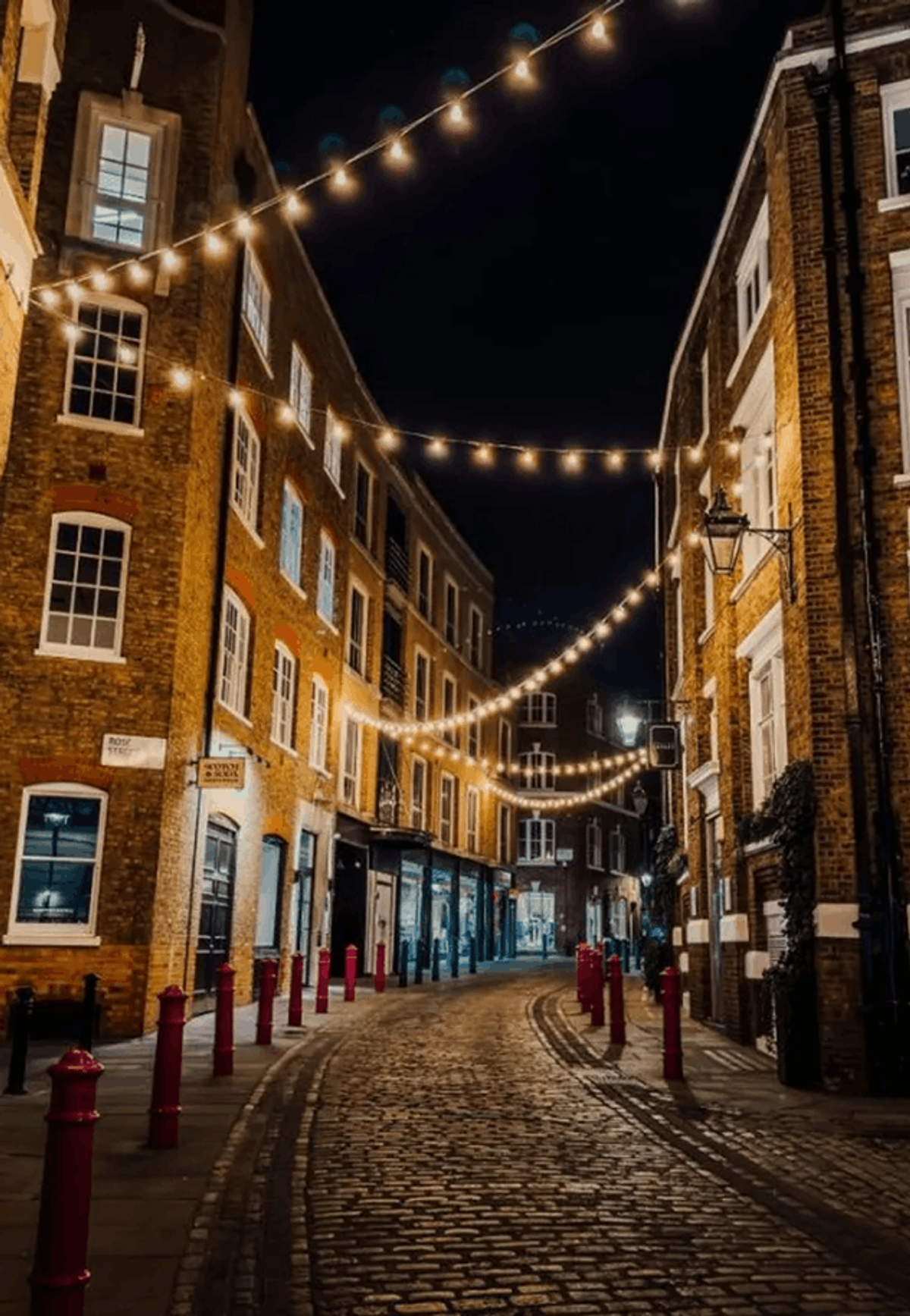
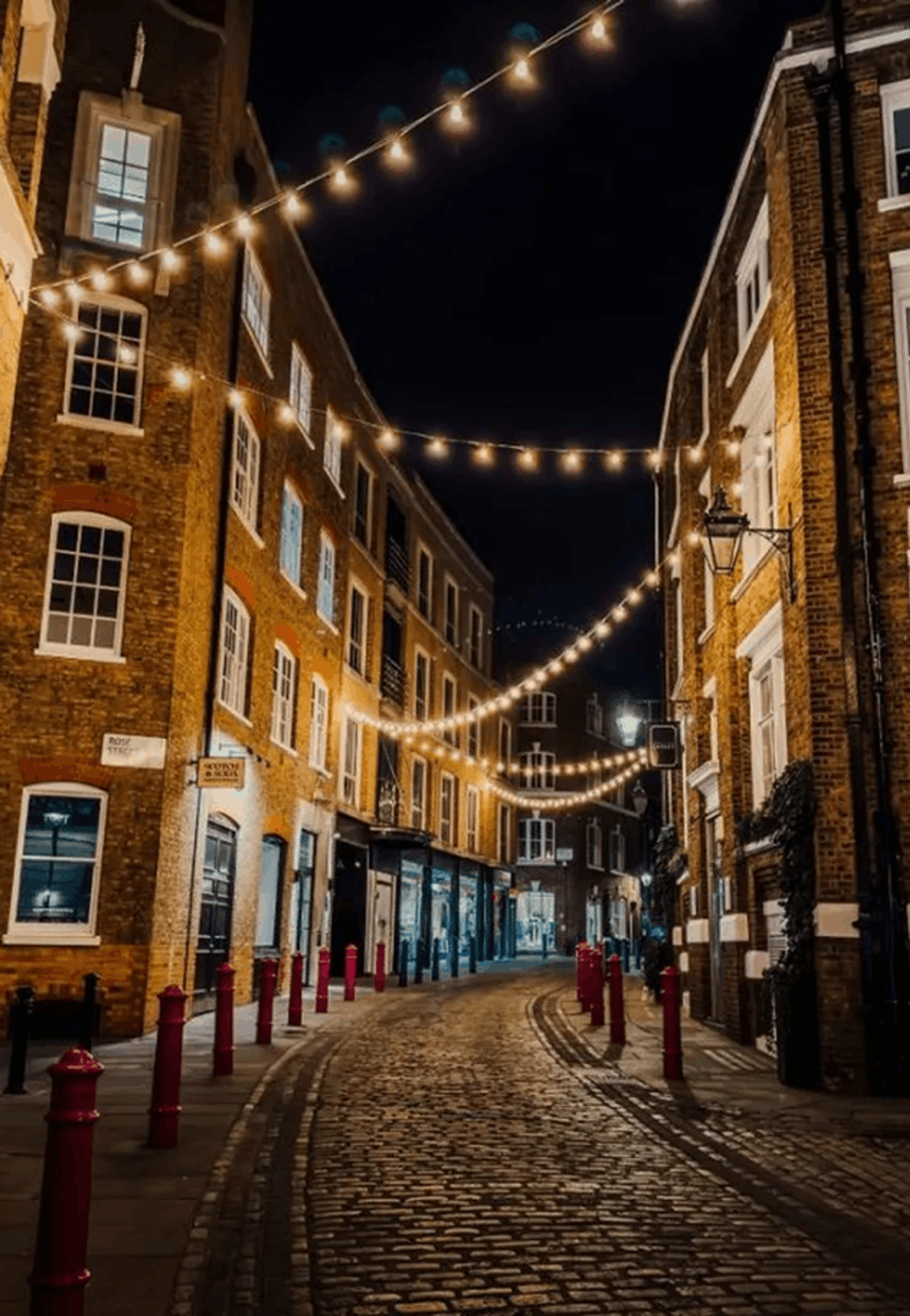
East London has become one of the most creative and culturally influential parts of the city. Once defined primarily by warehouses and industrial spaces, the area has evolved into a global destination for fashion, art, nightlife and design. From Shoreditch and Bethnal Green to Hackney and Spitalfields, East London now attracts creatives, travellers and fashion lovers from around the world looking for something more independent and visually distinctive than traditional luxury hotels.
Part of what makes East London so appealing is its atmosphere. The area feels constantly evolving yet deeply connected to the city’s creative history. Independent cafés sit beside brutalist architecture, contemporary galleries exist alongside historic markets and converted industrial buildings now house some of the most stylish hotels in London.
The hotel scene itself reflects this spirit perfectly. Boutique hotels in East London tend to feel more personal, design-led and culturally connected than larger chain hotels elsewhere in the city. Interiors are often inspired by contemporary art, vintage furniture, minimalist architecture and modern city living rather than traditional luxury alone.
At Saint and Sofia, London continues to inspire every collection through its balance of creativity, understated style and contemporary city culture. Much like East London itself, modern fashion increasingly embraces individuality, versatility and timeless design over rigid trends. Here are some of the coolest hotels in East London and why the area has become one of the world’s most stylish urban destinations.
Why East London Became A Creative Destination
East London’s rise as a cultural hub began largely through creativity itself. During the late twentieth century, artists, musicians and designers moved into former industrial areas because of affordable studio space and a growing independent scene.
Neighbourhoods such as Shoreditch and Hackney quickly developed reputations for underground nightlife, galleries, music venues and fashion studios. Over time, these creative communities transformed the area into one of the most influential cultural districts in Europe.
Today, East London remains deeply connected to fashion, design and visual culture. Independent bookstores, concept stores, coffee shops and contemporary restaurants sit throughout the area, helping create an atmosphere that feels distinctly modern yet still authentically London. This creative identity has naturally influenced hospitality too. Boutique hotels in East London rarely feel generic. Instead, they often reflect the personality of the neighbourhoods surrounding them.
The Rise Of Boutique Hotels In East London
Traditional luxury hotels often focused on formality and grandeur, but East London hotels introduced something different. Design became more relaxed, interiors became more curated and hospitality began feeling more connected to lifestyle and culture. The rise of boutique hotels East London helped redefine what younger travellers wanted from hospitality. Guests increasingly looked for:
creative interiors independent atmosphere local cultural connections design-led spaces restaurants and bars with personality neighbourhood experiences
Hotels became extensions of the surrounding creative scene rather than isolated destinations. This shift also mirrored wider changes in fashion and design where individuality and authenticity became more desirable than traditional luxury alone.
Shoreditch House And The East London Aesthetic
Few places captured the spirit of modern East London as effectively as Shoreditch House. Opened within a converted warehouse building, the members club and hotel helped define the visual language now associated with Shoreditch itself.
Industrial materials, vintage-inspired furniture, muted colour palettes and rooftop city views all contributed to a style that felt relaxed yet aspirational. The atmosphere combined creativity with understated luxury in a way that felt entirely contemporary.
The influence of Shoreditch House extended far beyond hospitality. Its aesthetic shaped restaurants, retail spaces, fashion campaigns and interiors across London and internationally. It also helped establish Shoreditch hotels as destinations for creative professionals, fashion insiders and international visitors seeking a more modern London experience.
The Hoxton And Effortless City Style
The Hoxton became one of the defining hotels of East London because it understood the growing relationship between hospitality, creativity and modern lifestyle branding.
Rather than feeling formal, the hotel embraced a more relaxed and social atmosphere. Open-plan lobbies, contemporary interiors and an emphasis on community created a space that felt equally suited to work meetings, drinks or weekend stays.
Design played a central role in its success. The interiors balanced industrial architecture with warm textures, minimalist furniture and understated styling that reflected East London’s creative identity perfectly. The Hoxton also helped popularise a new category of stylish hotels London travellers increasingly sought out. Hotels became less about traditional luxury and more about atmosphere, design and cultural relevance.
Town Hall Hotel And Architectural Elegance
Located in Bethnal Green, Town Hall Hotel offers a different interpretation of East London style. Housed within a restored Edwardian building, the hotel combines historic architecture with contemporary minimalist interiors.
The contrast between old and new creates an atmosphere that feels both elegant and modern. Marble bathrooms, clean-lined furniture and muted palettes allow the architecture itself to remain central to the experience.
Unlike more trend-driven hotels, Town Hall feels timeless because its design relies on proportion, materials and restraint rather than overt decoration. This balance between heritage and contemporary minimalism reflects the wider appeal of East London itself. The area constantly evolves while still maintaining strong historical character.
One Hundred Shoreditch And Modern Creative Luxury
Previously known as the Ace Hotel, One Hundred Shoreditch continues the tradition of design-led hospitality in East London while introducing a slightly more refined atmosphere.
The hotel combines contemporary art influences with modern city luxury through soft lighting, curated interiors and understated styling. Public spaces feel creative without becoming chaotic, while the rooftop and restaurant spaces reflect the neighbourhood’s social energy beautifully.
Hotels like One Hundred Shoreditch demonstrate how East London hospitality has matured over time. Early Shoreditch style often leaned heavily into industrial roughness, while newer hotels tend to balance creativity with greater sophistication and comfort. This evolution mirrors wider shifts within fashion and design where minimalism and quiet luxury increasingly influence contemporary aesthetics.
Why Shoreditch Hotels Remain So Popular
Shoreditch hotels continue attracting global visitors because the area itself feels culturally alive. Fashion studios, independent galleries, vintage stores and restaurants constantly contribute to an environment that feels creative and visually inspiring.
Unlike more traditional tourist districts, Shoreditch feels connected to contemporary culture in real time. Street art changes regularly, new creative spaces open constantly and the neighbourhood maintains a sense of experimentation and reinvention.
This atmosphere naturally appeals to travellers interested in:
fashion photography music art design architecture independent culture
The hotels themselves become part of this experience rather than simply places to stay.
The Relationship Between Fashion And Hospitality
Fashion and hospitality increasingly overlap because both industries now focus heavily on storytelling and atmosphere. The most successful hotels create strong visual identities in much the same way fashion brands do.
At Saint and Sofia, storytelling and visual culture remain central to how collections are designed and presented. Much like East London’s best boutique hotels, modern fashion increasingly values atmosphere, simplicity and emotional connection over excessive branding.
The rise of quiet luxury aesthetics has also influenced hotel design significantly. Many stylish hotels London visitors seek out now prioritise:
minimalist interiors natural materials neutral palettes understated elegance architectural simplicity
This visual restraint often creates spaces that feel more timeless and calming than trend-heavy interiors.
Why East London Still Feels So Modern
Part of East London’s enduring appeal lies in its ability to evolve continuously without losing its creative identity. The area still feels independent despite its global popularity because creativity remains deeply embedded within its culture.
New restaurants, galleries, fashion brands and hotels continue emerging throughout East London, helping maintain a sense of discovery and reinvention. This openness to creativity is what makes the area feel so visually exciting. East London embraces contrasts naturally. Historic markets sit beside minimalist cafés. Brutalist architecture exists alongside contemporary art spaces. Luxury fashion blends with vintage styling and underground culture. The result feels layered, authentic and unmistakably modern.
The Future Of Boutique Hotels In London
As travellers increasingly prioritise experience and design over traditional luxury alone, boutique hotels will likely continue shaping the future of hospitality. The most successful hotels no longer simply offer accommodation. They create environments that feel culturally connected, visually inspiring and emotionally memorable.
East London helped pioneer this shift by proving that hotels could become creative spaces in their own right. Today, many of the world’s most influential hospitality concepts continue drawing inspiration from the atmosphere first developed in Shoreditch and surrounding neighbourhoods.
At Saint and Sofia, London’s creative culture continues influencing modern collections designed around versatility, understated elegance and contemporary city living. Much like East London’s best hotels, great design always balances individuality with timelessness. And nowhere captures that spirit more naturally than East London itself.