

the most
Stylish Films Ever Made
Some films stay with people long after the credits roll because of the way they look and feel. Certain scenes, outfits and characters become permanently embedded within fashion and visual culture, influencing designers, photographers and stylists for decades afterwards. The most stylish films ever made are rarely memorable because of clothing alone. Instead, fashion, cinematography, music and atmosphere all work together to create entire worlds audiences want to step inside.
Fashion in cinema has always shaped the way people dress. From old Hollywood glamour to minimalist 1990s tailoring and contemporary streetwear influences, films often define the visual identity of entire eras. A perfectly cut coat, a silk dress or a sharply tailored suit can become just as iconic as dialogue or soundtrack.
The best stylish films also reveal how deeply connected cinema and fashion really are. Costume design becomes storytelling. Clothing reflects personality, power, vulnerability and aspiration all at once.
From classic elegance to modern minimalism, these are some of the most stylish films ever made.
Breakfast At Tiffany’s
No conversation about iconic movie wardrobes ever begins anywhere else.
Audrey Hepburn’s portrayal of Holly Golightly in Breakfast at Tiffany’s created one of the most recognisable fashion images in cinema history. The black Givenchy dress, oversized sunglasses and pearl jewellery became symbols of timeless elegance almost instantly.
What makes the film so enduring visually is its restraint. The styling feels sophisticated without appearing excessive, allowing Hepburn’s natural charisma and the simplicity of the silhouettes to dominate every scene.
Even decades later, countless fashion editorials and luxury campaigns still reference the film directly.
American Gigolo
Few films influenced modern tailoring more than American Gigolo.
Richard Gere’s wardrobe, designed by Giorgio Armani, transformed menswear during the late 1970s and early 1980s through softer construction, relaxed suiting and understated luxury. The film helped redefine masculine elegance entirely.
Neutral tailoring, open collars and effortless layering created a visual language that still feels remarkably contemporary today. The styling also reflected a wider cultural shift towards minimalism and refined simplicity within fashion.
Many modern luxury brands continue referencing the film’s aesthetic in campaigns and runway collections.
The Talented Mr. Ripley
Beautiful, unsettling and visually immaculate, The Talented Mr. Ripley remains one of cinema’s strongest examples of how costume design can shape atmosphere completely.
Set against the Italian coastline during the 1950s, the film combines relaxed tailoring, knitwear, sunglasses and effortless resort dressing with extraordinary cinematography and jazz-infused mood. Jude Law’s wardrobe in particular became hugely influential within menswear and luxury summer styling.
The film also captures something timeless about Mediterranean elegance and aspirational travel culture that continues influencing fashion photography today.
Clueless
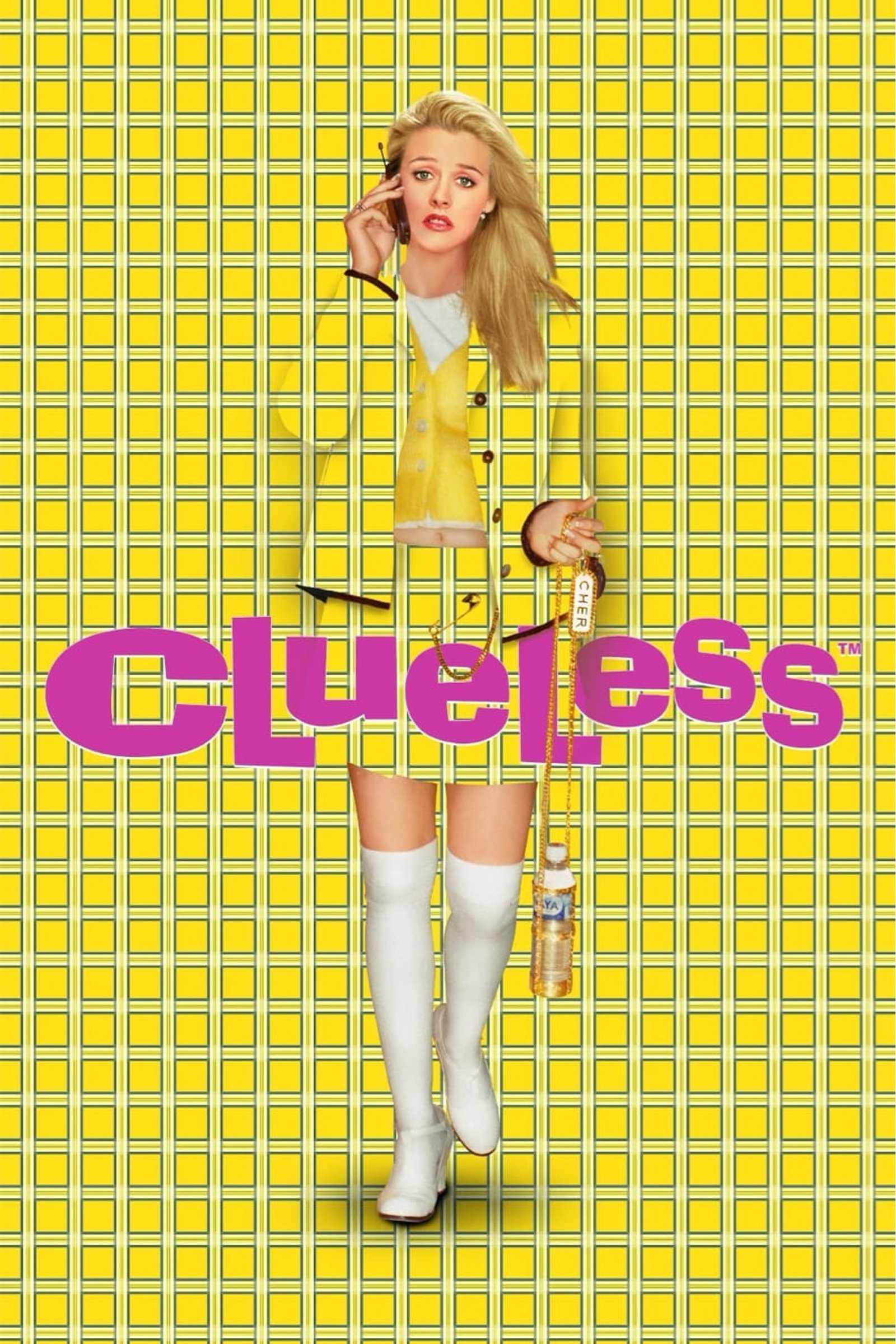
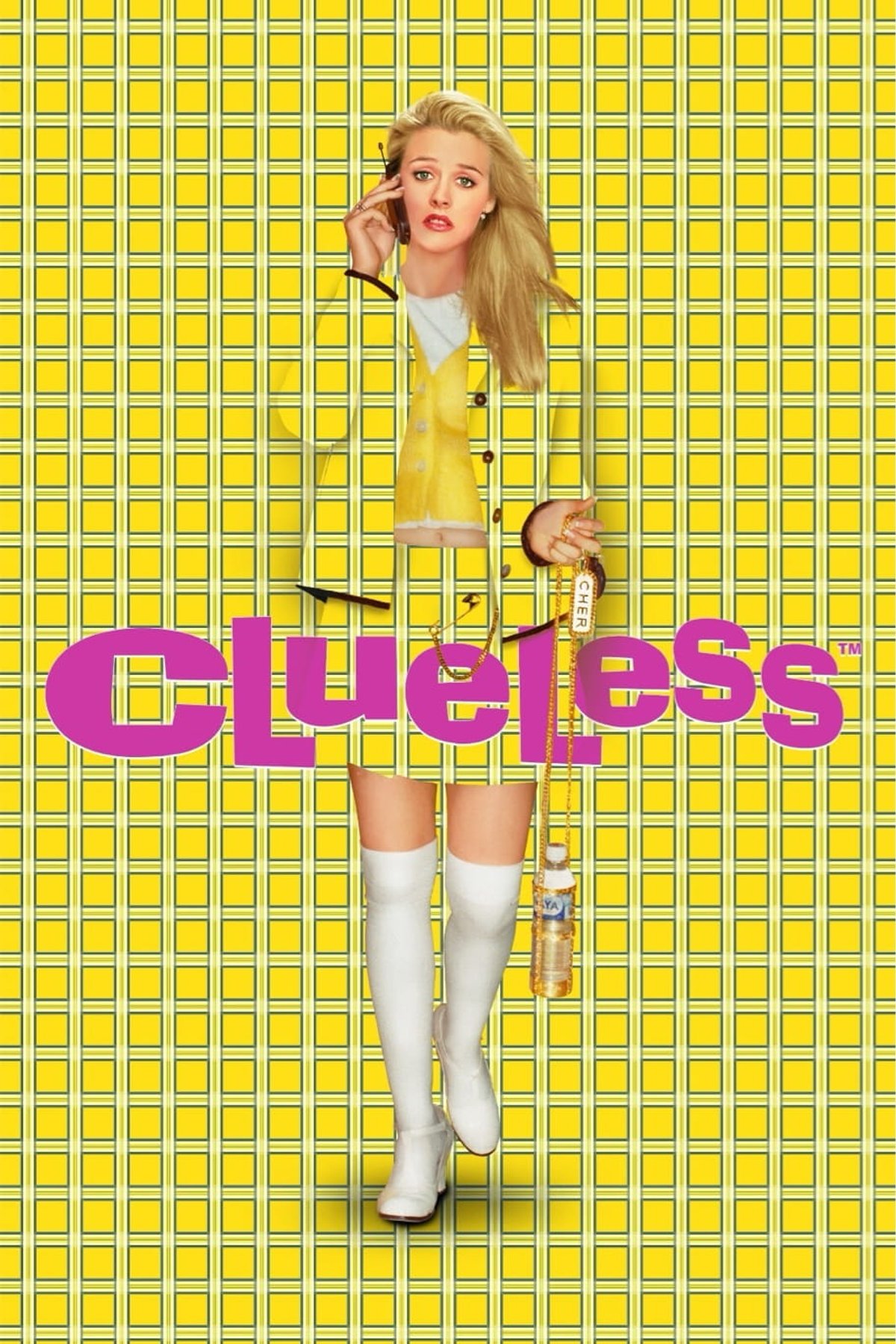
While very different stylistically from minimalist fashion films, Clueless remains one of the most influential style movies ever created.
The wardrobe helped define 1990s youth fashion through plaid tailoring, knee socks, slip dresses and playful colour coordination. Costume designer Mona May created outfits that felt exaggerated enough for cinema while still influencing real-world fashion trends almost immediately.
Decades later, the film continues inspiring runway collections, editorial shoots and social media styling references.
Its impact on fashion in cinema cannot really be overstated.
In The Mood For Love
Wong Kar-wai’s In the Mood for Love remains one of the most visually beautiful films ever made.
The styling, colour palette and cinematography work together with extraordinary precision. Maggie Cheung’s fitted cheongsams became central to the emotional atmosphere of the film, reflecting restraint, longing and elegance simultaneously.
Every frame feels carefully composed like a fashion editorial or painting. Rich reds, deep shadows and slow camera movement create a cinematic mood that has influenced countless photographers and fashion campaigns since.
The film demonstrates how costume and visual atmosphere can become inseparable from emotional storytelling.
The Matrix
Very few films have influenced streetwear and contemporary fashion culture as dramatically as The Matrix.
Long black leather coats, narrow sunglasses and monochrome futuristic tailoring became instantly iconic following the film’s release. The aesthetic helped shape late 1990s and early 2000s fashion while continuing to influence runway collections decades later.
Designers still regularly reference the film’s sleek dystopian styling because it feels both cinematic and wearable simultaneously.
Its influence can still be seen today across luxury streetwear and minimalist fashion culture.
Call Me By Your Name
Sometimes the most stylish films are the quietest ones.
Call Me By Your Name became hugely influential not because of extravagant fashion, but because of how naturally clothing reflected mood and atmosphere. Loose linen shirts, relaxed shorts, faded colours and effortless summer dressing created a visual world audiences deeply connected with emotionally.
The styling felt authentic rather than overly designed, which made it even more aspirational.
The film also reflects fashion’s wider movement towards softer luxury and understated dressing in recent years.
Casino
Martin Scorsese’s Casino represents fashion excess at its most visually compelling.
Bold tailoring, silk shirts, fur coats and dramatic jewellery dominate the film, perfectly capturing the glamour and excess of Las Vegas during the 1970s. Sharon Stone’s wardrobe in particular remains legendary within fashion and costume design circles.
Unlike minimalist style films, Casino embraces maximalism completely. Every outfit feels deliberate, theatrical and larger than life.
Its influence continues appearing within runway styling and luxury fashion editorials exploring glamour and power dressing.
Why Stylish Films Continue To Matter
Fashion trends constantly evolve, but stylish films remain influential because they connect clothing to emotion, atmosphere and identity. Audiences remember how these films made them feel as much as what characters actually wore.
Cinema also allows fashion to become part of storytelling rather than simply image-making. A coat, dress or suit can symbolise confidence, transformation, loneliness or aspiration in ways that resonate deeply with audiences.
This emotional connection explains why iconic movie wardrobes continue inspiring fashion decades after films first release.
The Lasting Relationship Between Fashion And Cinema
Fashion and cinema will likely always remain connected because both industries rely on visual storytelling. Great costume design shapes character and atmosphere while great cinematography transforms clothing into cultural imagery that lasts far beyond the screen itself.
From old Hollywood glamour to contemporary minimalist realism, the most stylish films ever made continue shaping how people dress, photograph, design and imagine style itself.
And ultimately, that lasting influence is what makes them truly timeless.