

the most
Stylish TV Shows Ever Made
Television has always shaped the way people dress, but over the last few decades TV style has evolved into something far more influential than costume design alone. The most stylish television shows create entire visual worlds. They influence fashion trends, redefine interiors, shape beauty aesthetics and inspire generations of creatives long after the final episode airs.
Some shows become cultural landmarks because of their storytelling, while others remain unforgettable because of the atmosphere they create through fashion, colour, architecture and visual identity. Whether through minimalist tailoring, maximalist glamour or effortless everyday dressing, the best TV style becomes part of culture itself.
Today, television has an even greater impact on fashion because streaming platforms and social media allow iconic looks to spread instantly across the world. Audiences no longer simply watch television. They analyse it, reference it and recreate it. Entire fashion trends now emerge directly from television aesthetics.
At Saint and Sofia, storytelling and visual culture remain deeply connected to fashion design. Much like the most stylish television series, modern wardrobes increasingly combine timeless style with individuality, versatility and contemporary city dressing. Here are some of the most stylish TV shows ever made and why their visual influence continues to shape fashion and culture today.
Mad Men And The Return Of Tailoring
Few television series influenced fashion quite like Mad Men. Set during the advertising world of 1960s New York, the show transformed classic tailoring into a modern obsession again.
The visual language of Mad Men relied heavily on structure and precision. Sharp suits, fitted dresses, silk blouses and elegant outerwear reflected an era where clothing communicated ambition and identity. Characters such as Joan Holloway and Betty Draper helped reintroduce polished femininity into mainstream fashion during the late 2000s.
What made the styling so influential was its balance between nostalgia and timelessness. The silhouettes felt period accurate while still appearing modern enough to inspire contemporary wardrobes. The show also contributed to the revival of tailoring across womenswear. Structured dresses, pencil skirts and elevated office dressing became highly desirable again because Mad Men presented them with sophistication and cinematic elegance.
Sex And The City And Fashion As Identity
No television series shaped modern fashion culture more directly than Sex and the City. The show transformed clothing into storytelling itself. Every character communicated personality through fashion, creating a visual identity so strong that the wardrobe became almost as iconic as the plotlines.
Carrie Bradshaw’s styling especially changed the relationship between fashion and television. Her combination of designer pieces, vintage styling and experimental layering made fashion feel expressive rather than purely aspirational.
The influence of Sex and the City extended beyond luxury labels. The show normalised the idea of personal style as a form of self-expression and inspired countless women to experiment more confidently with fashion.
Even decades later, the series continues to shape trends around heels, handbags, tulle skirts and city dressing. It also helped establish New York itself as a fashion fantasy within popular culture.
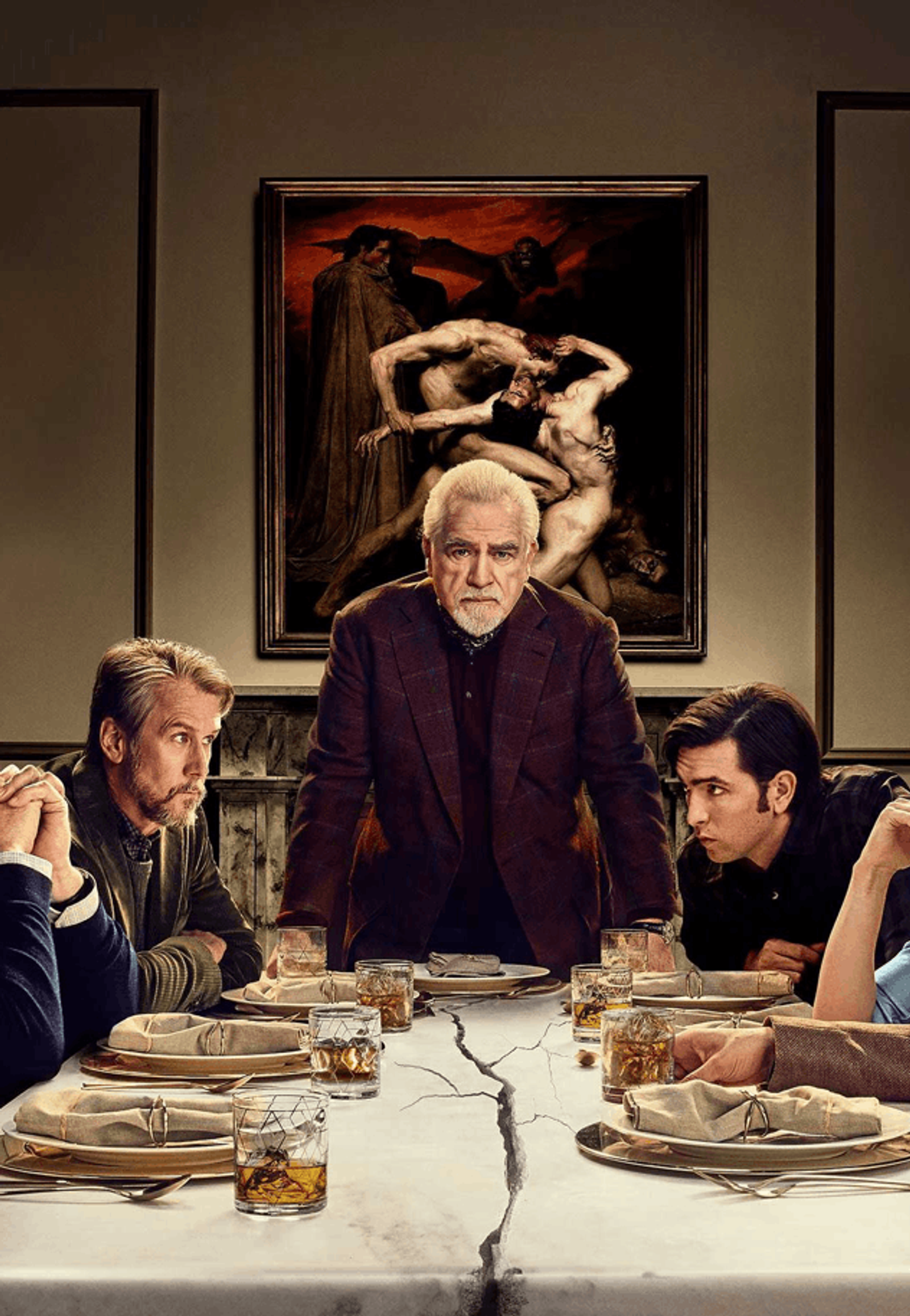
Succession And Quiet Luxury Dressing
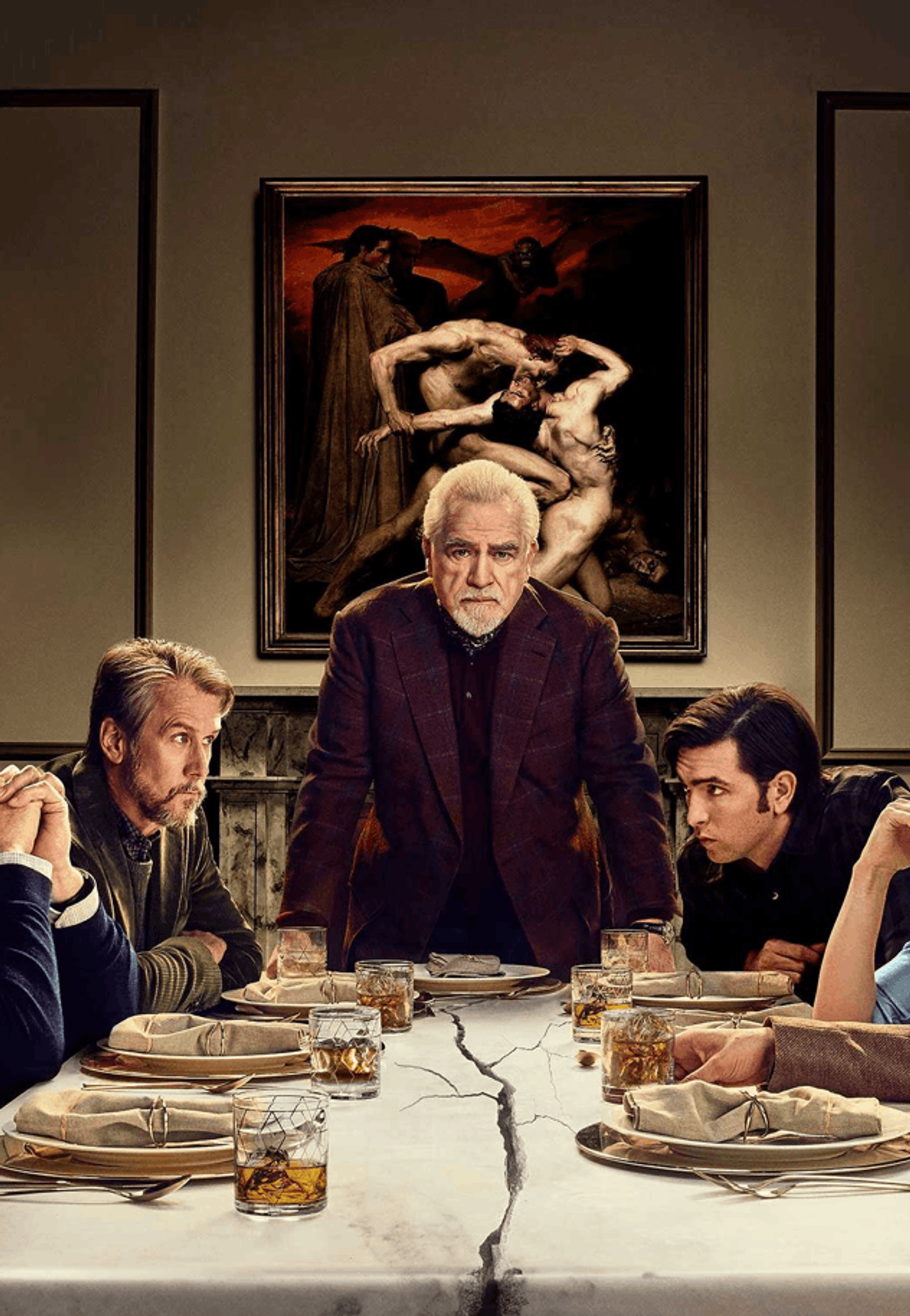
More recently, Succession redefined luxury fashion through understatement. Rather than relying on obvious logos or trend-heavy styling, the show embraced minimalist tailoring, muted palettes and discreet wealth.
Characters wore pieces designed to look expensive without appearing attention-seeking. Cashmere coats, oversized tailoring, baseball caps and soft neutrals created what later became known as quiet luxury fashion.
The styling resonated because it reflected a broader cultural shift away from overt branding and toward timeless design. Audiences became fascinated by the idea that true luxury was communicated through fabric, fit and restraint rather than visible status symbols. This aesthetic strongly influenced contemporary womenswear and menswear alike. Minimalist coats, monochrome dressing and understated accessories all became significantly more desirable following the success of the show.
Friends And Everyday 1990s Style
While Friends may not have been designed as a fashion-forward series, its influence on everyday style has proven remarkably long lasting. Rachel Green in particular became one of the defining style references of the 1990s.
The show captured a version of casual dressing that still feels wearable today. Slip dresses, straight-leg denim, baby tees, oversized shirts and minimalist knitwear all appeared throughout the series in a way that felt effortless rather than overly styled.
Part of what makes Friends so visually enduring is its realism. The wardrobe reflected clothing people could genuinely imagine wearing in daily life, which made the fashion feel accessible and timeless.
Many trends now associated with modern minimalist dressing actually trace back to 1990s television aesthetics popularised by shows like Friends.
Gossip Girl And Maximalist Fashion Fantasy
If Succession represented understated luxury, Gossip Girl represented the complete opposite. The series embraced maximalism, excess and highly stylised fashion moments that defined late 2000s glamour.
Blair Waldorf and Serena van der Woodsen became style icons through entirely different aesthetics. Blair embodied polished Upper East Side elegance while Serena represented bohemian luxury and effortless cool.
The show popularised statement accessories, layered jewellery, tailored coats and designer handbags for an entire generation. It also reinforced the connection between fashion and aspirational city living.
While some of the styling now feels deeply tied to its era, Gossip Girl remains influential because of its confidence and visual consistency. The show understood the power of fashion fantasy and fully committed to creating a glamorous world viewers wanted to escape into.
The Crown And Refined Elegance
The Crown approached style through restraint and historical detail. Rather than trend-driven fashion, the series focused on timeless elegance, tailoring and the subtle relationship between clothing and power.
The costume design reflected changing decades beautifully while maintaining a consistent sense of sophistication. Structured coats, silk scarves, refined evening wear and monochrome palettes all contributed to the visual identity of the series.
The popularity of The Crown coincided with renewed interest in classic British tailoring and heritage dressing. Camel coats, riding boots and understated knitwear all became more visible within fashion editorials and contemporary collections following the show’s success. Its influence also highlighted how timeless style often outlasts trend-driven fashion because it focuses on proportion, quality and refinement rather than novelty.
Euphoria And The Influence Of Beauty Culture
Few modern shows have influenced beauty and fashion culture as rapidly as Euphoria. Unlike more classic examples of television style, Euphoria embraced experimentation, youth culture and hyper-visual aesthetics.
The show’s influence spread almost instantly through social media. Glitter makeup, cut-out silhouettes, bold colour palettes and expressive styling became globally recognisable trends within months.
What made Euphoria significant was not only its fashion but its understanding of visual identity in the digital era. Every frame felt designed to circulate online, reflecting how modern audiences increasingly consume fashion through images rather than traditional media alone. The series also demonstrated how television styling now directly shapes beauty trends alongside fashion itself.
Peaky Blinders And Heritage Style
Peaky Blinders revived interest in heritage tailoring and vintage menswear through its dark, cinematic aesthetic. Three-piece suits, wool overcoats, textured fabrics and sharp silhouettes became central to the show’s identity.
Its influence extended far beyond costume design. Tailoring brands, barbershops and fashion editorials all embraced elements of the show’s aesthetic following its success.
The appeal of Peaky Blinders came partly from its atmosphere. The styling felt rugged yet elegant, combining historical authenticity with modern cinematic cool. This balance between heritage and contemporary styling remains highly influential across both fashion and interior design today.
Why Stylish TV Shows Matter So Much
Fashion in television matters because visual storytelling shapes cultural memory. People often remember how a show felt visually as much as they remember the plot itself. The most stylish TV shows create entire worlds audiences want to inhabit. Clothing, interiors, music and cinematography combine to form an atmosphere that influences culture far beyond the screen.
Television also makes fashion feel emotional and personal. Viewers associate certain outfits or aesthetics with characters, relationships and moments, giving the style deeper meaning than traditional advertising often can.
This emotional connection is why television continues to shape trends so powerfully. Fashion becomes part of storytelling rather than existing separately from it.
The Relationship Between Fashion And Storytelling
At its best, fashion communicates character before dialogue even begins. A silhouette, colour palette or styling choice can reveal personality, ambition, vulnerability or status instantly.
The most stylish television series understand this relationship deeply. Their wardrobes are not simply decorative. They are part of the storytelling itself.
At Saint and Sofia, storytelling continues to play a central role in how collections are designed and presented. Fashion becomes more meaningful when it reflects real lifestyles, emotions and cultural influences rather than temporary trends alone. This connection between narrative and design is one reason television continues to inspire modern fashion so strongly.
Why Stylish Television Still Influences Fashion Today
In the streaming era, television has become more visually influential than ever before. Audiences consume imagery constantly through social media, making strong visual identity essential for cultural impact.
Shows with distinctive aesthetics now shape:
fashion trends beauty culture interior design travel inspiration music visuals digital branding
The most stylish TV shows endure because they offer more than entertainment. They create visual languages that people continue referencing long after the series ends.
Whether through minimalist tailoring, maximalist glamour or understated luxury, television style remains one of the most powerful forces shaping contemporary fashion today. And the most iconic shows prove that great style is never only about clothing alone. It is about atmosphere, identity and the worlds we imagine ourselves living in.