


the
Return Of Analog Photography
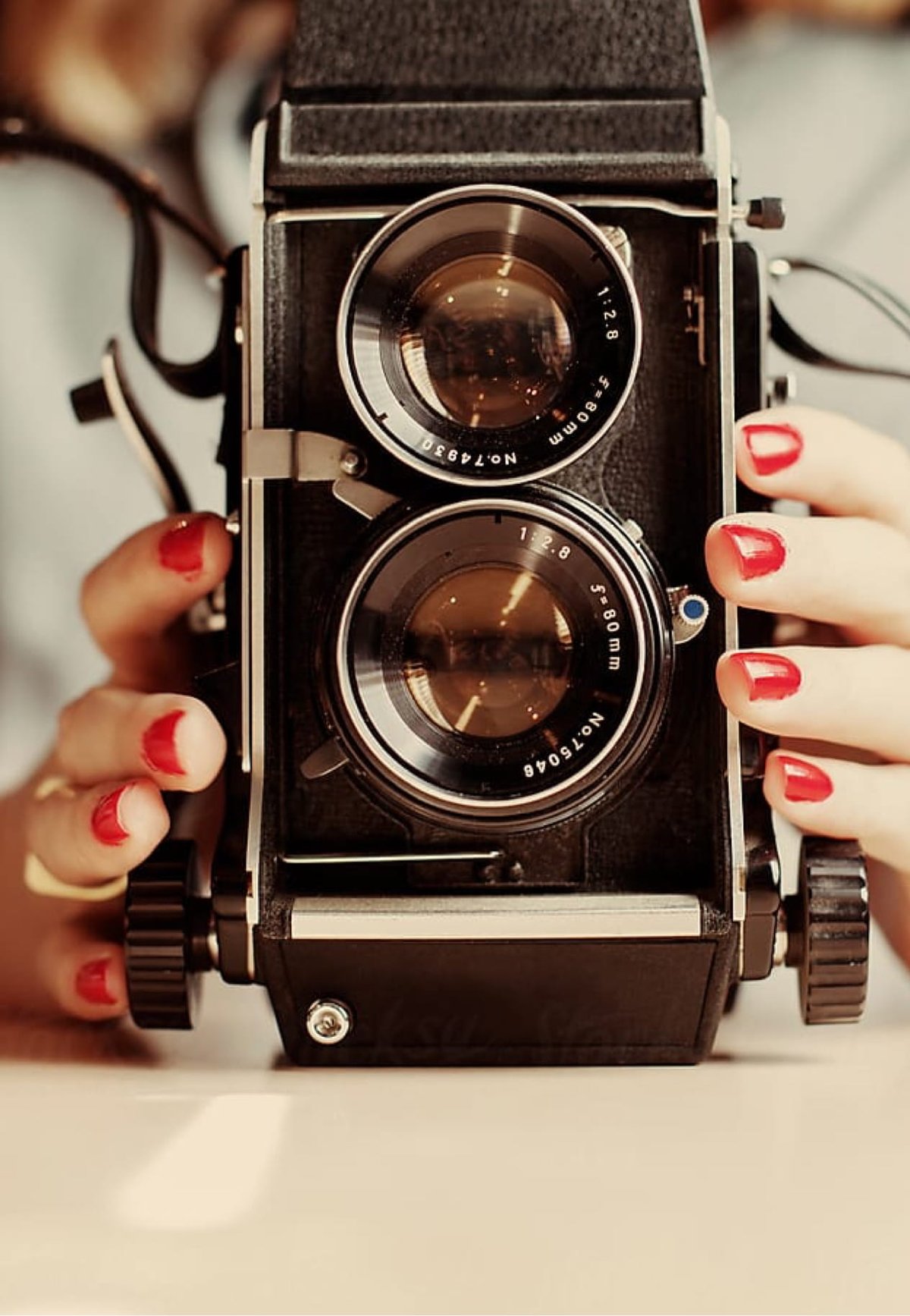
In an era dominated by smartphones, artificial intelligence and endless digital imagery, analog photography is experiencing an unexpected revival. Across fashion, art and creative culture, photographers are increasingly returning to film cameras, darkrooms and slower image-making processes that many once assumed would disappear completely.
Part of the appeal lies in imperfection. Grain, blur, light leaks and softness all create images that feel emotional and human in ways digital photography sometimes struggles to replicate. Analog photography also encourages patience and intention. Every frame matters because film is limited, which fundamentally changes how photographers approach composition, lighting and storytelling.
Today, film photography trends are shaping fashion editorials, campaign imagery, social media aesthetics and creative photography culture more than ever before. What was once considered nostalgic has now become one of the defining visual aesthetics of contemporary creativity.
Why Film Feels Different
There is something immediately recognisable about analog photography.
Film captures light differently from digital cameras, producing softer textures, richer shadows and a more organic sense of colour. Skin appears more natural. Movement feels less clinical. Even imperfections become part of the atmosphere rather than flaws needing correction.
This emotional quality is one of the biggest reasons photographers continue returning to film. Analog imagery often feels quieter and more intimate because it captures moments with less precision but more emotion.
In fashion especially, this softness has become increasingly desirable. Editorial campaigns now frequently embrace grain, blur and imperfect lighting because audiences increasingly respond to imagery that feels authentic rather than overly polished.
The Reaction Against Digital Perfection
Part of the resurgence of analog photography reflects a wider cultural reaction against hyper-perfected digital imagery.
Over the past decade, social media created an environment where photography became increasingly filtered, sharpened and algorithmically optimised. Images often began feeling interchangeable regardless of who created them.
Film photography offers the opposite experience. Every camera, lens and roll of film behaves slightly differently, introducing unpredictability into the process. Photographers cannot instantly review images or endlessly reshoot moments. Instead, they rely more heavily on instinct, timing and atmosphere.
This unpredictability creates images that often feel more emotionally resonant and visually distinctive.
Fashion’s Long Relationship With Film
Fashion photography has always been closely connected to analog processes.
Some of the most influential fashion photographers in history built their visual identities entirely through film. Peter Lindbergh, Corinne Day and Paolo Roversi all used analog photography to create imagery that felt raw, cinematic and emotionally layered.
Today, younger photographers continue drawing inspiration from these visual aesthetics while adapting them for contemporary audiences. Many fashion campaigns now deliberately reference older editorial photography through grain, muted colour palettes and documentary-style composition.
The return of film photography trends also reflects fashion’s wider interest in nostalgia, craftsmanship and slower creative processes.
Analog Photography And Youth Culture
Interestingly, much of the analog revival is being driven by younger generations who did not originally grow up using film cameras.
For many creatives, film photography feels exciting precisely because it slows image-making down. In contrast to the instant nature of smartphones, analog photography introduces anticipation and physicality back into the creative process. You wait to develop images. You accept mistakes. You become more selective about what deserves to be photographed.
This slower rhythm feels increasingly valuable within modern visual culture.
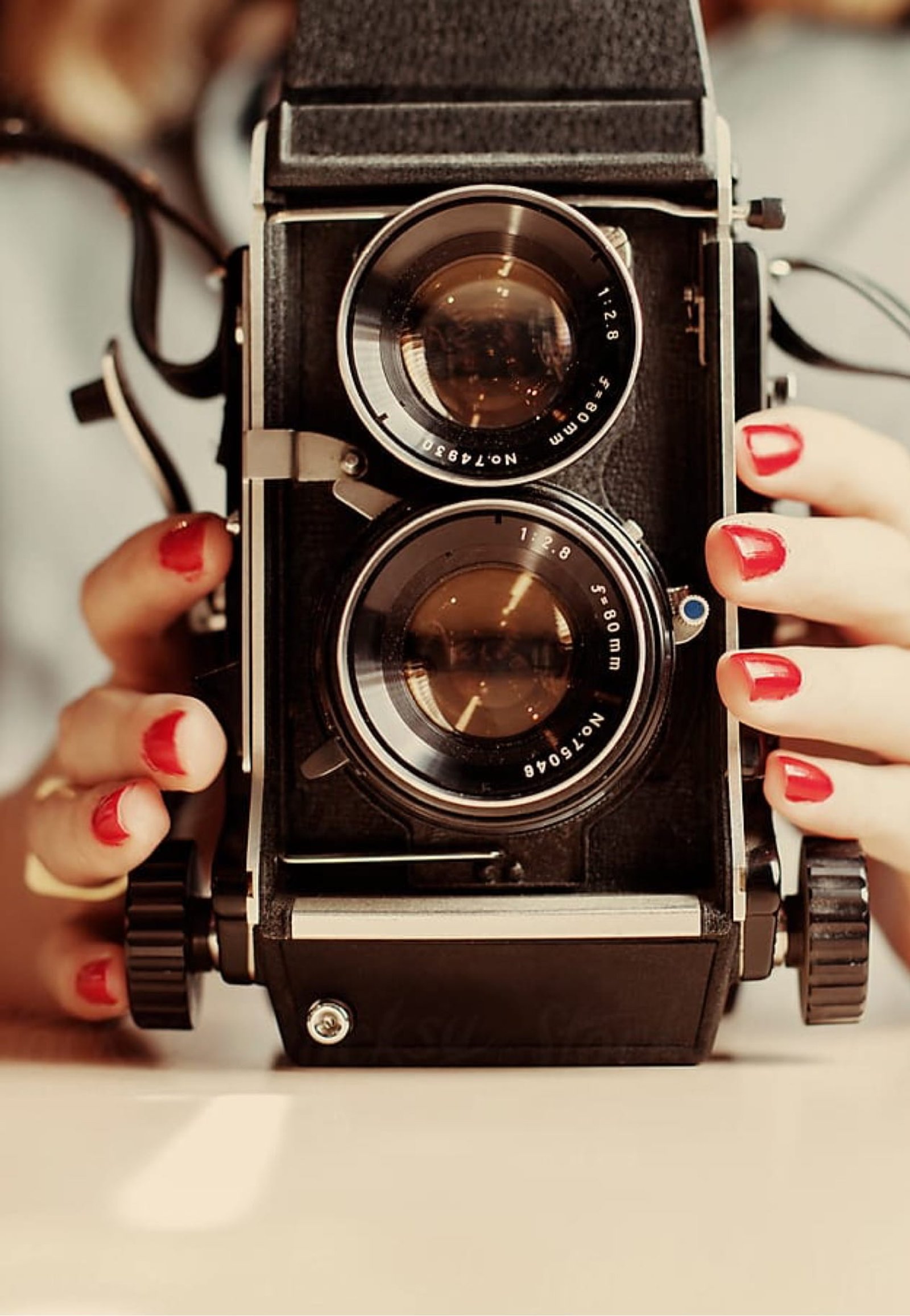
Vintage cameras have also become cultural objects themselves. Compact point-and-shoot cameras, disposable cameras and old 35mm models now appear frequently within fashion campaigns, street style photography and social media content.
The Influence On Visual Aesthetics
The resurgence of analog photography has influenced far more than photography alone.
Fashion editorials increasingly embrace washed-out colours, grain and imperfect composition. Luxury campaigns often mimic the spontaneity of old documentary photography. Music videos and films also regularly reference analog textures and cinematic lighting associated with film imagery.
Even digital photography frequently attempts to recreate analog aesthetics through editing and colour grading.
This shift reflects a broader cultural desire for warmth, texture and emotional imperfection within visual storytelling.
Why Film Encourages Better Observation
One of the most interesting aspects of analog photography is the way it changes observation itself.
With limited exposures available, photographers become more attentive to detail, lighting and composition before pressing the shutter. This creates a more thoughtful relationship with image-making compared to the speed of digital photography.
Many photographers describe film as encouraging presence and patience. You notice shadows, movement and atmosphere differently because you are forced to slow down.
This approach often produces imagery that feels more considered and emotionally connected to the subject itself.
The Return Of Print And Physical Media
The analog revival also connects closely to the wider return of physical creative formats.
Vinyl records, printed magazines, photo books and film cameras all reflect growing interest in tactile experiences within digital culture. People increasingly value objects and processes that feel tangible, collectible and crafted.
Photography books and printed editorials remain hugely influential within fashion and creative industries because physical imagery creates a different emotional experience from scrolling through screens.
Film photography naturally aligns with this movement towards slower and more physical creative consumption.
Analog In The Modern Creative Landscape
Importantly, the return of analog photography does not mean digital photography is disappearing. Instead, the two now coexist within modern creative culture.
Digital technology remains essential for speed, accessibility and large-scale production. However, analog photography offers something emotionally different. It creates atmosphere, texture and unpredictability that many creatives increasingly crave.
The most interesting photographers today often move fluidly between both worlds, combining digital precision with analog emotion depending on the project itself.
Why Analog Still Matters
Ultimately, the return of analog photography reflects something deeper than nostalgia alone. It represents a growing desire for creativity that feels slower, more tactile and more emotionally human within an increasingly digital world.
Film photography encourages patience, observation and imperfection. It reminds people that visual storytelling is not only about technical perfection but also about mood, atmosphere and emotional connection.
And perhaps that is why analog photography feels more relevant than ever right now. In a world filled with endless images, photographs that feel personal, textured and imperfect often become the ones people remember most.