

the
Return Of Personal Style
Fashion has always moved in cycles, but the last decade felt unusually uniform.
Scroll through social media from the late 2010s and early 2020s and the visual language becomes instantly familiar. Neutral blazers. White trainers. Tonal knitwear. Minimal jewellery. Quiet luxury interiors. The same silhouettes repeated endlessly through carefully curated feeds. Trends travelled globally at such speed that entire wardrobes started feeling strangely interchangeable.
Everyone looked stylish. Few people looked distinctive.
Now, however, fashion feels different again.
There is a growing sense that people are becoming less interested in dressing according to trends and more interested in dressing according to instinct. Outfits feel more layered, more personal and slightly less polished. Vintage has moved from niche obsession into everyday dressing. Jewellery feels sentimental rather than perfectly coordinated. People are mixing tailoring with sportswear, archive pieces with contemporary basics and expensive items with secondhand finds.
Style feels less controlled.
And that may be exactly why fashion suddenly feels exciting again.
The Internet Created Aesthetic Dressing
Social media changed fashion completely because it transformed the way people consumed visual inspiration.
Previously, style evolved more slowly through magazines, films, music scenes, subcultures and real life observation. Trends still existed, but they moved gradually. Personal style often developed through years of experimentation and cultural influence.
The internet accelerated everything.
Platforms such as Instagram and TikTok rewarded immediacy and visual clarity. Outfits needed to communicate quickly through screens. Certain aesthetics naturally performed better online because they photographed cleanly and looked aspirational inside digital feeds.
Soon fashion became increasingly aesthetic-driven.
Entire identities formed around highly specific visual categories. Minimalism. Coastal style. Old money dressing. Balletcore. Office siren. Every look arrived with its own styling rules, colour palettes and product recommendations.
Fashion became more accessible than ever before, but also more formulaic.
When Everyone Dresses The Same
Eventually, aesthetic dressing created fatigue.
The more trends accelerated, the more fashion began feeling repetitive. Social media feeds blurred together into endless variations of the same outfit formulas. The same trousers appeared across countless wardrobes. The same accessories dominated every season. Even individuality started looking strangely standardised.
This affected luxury fashion too.
Quiet luxury became one of the defining aesthetics of the early 2020s precisely because it reflected wider cultural exhaustion. After years of loud logos and trend saturation, people wanted calmness and simplicity. Soft tailoring, understated dressing and tonal wardrobes felt emotionally reassuring during an overstimulated period.
But eventually minimalism itself became another form of uniform.
Fashion lost some of its unpredictability.
Personal Style Never Completely Disappeared
Importantly, personal style never vanished entirely. It simply became harder to notice beneath the speed and visibility of trend culture.
Some people continued dressing instinctively regardless of online aesthetics. Fashion editors, artists, musicians and vintage collectors often maintained wardrobes shaped more by experience and personality than algorithms. These individuals remained compelling because they looked emotionally connected to their clothing rather than strategically styled for digital approval.
Increasingly, consumers are rediscovering the appeal of that authenticity.
People are realising that the most stylish wardrobes are rarely the most trend-driven ones. Instead, they are usually built gradually over time through repetition, instinct and emotional attachment.
True personal style rarely looks perfect.
That imperfection is what makes it interesting.
Vintage Changed The Mood
Vintage fashion has become central to this shift because it naturally disrupts uniformity.
When people buy vintage, they shop differently. The process feels slower, more instinctive and more emotional than trend consumption. A vintage coat or worn leather bag often carries personality that newer products struggle to replicate.
Vintage also creates individuality automatically.
Two people may own similar tailoring or denim, but a vintage piece introduces unpredictability into an outfit. Styling becomes more personal because wardrobes are built through discovery rather than direct replication.
This has transformed the way younger consumers approach fashion. Instead of constantly replacing wardrobes according to trends, many people now build collections of clothing gradually through emotional connection.
Fashion becomes less disposable when attached to memory and personality.
The Return Of Emotional Dressing
One of the biggest changes happening right now is that people are dressing emotionally again.
For years, fashion often felt highly strategic. Outfits were designed to fit aesthetics, photograph well online or signal trend awareness. Increasingly, consumers seem more interested in how clothing feels emotionally rather than how it performs digitally.
This shift can be seen across every area of fashion.
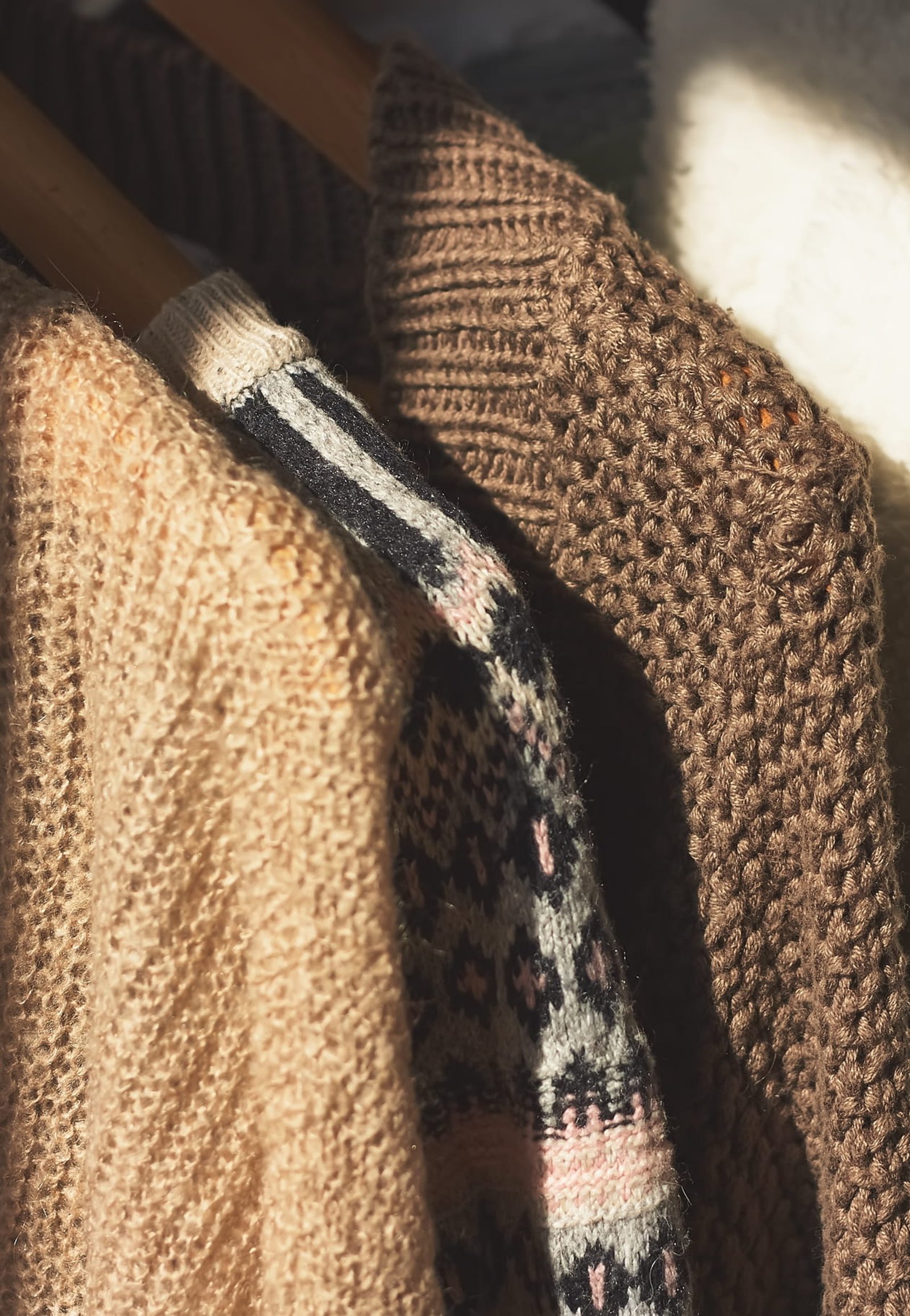
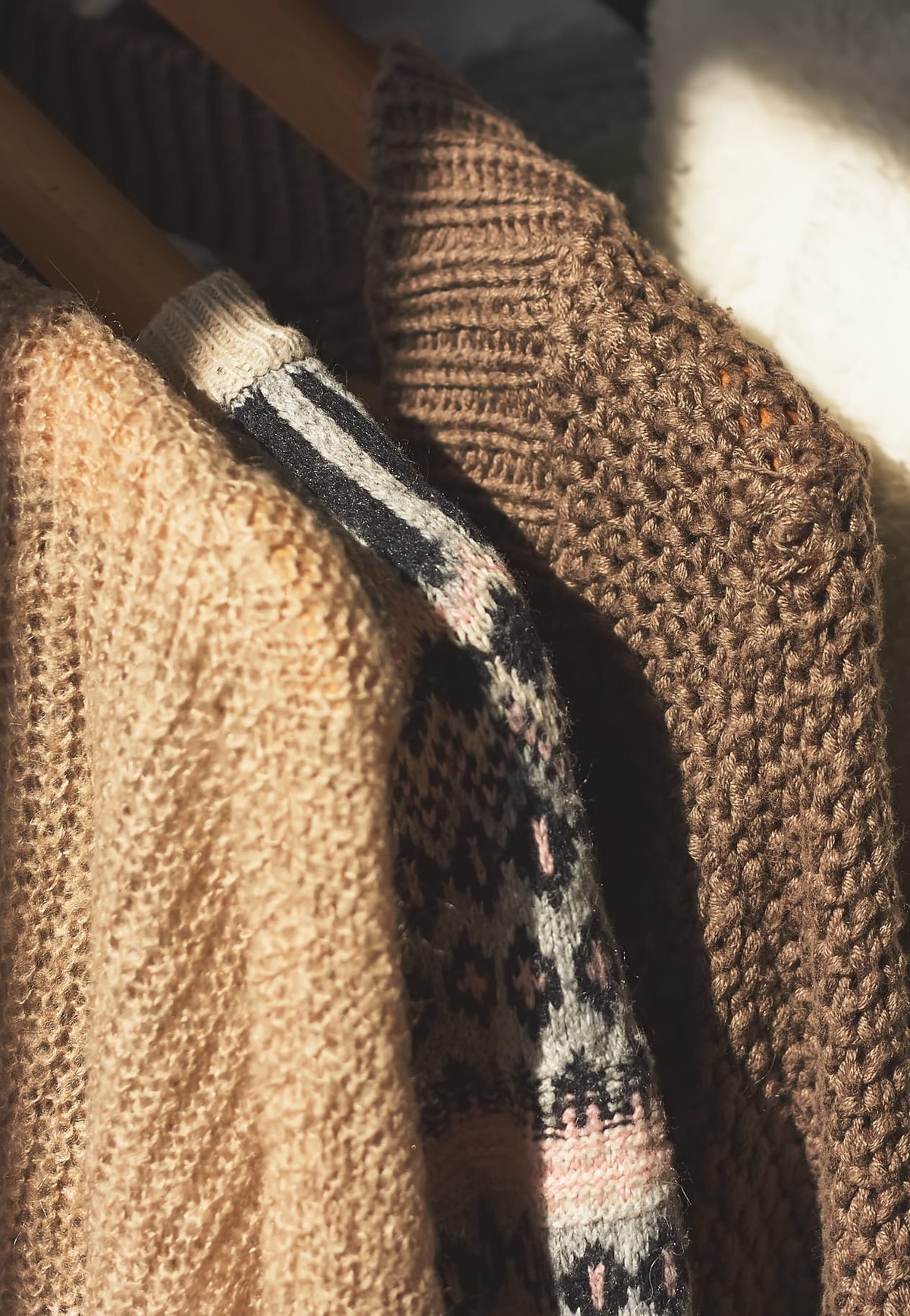
Jewellery feels more personal and layered. Knitwear looks softer and slightly lived-in. Tailoring appears relaxed rather than rigidly styled. Colour palettes feel warmer and less controlled. Even beauty and hair styling have become less polished overall.
Fashion is moving away from perfection towards atmosphere.
That emotional softness feels significant because it suggests consumers are becoming more comfortable expressing individuality again without needing aesthetic precision.
Real Life Changed Fashion Too
Modern life itself has also encouraged the return of personal style.
Traditional fashion categories matter less than before. Workwear overlaps with casualwear. People move between offices, cafés, travel and home throughout the same day. Wardrobes now need flexibility and emotional comfort rather than strict occasion dressing.
This naturally creates more instinctive styling.
Consumers increasingly build wardrobes around how they actually live rather than around trend categories. Elevated basics, relaxed tailoring and versatile pieces dominate because they support everyday life while still allowing room for individuality.
Fashion becomes more personal when it reflects real routines rather than idealised aesthetics.
Why Individuality Feels Luxurious Again
Interestingly, individuality itself now feels aspirational in a way it perhaps did not during peak social media trend culture.
When algorithms dominate style, originality becomes increasingly valuable. The people who stand out most today are often those who appear emotionally comfortable in their own aesthetic rather than perfectly aligned with trends.
Consumers increasingly admire wardrobes that feel collected rather than purchased all at once.
This explains why certain cultural figures resonate so strongly right now. Designers, artists, editors and musicians with highly distinctive style identities feel compelling because they appear genuine rather than optimised.
Fashion is rediscovering the appeal of personality.
The Rise Of Softer Luxury
Luxury fashion has also evolved alongside this shift.
For years, luxury often relied heavily on visibility and status signalling. Today, many consumers value softness, texture and emotional wearability more than overt display. Beautiful fabrics, thoughtful tailoring and understated pieces increasingly communicate refinement more effectively than logos or trend-heavy styling.
This softer approach to luxury creates space for individuality.
Rather than forcing consumers into highly recognisable aesthetic codes, modern luxury often works best when integrated naturally into personal wardrobes. Clothing becomes part of identity rather than performance.
That subtlety feels increasingly modern.
Cities Feel More Stylish Again
One unexpected effect of this return to personal style is that cities themselves feel more visually interesting again.
During the height of trend culture, street style often looked remarkably similar across major cities. Now there is greater variation. London feels different from Copenhagen. Paris feels different from New York. Individual neighbourhoods even develop their own visual energy again.
This diversity creates excitement.
Fashion becomes culturally richer when people dress according to environment, lifestyle and personality rather than global algorithms alone. Independent cafés, galleries, nightlife scenes and creative communities all influence style more naturally when fashion reconnects with real life culture.
Why This Moment Feels Hopeful
The return of personal style feels hopeful because it reflects something broader than fashion alone.
People appear increasingly tired of constant performance and visual conformity online. They want individuality, warmth and emotional authenticity in the things they wear, buy and surround themselves with.
Fashion is responding to that desire.
Importantly, this shift does not reject beauty or aspiration. Instead, it redefines them. Style now feels more compelling when it appears instinctive rather than overly curated. Imperfection feels more attractive than polish. Personality matters more than aesthetic purity.
The mood is less about dressing correctly and more about dressing honestly.
Fashion Feels Human Again
Ultimately, the return of personal style signals a wider cultural shift towards individuality and emotional connection.
Fashion still moves through trends and cycles, but consumers increasingly seem less interested in following aesthetics rigidly and more interested in building wardrobes that actually reflect who they are.
That change feels important.
The best fashion has always emerged from personality, contradiction and instinct rather than perfect conformity. Real style is rarely completely polished because real people are not completely polished either.
Perhaps that is why fashion suddenly feels more exciting right now. It feels less controlled. Less predictable. Less optimised for algorithms.
Fashion feels human again.
And after years of sameness, that humanity feels refreshing.