

the ultimate
Guide To Fashion In Cinema
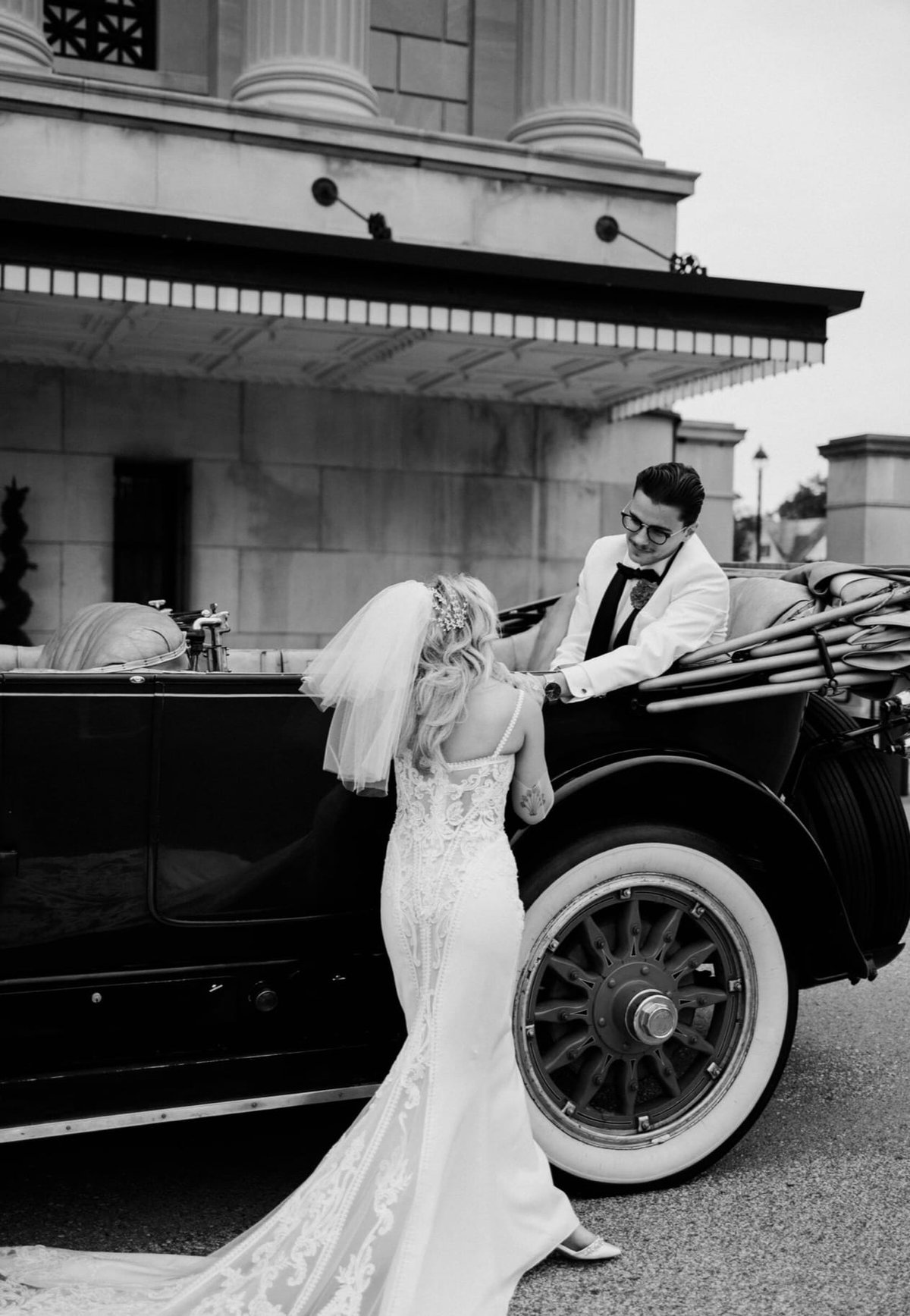
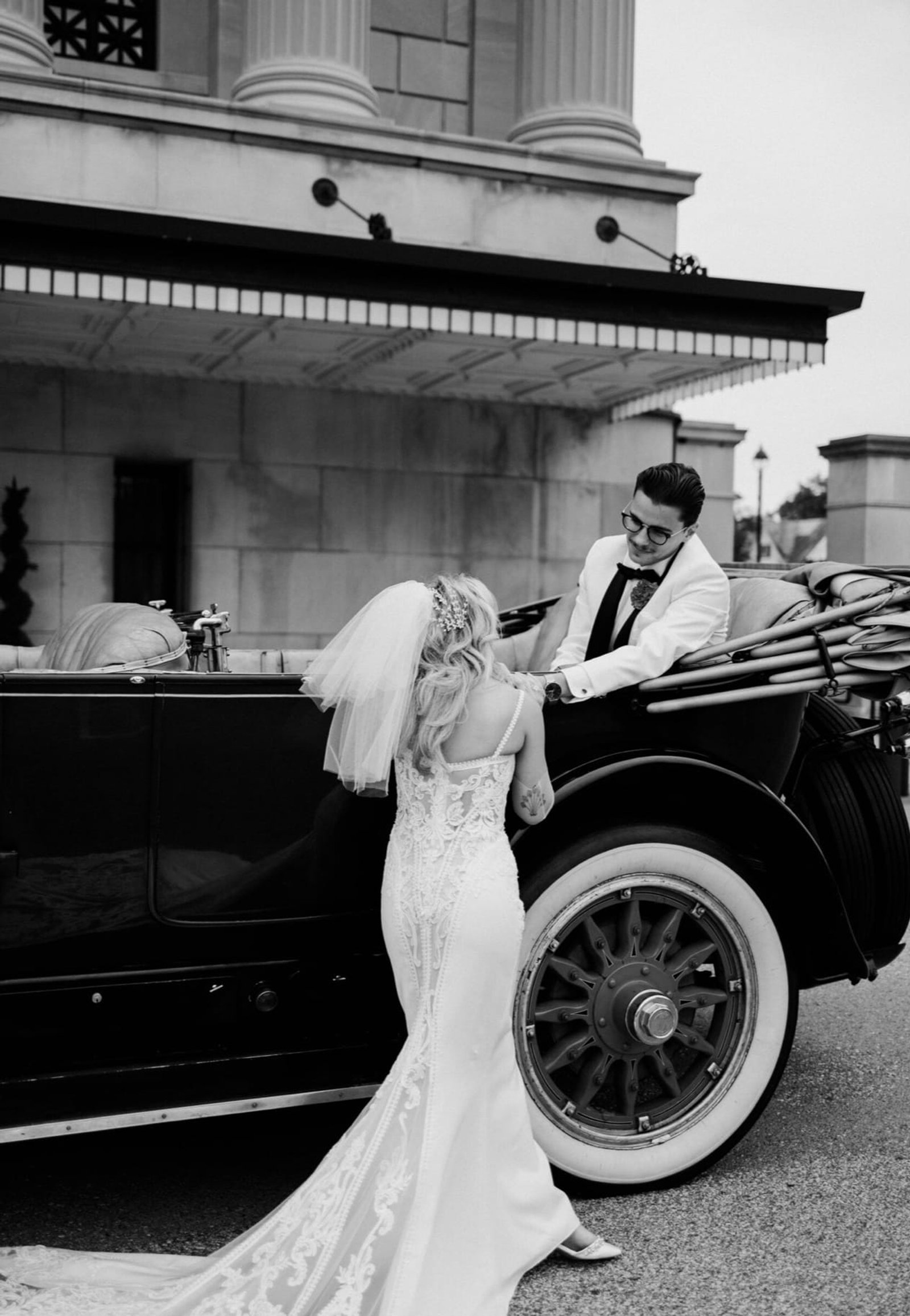
Fashion and cinema have always shared a powerful relationship. Both industries are built around visual storytelling, emotion and identity. Long before social media and digital campaigns transformed how people consumed style, films shaped global fashion trends through unforgettable characters, extraordinary costume design and iconic fashion moments that still influence culture decades later.
Some films become legendary not simply because of plot or performance, but because of what people wore within them. A perfectly tailored coat, a black slip dress or a sharply cut suit can become permanently connected to an entire cinematic era. Costume design films have the ability to define generations of style while simultaneously capturing the mood of the world around them.
Today, fashion movies continue to inspire designers, photographers, stylists and creatives across every part of the industry. From old Hollywood glamour to modern minimalist dressing, cinema remains one of fashion’s greatest sources of inspiration.
Why Fashion Matters In Film
Costume design is never purely decorative. In great cinema, clothing helps communicate personality, status, emotion and transformation before characters even speak.
A carefully chosen silhouette can instantly establish confidence, rebellion, vulnerability or power. Colours, fabrics and styling choices all contribute to how audiences emotionally connect with a character and understand the world they inhabit.
Some of the most memorable fashion moments in cinema work because they feel deeply tied to storytelling itself. Holly Golightly’s black Givenchy dress in Breakfast at Tiffany’s reflected elegance and aspiration. Neo’s long black coats in The Matrix became symbols of rebellion and futurism. The understated tailoring in American Gigolo redefined masculine luxury during the 1980s.
Fashion in film shapes not only how audiences remember movies, but often how entire decades are visually remembered.
The Golden Age Of Hollywood Glamour
Many of cinema’s earliest fashion influences emerged during Hollywood’s golden age. Studios understood the aspirational power of costume design and worked closely with designers to create unforgettable screen wardrobes.
Actresses such as Audrey Hepburn, Grace Kelly and Marilyn Monroe became global style references through their film appearances. Hepburn’s collaboration with Hubert de Givenchy remains one of the most influential relationships between fashion and cinema ever created.
Films from this era often presented fashion as fantasy. Satin gowns, opera gloves, tailored suiting and dramatic eveningwear reflected post-war glamour and sophistication. These visual codes still influence luxury fashion campaigns today.
The impact of old Hollywood also continues within modern red carpet culture, where references to vintage silhouettes and cinematic elegance remain constant.
Fashion Movies That Changed Culture
Certain films moved beyond costume design and actively changed the direction of fashion itself.
The Devil Wears Prada became one of the defining fashion movies of the modern era because it revealed the industry through a glossy but emotionally recognisable lens. The wardrobe helped transform the central character from uncertain assistant to confident creative professional, making fashion integral to the story’s emotional arc.
Clueless helped define 1990s youth fashion through plaid tailoring, knee socks and hyper-stylised Beverly Hills dressing. Decades later, the film still influences runway collections and social media styling references.
Meanwhile, Sex and the City blurred the line between television and fashion editorial culture entirely. Patricia Field’s styling transformed designer accessories and statement dressing into mainstream cultural obsession.
Films like these demonstrate how cinema can push fashion directly into public consciousness.
The Role Of Costume Designers
Behind every iconic fashion moment in film sits a costume designer shaping the visual identity of the story.
Costume designers operate somewhere between fashion designer, historian and psychologist. Their work requires understanding narrative, character development, fabric, movement and visual composition simultaneously.
Designers such as Edith Head, Milena Canonero, Sandy Powell and Jacqueline Durran have created some of cinema’s most influential wardrobes. Their work extends far beyond aesthetics into storytelling itself.
Jacqueline Durran’s costumes for Atonement created one of the most famous dresses in modern cinema history through Keira Knightley’s green silk gown. Sandy Powell’s work across films such as The Favourite and Shakespeare in Love demonstrates how costume can feel historically grounded while still emotionally modern.
The best costume design films often succeed because clothing feels inseparable from character and atmosphere.
Minimalism And Modern Cinema
While classic cinema often embraced glamour and spectacle, more recent fashion films increasingly explore minimalism and realism.
The understated tailoring in films by directors such as Luca Guadagnino or Sofia Coppola reflects contemporary fashion’s movement towards softer luxury and natural styling. Clothing in these films often feels effortless rather than overtly styled, mirroring how modern audiences increasingly engage with fashion itself.
Films such as Call Me By Your Name became influential not because of extravagant wardrobes, but because the clothing felt emotionally authentic. Loose linen shirts, relaxed tailoring and sun-faded colours captured a mood audiences wanted to inhabit.
This shift reflects broader changes in fashion culture, where aspiration increasingly comes through atmosphere and lifestyle rather than obvious luxury.
Fashion Houses And Cinema
Luxury fashion brands have long understood cinema’s cultural power. Throughout history, fashion houses have collaborated closely with filmmakers, actors and costume designers to shape visual identity both on and off screen.
Givenchy’s relationship with Audrey Hepburn helped establish the house globally during the 1950s and 1960s. Armani’s tailoring in films like American Gigolo transformed perceptions of modern menswear. More recently, brands such as Prada, Chanel and Saint Laurent have actively funded film projects and worked directly with directors.
Fashion campaigns themselves increasingly borrow cinematic language through narrative storytelling, dramatic lighting and character-driven imagery.
At the same time, many filmmakers continue drawing inspiration from fashion photography and runway aesthetics. The relationship now moves fluidly in both directions.
Cinema’s Influence On Personal Style
One reason fashion in cinema remains so powerful is because audiences emotionally connect with characters before they connect with clothing itself.
People rarely remember every detail of a runway collection, but they remember how certain films made them feel. The clothes become tied to mood, identity and aspiration.
Someone might start wearing oversized tailoring because of a film noir aesthetic or become drawn towards minimalist dressing after watching 1990s independent cinema. Fashion inspiration through film often feels more emotional and instinctive than trend-based.
This emotional connection explains why iconic fashion moments continue resurfacing across generations. Cinema allows style to become part of storytelling and memory rather than simply consumption.
The Rise Of Fashion Documentaries
Alongside fictional cinema, fashion documentaries have become increasingly important cultural references. Films exploring designers, magazines and creative industries now attract audiences far beyond fashion itself.
Documentaries such as The September Issue, McQueen, High and Low: John Galliano and Dior and I reveal the artistry, pressure and collaboration behind fashion creation. They help audiences understand the emotional and creative realities behind the finished image.
These films also demonstrate how closely fashion and cinema now overlap visually. Many modern fashion documentaries feel as cinematic and emotionally layered as fictional films.
Why Fashion And Cinema Continue To Inspire Each Other
Ultimately, fashion and cinema remain connected because both industries explore identity, transformation and imagination through visual language.
Great films use costume not simply to dress characters, but to deepen emotion and shape atmosphere. Great fashion similarly tells stories through silhouette, texture, colour and image-making.
As audiences increasingly seek inspiration through mood and storytelling rather than traditional trends, cinema continues to influence fashion in profound ways. From old Hollywood glamour to modern minimalist realism, the relationship between film and style remains one of the most enduring and creatively rich partnerships in visual culture.
For designers, photographers, stylists and anyone passionate about creativity, fashion movies remain an endless source of inspiration. Not simply for what people wear, but for the worlds those clothes help create.