

why
Fashion Feels Exciting Again
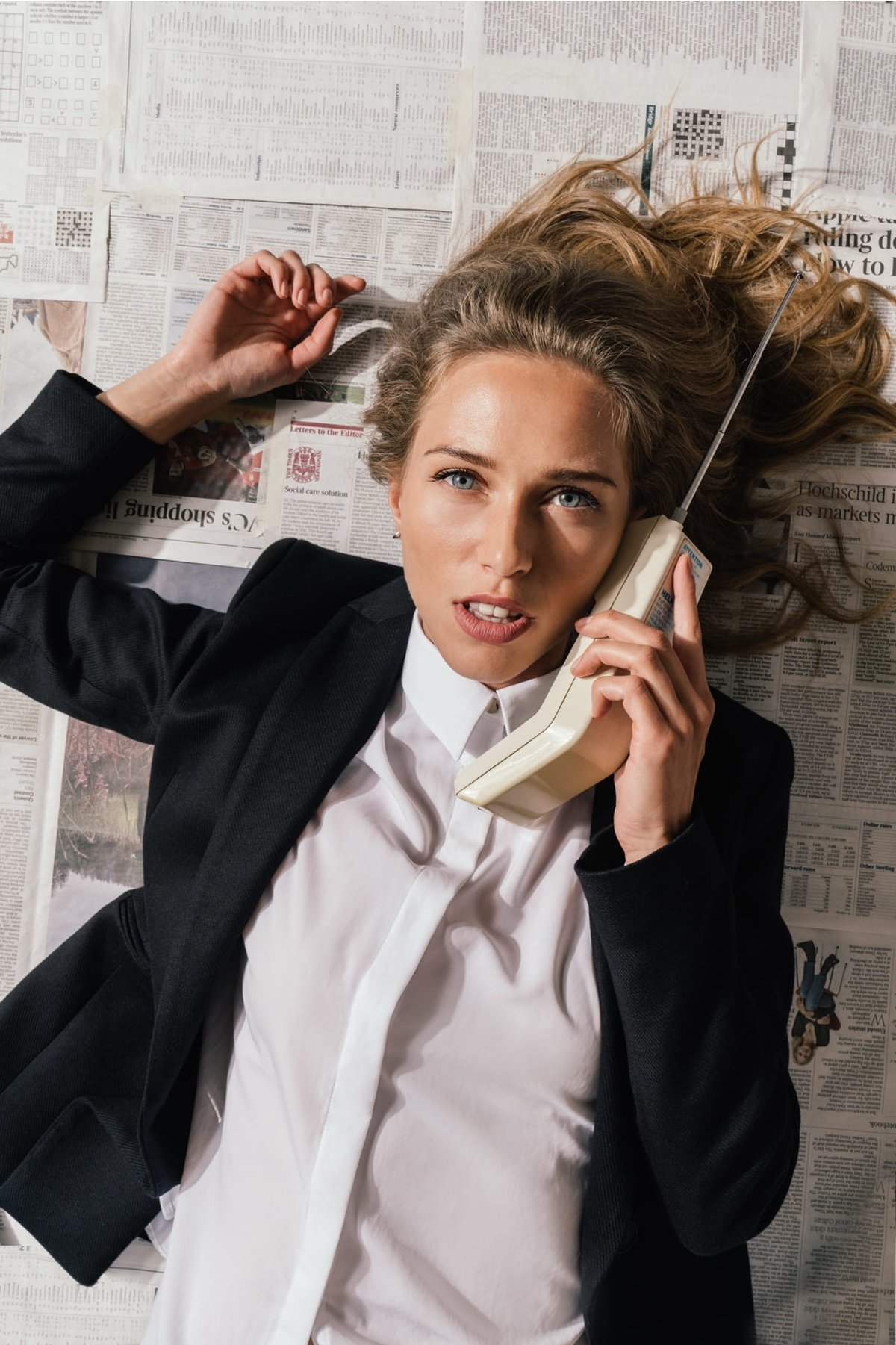
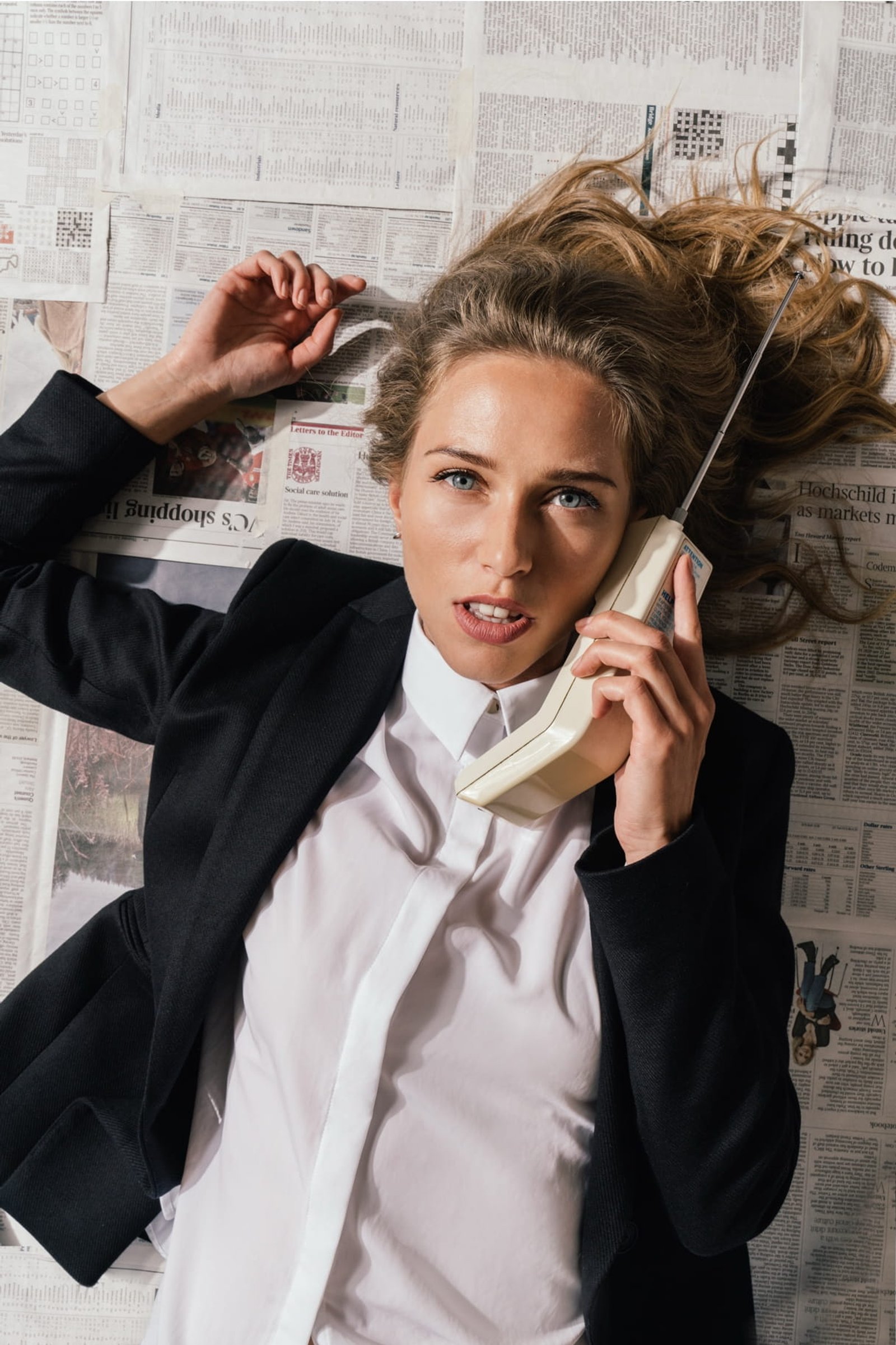
For a while, fashion felt stuck. The industry became increasingly dominated by algorithms, trend repetition and highly polished sameness. Social media feeds blurred together into endless neutral palettes, identical silhouettes and perfectly controlled minimalism. Collections moved faster, but somehow felt less surprising. Even luxury became strangely predictable.
Fashion still looked beautiful, but it often lacked energy. Now, however, something is changing.
Across runways, independent brands, photography, styling and street fashion, creativity feels alive again in a way that has not happened for years. Personal style is returning. Designers are embracing emotion and individuality over perfection. Vintage fashion feels more instinctive than performative. Young creatives are mixing references more freely without worrying about strict aesthetics or trend categories.
Most importantly, fashion feels human again.
The shift is subtle but significant. After years of restraint, consumers increasingly want warmth, personality and emotional connection from clothing rather than simply aspiration. Fashion is rediscovering spontaneity, cultural energy and imagination.
For the first time in a long time, getting dressed feels exciting again.
The End Of Algorithmic Dressing
One of the biggest reasons fashion feels more energised right now is because people are slowly becoming exhausted by algorithm-driven aesthetics.
During the late 2010s and early 2020s, digital platforms shaped style at unprecedented speed. Trends emerged instantly and spread globally within hours. Certain silhouettes, colour palettes and styling formulas became dominant because they performed well online.
Minimalism thrived partly because it photographed beautifully. Quiet luxury aesthetics spread because they looked polished and aspirational inside highly curated feeds. Fashion became increasingly optimised for screens rather than real life.
Eventually, however, this created visual fatigue.
Consumers started noticing how similar everything looked. The same oversized blazers, tonal outfits and carefully neutral interiors appeared repeatedly across brands and influencers alike. Personal style often disappeared beneath trend conformity.
Now there is a growing rejection of that sameness.
People increasingly want individuality again. They want clothing that feels instinctive rather than algorithmically approved. This does not mean trends have disappeared entirely, but consumers seem less interested in dressing identically to everyone else online.
Fashion feels freer because people are becoming less afraid of personal taste.
Vintage Changed Everything
Vintage fashion has played a huge role in this cultural shift.
For years, vintage existed mainly as a niche subculture or sustainability conversation. Today, it sits at the centre of contemporary style. Younger consumers increasingly combine vintage pieces with modern tailoring, designer accessories and independent brands in highly personal ways.
Importantly, vintage dressing introduces unpredictability back into fashion.
When people wear older garments, archive pieces or secondhand finds, outfits naturally become more individual. Styling feels less corporate and more emotional. Clothing gains history and personality.
This shift has also changed how consumers think about fashion overall. Rather than chasing complete new wardrobes every season, many people now build wardrobes gradually through discovery and instinct. Personal style develops through layering references and experiences over time.
That process feels far more creative than trend consumption alone.
Fashion Feels Cultural Again
Another reason fashion feels exciting again is because it has become more deeply connected to wider culture.
For a period, fashion often felt isolated inside its own digital ecosystem. Trends were driven largely by influencers, ecommerce and social media visibility rather than broader artistic or cultural movements.
Now, however, fashion increasingly overlaps with film, music, art, architecture and publishing again.
Designers reference cinema more openly. Fashion photography feels warmer and more cinematic. Independent magazines are thriving creatively. Music scenes influence styling in more authentic ways. Art galleries, restaurants and nightlife spaces are once again shaping how people dress.
This cultural layering gives fashion greater emotional depth.
Style becomes more interesting when it reflects wider creative life rather than simply products or trends. Some of the most exciting contemporary brands succeed precisely because they create complete cultural worlds around themselves rather than focusing purely on clothing.
Consumers increasingly want stories, atmosphere and emotional identity alongside products.
Independent Brands Are Thriving
Fashion’s renewed energy is also coming from smaller independent brands.
Over the past decade, many luxury houses became so large and commercially driven that creativity sometimes felt diluted beneath marketing strategy and product expansion. Independent brands, however, often operate with more clarity and personality because they are built around strong creative identities rather than mass scale.
These brands frequently prioritise community, storytelling and emotional connection over hype.
Many also feel more relatable and modern because they reflect real lifestyles rather than fantasy-driven luxury positioning. Soft tailoring, elevated basics and thoughtful fabrics resonate because they fit naturally into contemporary life while still feeling aspirational.
Importantly, independent brands also allow room for experimentation. Without enormous corporate structures, they can move instinctively and respond emotionally to culture.
This flexibility makes fashion feel alive again.
The Return Of Warmth
One of the most noticeable shifts happening across fashion imagery right now is the return of warmth.
For years, luxury fashion leaned heavily into cold perfection. Campaigns felt highly controlled and emotionally distant. Minimalism dominated not only styling but photography, interiors and branding itself.
Now the mood feels softer and more human.
Campaigns increasingly feature movement, texture and personality rather than rigid perfection. Photography feels grainier and more cinematic. Colour palettes are becoming richer and more emotional. Designers are embracing tactile fabrics, layered styling and more expressive silhouettes.
Even luxury itself feels less intimidating than before.
This change reflects a wider cultural desire for emotional connection and authenticity. After years of polished digital aesthetics, consumers increasingly crave imperfection and atmosphere.
Fashion no longer wants to appear untouchable. It wants to feel relatable and emotionally real.
Fashion Is Becoming More Personal
Perhaps the most important change happening right now is that fashion is becoming personal again.
During peak trend culture, wardrobes often followed highly specific aesthetic categories. People dressed according to microtrends or internet-defined identities that changed constantly. Fashion became performative rather than instinctive.
Now consumers increasingly reject rigid aesthetic labels altogether.
People mix tailoring with sportswear, vintage jewellery with minimalist basics, designer pieces with secondhand finds. Style feels more fluid and less rule-based. Individuality matters more than aesthetic purity.
This creates far more interesting fashion because real personal style is always slightly inconsistent.
The most stylish people rarely look like they are following trends too closely. Instead, they look emotionally connected to what they are wearing. That emotional authenticity is returning across contemporary fashion right now.
Creativity Is Returning To Fashion Shows
Fashion shows themselves also feel more emotionally ambitious again.
For a period, many runway presentations became heavily optimised for social media clips and viral moments. Spectacle often mattered more than atmosphere or storytelling.
Recently, however, some of the strongest collections have focused less on internet impact and more on emotional world-building. Music, casting, lighting and set design are being used to create immersive moods rather than simply online content.
Designers increasingly understand that audiences crave emotional experiences rather than endless digital stimulation.
The most memorable shows now feel cinematic, intimate or culturally layered rather than purely attention-seeking. This shift suggests fashion itself is becoming more reflective and emotionally mature.
Softness Changed Luxury
The growing focus on softness has also transformed fashion positively.
Consumers increasingly prioritise comfort, fabric quality and emotional wearability over obvious status dressing. This has pushed brands towards softer tailoring, better materials and more thoughtful product development
Importantly, softness also created space for more nuanced forms of luxury.
Rather than relying on logos or trend visibility, modern luxury increasingly communicates itself through texture, fit and emotional experience. Beautiful fabric, thoughtful design and wearability matter more than overt display.
This shift makes fashion feel more sophisticated and emotionally intelligent overall.
London Feels Creative Again
Cities themselves are also helping drive fashion’s renewed energy.
London in particular feels creatively alive again right now. Independent restaurants, galleries, nightlife spaces, studios and fashion brands are reconnecting across the city. Younger creatives increasingly mix disciplines naturally, moving between music, photography, styling, publishing and art.
The result is a fashion culture that feels less commercial and more collaborative.
Some of the most exciting contemporary style emerges from these intersections between fashion and wider creative life. The energy feels instinctive rather than manufactured.
Fashion always thrives most when connected to real cultural scenes rather than purely digital environments.
Why This Moment Feels Different
Fashion has gone through periods of reinvention before, but this current shift feels especially significant because it is emotional as much as visual.
Consumers no longer want perfection alone. They want personality, comfort, creativity and connection. They want clothing that reflects real life while still offering beauty and aspiration.
This creates space for richer, more layered fashion culture.
The current mood also feels hopeful. After years dominated by exhaustion, overstimulation and aesthetic sameness, fashion is rediscovering imagination and individuality again.
Importantly, this excitement does not come from one dominant trend. It comes from diversity itself. Different aesthetics, references and identities now coexist more freely without one singular look controlling everything.
That openness makes fashion feel unpredictable again.
And unpredictability is often where the most exciting creativity begins.
Fashion Feels Alive Again
Ultimately, fashion feels exciting again because it is becoming less rigid and more human.
People are dressing with instinct rather than purely strategy. Designers are embracing emotion rather than perfection. Brands are building worlds rather than simply selling products. Creativity feels less filtered through algorithms and more connected to real cultural energy.
Fashion works best when it creates emotion, curiosity and imagination rather than simple consumption. Right now, it feels like the industry is slowly rediscovering that truth.
For the first time in years, fashion feels less like content and more like culture again. And that change feels genuinely exciting.