

why
We're All Obsessed With Softness
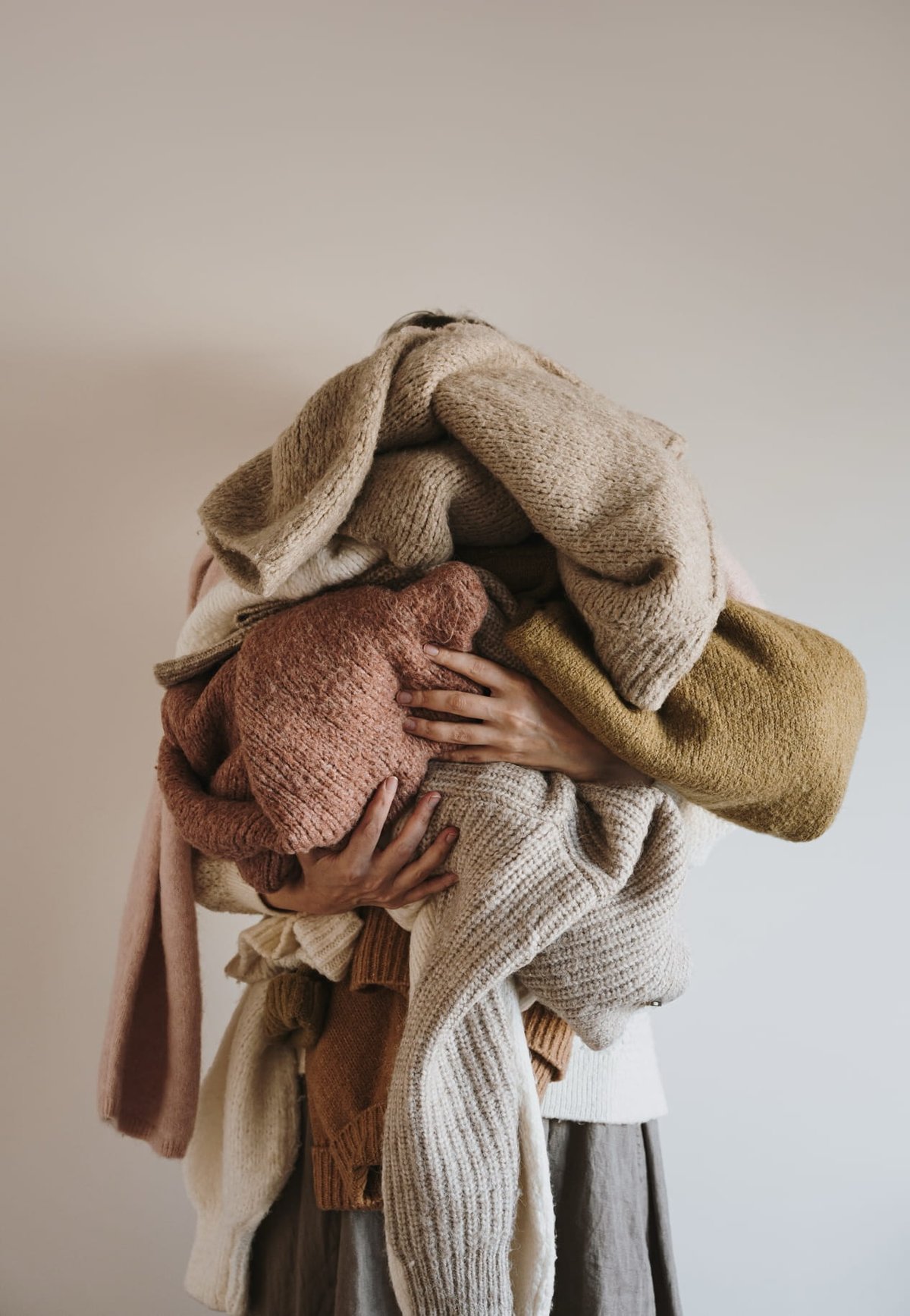
Fashion has always reflected the emotional mood of the moment. In times of excess, silhouettes become louder and more dramatic. During periods of uncertainty, clothing often moves towards practicality and restraint. Right now, however, fashion seems focused on something quieter and more instinctive: softness.
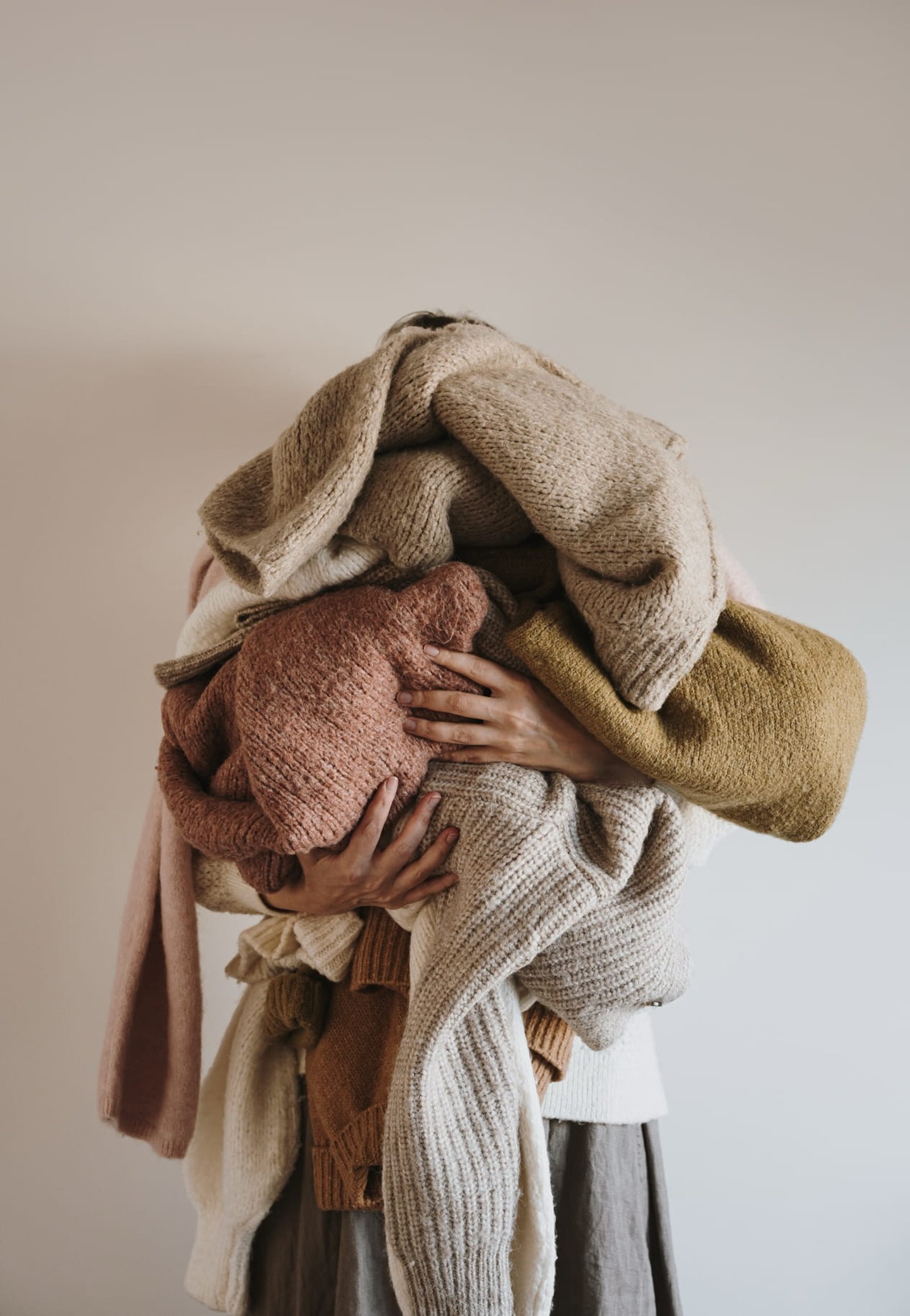
Soft tailoring, brushed knitwear, fluid fabrics and relaxed silhouettes dominate modern wardrobes across both luxury and contemporary fashion. Colour palettes feel muted and calming. Fabrics are increasingly chosen for texture and comfort as much as visual appearance. Even the language surrounding fashion has changed. Words such as effortless, relaxed, fluid and comforting appear constantly throughout campaigns and collections.
Softness has become one of the defining visual and emotional codes of modern luxury.
The shift goes far beyond trends alone. It reflects changing lifestyles, emotional exhaustion, digital overload and a growing desire for clothing that feels physically and psychologically reassuring. Fashion today is not simply trying to impress people visually. Increasingly, it is trying to make people feel calm.
The End Of Hard Dressing
For much of the 2010s, fashion often celebrated intensity.
Streetwear dominated luxury culture. Logos became status symbols. Trainers grew oversized. Social media encouraged increasingly performative dressing built around visibility and immediacy. Fashion became louder, faster and more attention-driven.
Then the pandemic changed everything.
As people spent more time indoors, priorities shifted rapidly. Suddenly, comfort mattered more than spectacle. Clothing needed to function within homes, remote working environments and slower daily routines. Soft fabrics, relaxed silhouettes and elevated basics replaced restrictive or overly styled fashion almost overnight.
Importantly, consumers did not fully return to previous habits afterwards.
Instead, softness became embedded into the wider identity of modern fashion itself.
Comfort Became Luxury
One of the most significant changes in contemporary fashion is that comfort is no longer viewed as separate from luxury.
Previously, luxury often implied structure, formality and aspiration. Today, luxury increasingly means softness, ease and wearability. A beautifully brushed knit or fluid pair of trousers now feels more modern than rigid tailoring or overt glamour.
Brands such as The Row, Loro Piana and Phoebe Philo helped define this new visual language. Their collections prioritised tactile fabrics, relaxed silhouettes and understated refinement. Clothing looked effortless rather than overtly styled.
This shift reflected broader changes in lifestyle too. People increasingly wanted wardrobes that could move seamlessly between work, travel, home and social settings without requiring constant outfit changes.
Softness suited modern life better than formality did.
Fashion Became Emotional
Part of fashion’s obsession with softness is deeply emotional.
The modern world feels overstimulating. Endless notifications, social media feeds, bad news cycles and digital pressure create constant psychological noise. Clothing has quietly become one of the few physical experiences people still interact with intimately every day.
As a result, consumers increasingly care about how clothing feels emotionally rather than simply how it photographs.
Soft fabrics create comfort and reassurance. Relaxed tailoring allows ease of movement. Neutral colours feel calming rather than confrontational. Texture itself has become a form of emotional communication.
Fashion is increasingly responding to emotional needs rather than pure aspiration.
This is one reason softness resonates so strongly right now. It offers relief from intensity.
Fabric Is Now Central To Luxury
Modern fashion also places far greater emphasis on fabric than previous trend cycles.
Consumers increasingly understand the difference between cheap synthetic materials and beautifully sourced fabrics. Softness itself has become associated with quality and refinement. A perfectly washed cotton shirt or fluid wool coat communicates luxury more subtly than visible branding ever could.
Texture is now one of fashion’s most important design tools.
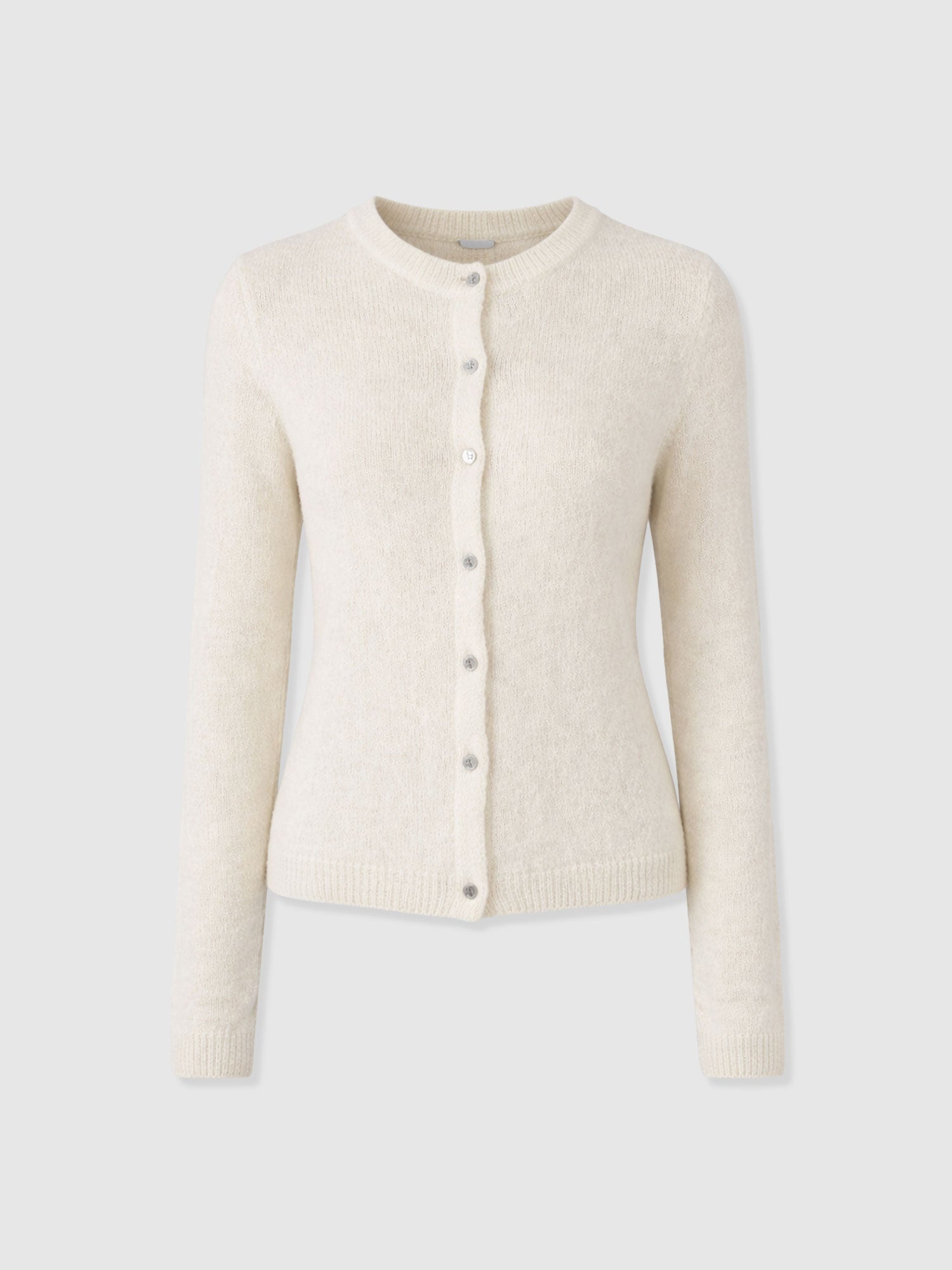
Brushed cashmere, washed silk, soft tailoring fabrics and lightweight knitwear all dominate contemporary collections because they create sensory connection. Clothing feels more personal when texture becomes central to the experience.
At Saint and Sofia, softness sits at the heart of product development for exactly this reason. Fabric selection focuses heavily on touch, movement and comfort because modern wardrobes increasingly demand emotional wearability alongside visual sophistication.
The Rise Of Soft Tailoring
Tailoring itself has transformed dramatically through this wider shift towards softness.
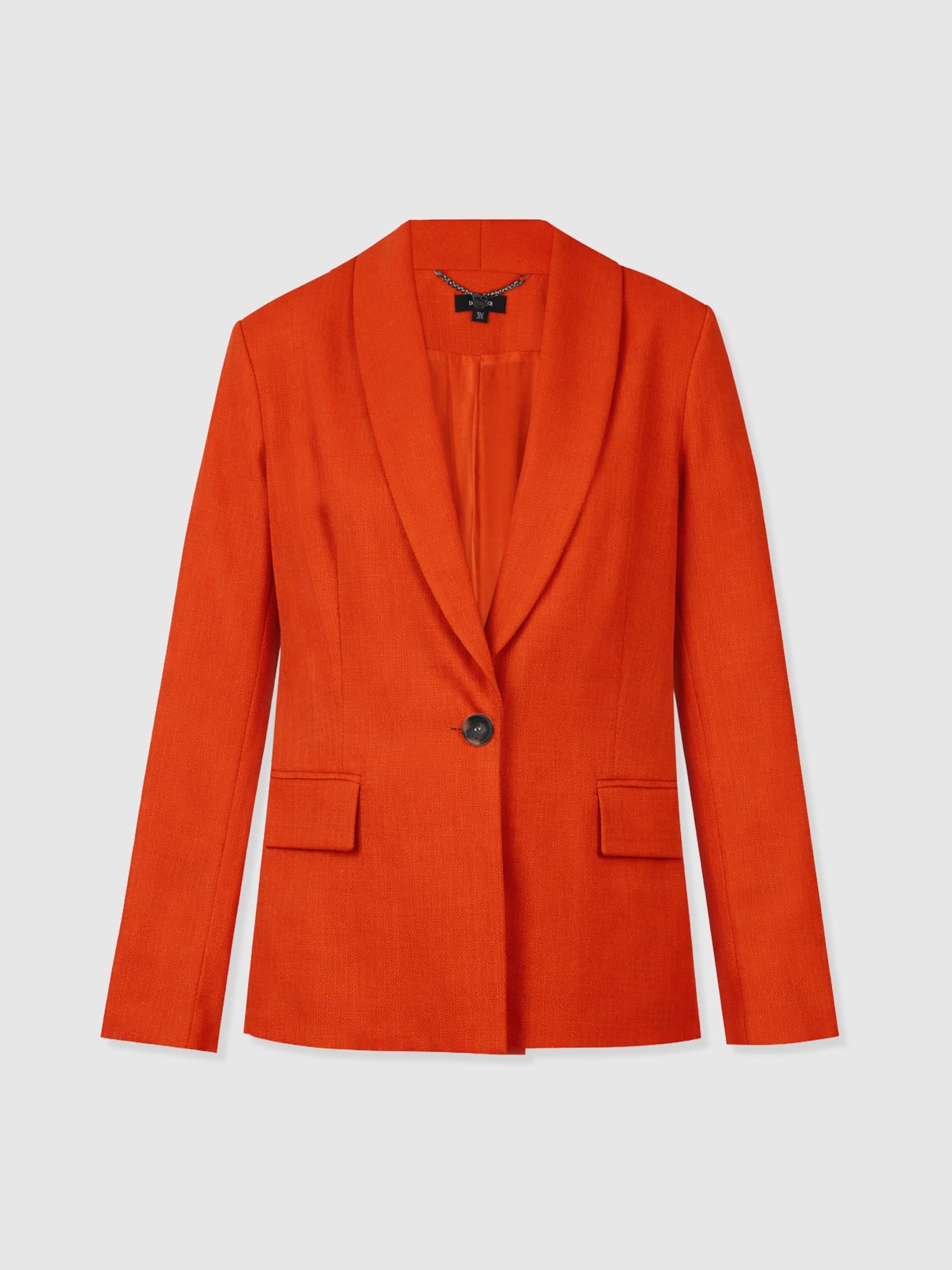
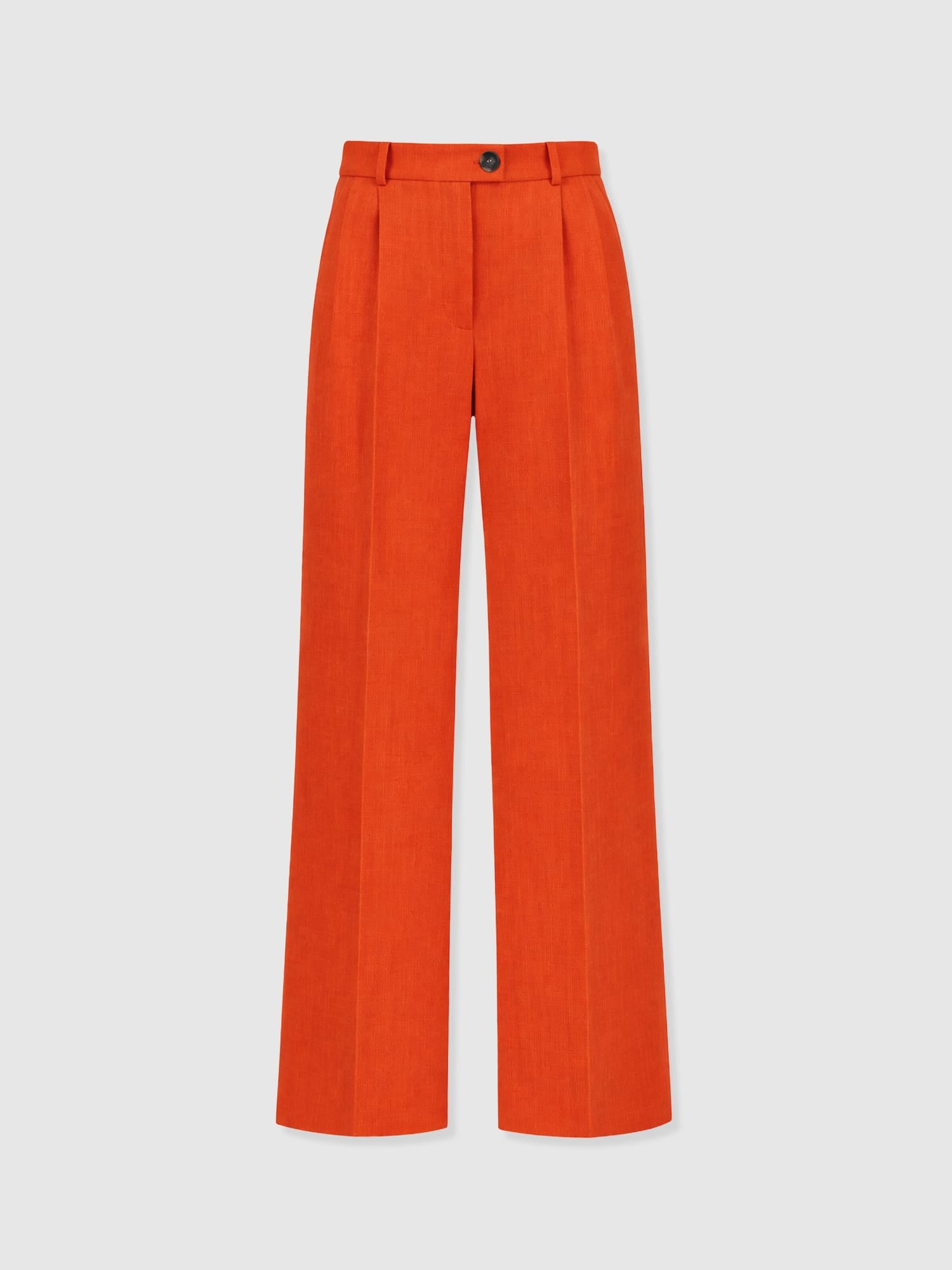
Traditional suiting once emphasised sharp structure and rigid formality. Contemporary tailoring now feels fluid, relaxed and adaptable. Blazers are softer through the shoulder. Trousers move more naturally. Fabrics drape rather than constrain.
The change reflects how women actually live today.
Modern wardrobes need flexibility. Clothing must function across multiple environments while still feeling polished and elevated. Soft tailoring allows sophistication without restriction, which explains why it has become such a defining category within contemporary fashion.
Importantly, softness no longer signals informality or lack of ambition. Instead, it communicates confidence and ease.
Interiors, Wellness And Fashion Are Connected
Fashion’s softness obsession also mirrors wider aesthetic changes happening across interiors, beauty and hospitality.
Luxury hotels increasingly focus on calmness and sensory comfort. Interior design prioritises natural materials, warm lighting and tactile textures. Beauty branding leans towards minimal packaging and emotionally soothing language.
All these industries are responding to the same cultural mood.
Consumers want environments and products that feel emotionally restorative rather than overstimulating. Fashion naturally absorbed these values too. Clothing became part of a wider lifestyle aesthetic built around softness, calmness and quiet luxury.
The connection between fashion and interiors feels especially strong today because both industries increasingly prioritise emotional atmosphere over visual excess.
The Influence Of Digital Culture
Ironically, digital culture itself helped create the softness movement.
The rise of highly curated social media aesthetics encouraged minimalism, neutral palettes and visually calming imagery because these elements performed well online. Cream knitwear, tonal dressing and softly lit interiors became instantly recognisable markers of aspirational modern living.
However, the deeper reason softness resonated online was emotional rather than visual.
People were searching for calmness within increasingly chaotic digital environments. Soft fashion imagery provided a form of visual escape from overstimulation.
Even now, many of the most successful luxury campaigns feel warm, tactile and emotionally intimate rather than glossy or aggressive.
Softness Is Becoming More Personal
Fashion’s relationship with softness is now evolving further.
Earlier phases of the trend leaned heavily into minimal perfection. Neutral wardrobes, quiet luxury and understated dressing dominated across social media. Increasingly though, softness is becoming less sterile and more personal.
Texture is becoming richer. Colour is slowly returning. Vintage dressing feels warmer and more instinctive. Fashion is moving away from clinical perfection towards something more emotional and human. This shift suggests softness itself is not disappearing. Instead, it is becoming more layered and expressive.
What Softness Says About Fashion Today
Ultimately, fashion’s obsession with softness reveals far more than aesthetic preference. It reflects a wider cultural desire for comfort, calmness and emotional ease during a period defined by exhaustion and uncertainty.
Modern consumers still want beauty and aspiration, but they increasingly want those things to feel livable rather than performative. Clothing now succeeds when it supports everyday life rather than competing against it. Softness communicates confidence differently from traditional power dressing. It feels quieter, more intuitive and less concerned with external validation.
Perhaps that is why softness resonates so deeply right now. In a world that often feels loud, demanding and relentless, softness offers something increasingly valuable: relief. And fashion, more than ever, understands the emotional power of that feeling.