


why
Minimalist Art Still Feels So Modern
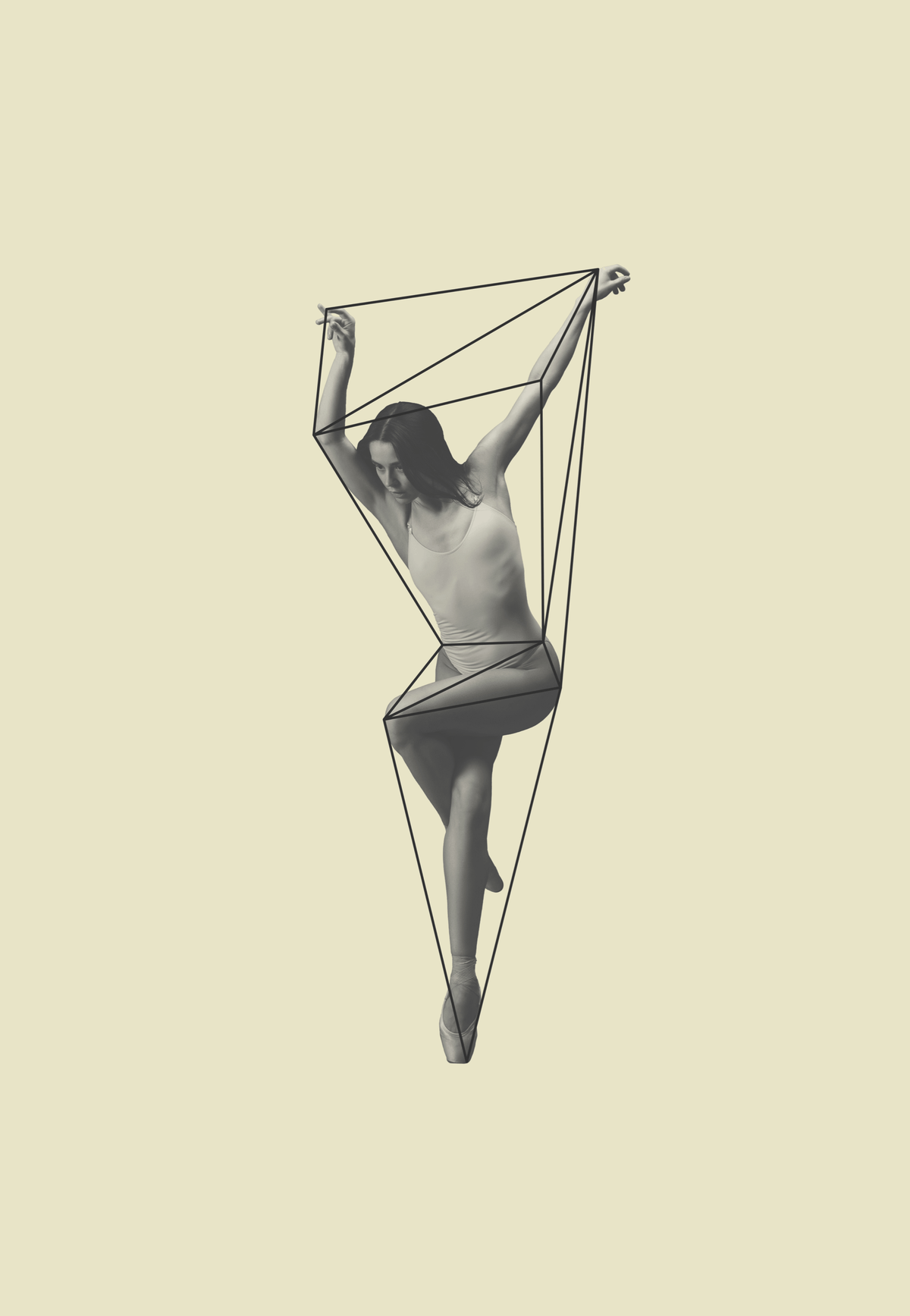
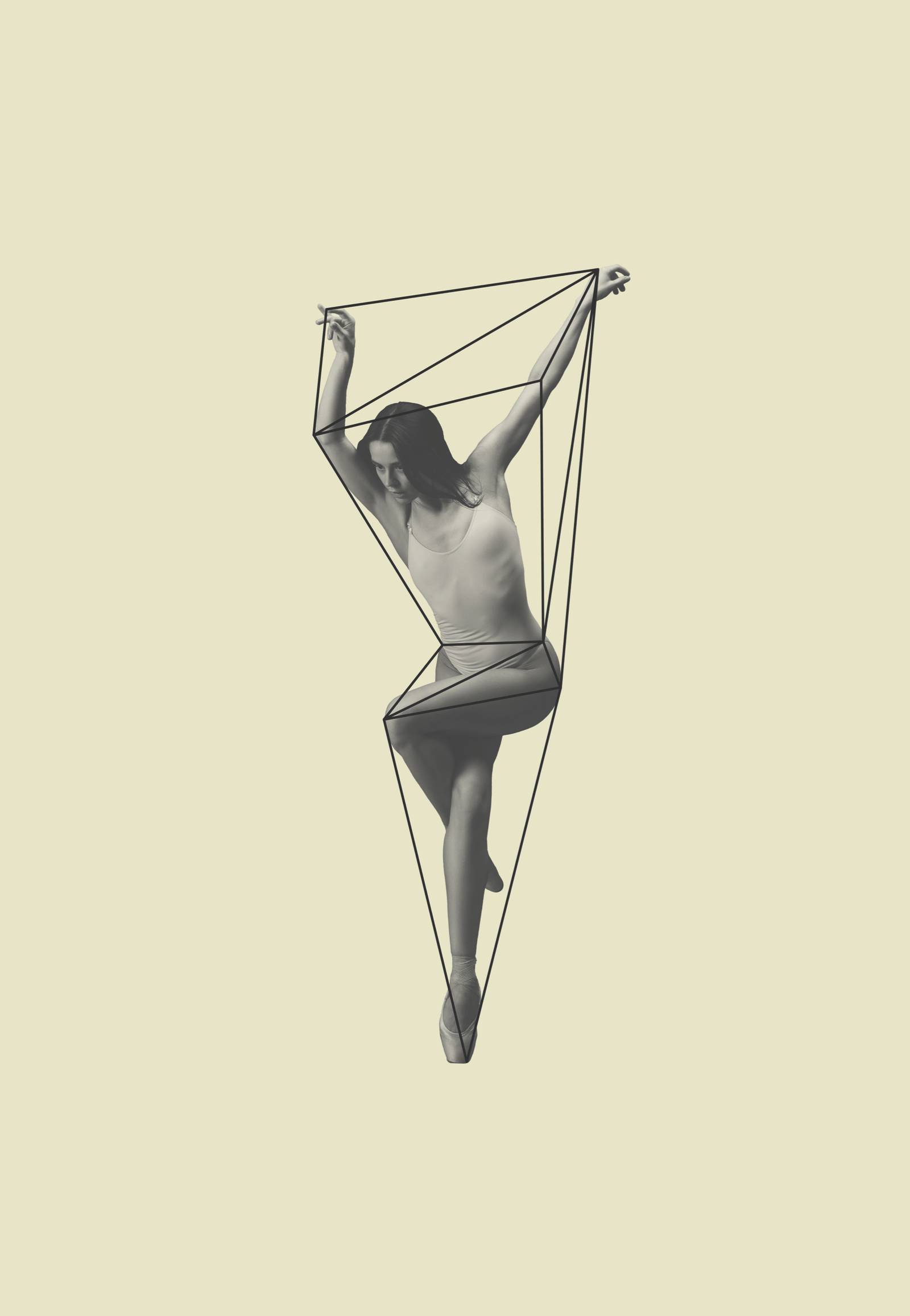
Minimalist art has existed for decades, yet it continues to feel remarkably contemporary. While many artistic movements become tied to a specific era, minimalist art remains timeless because its ideas continue to resonate with the modern world. Its clean lines, restrained palettes and focus on simplicity feel just as relevant today as they did when the movement first emerged during the mid twentieth century.
Part of the reason minimalist art still feels so modern is because the world around us has become increasingly noisy. We live surrounded by constant stimulation, endless digital content and visual overload. Against this backdrop, minimalism offers something increasingly rare: clarity. Minimalist art creates space to pause, reflect and focus. It removes distraction rather than adding to it.
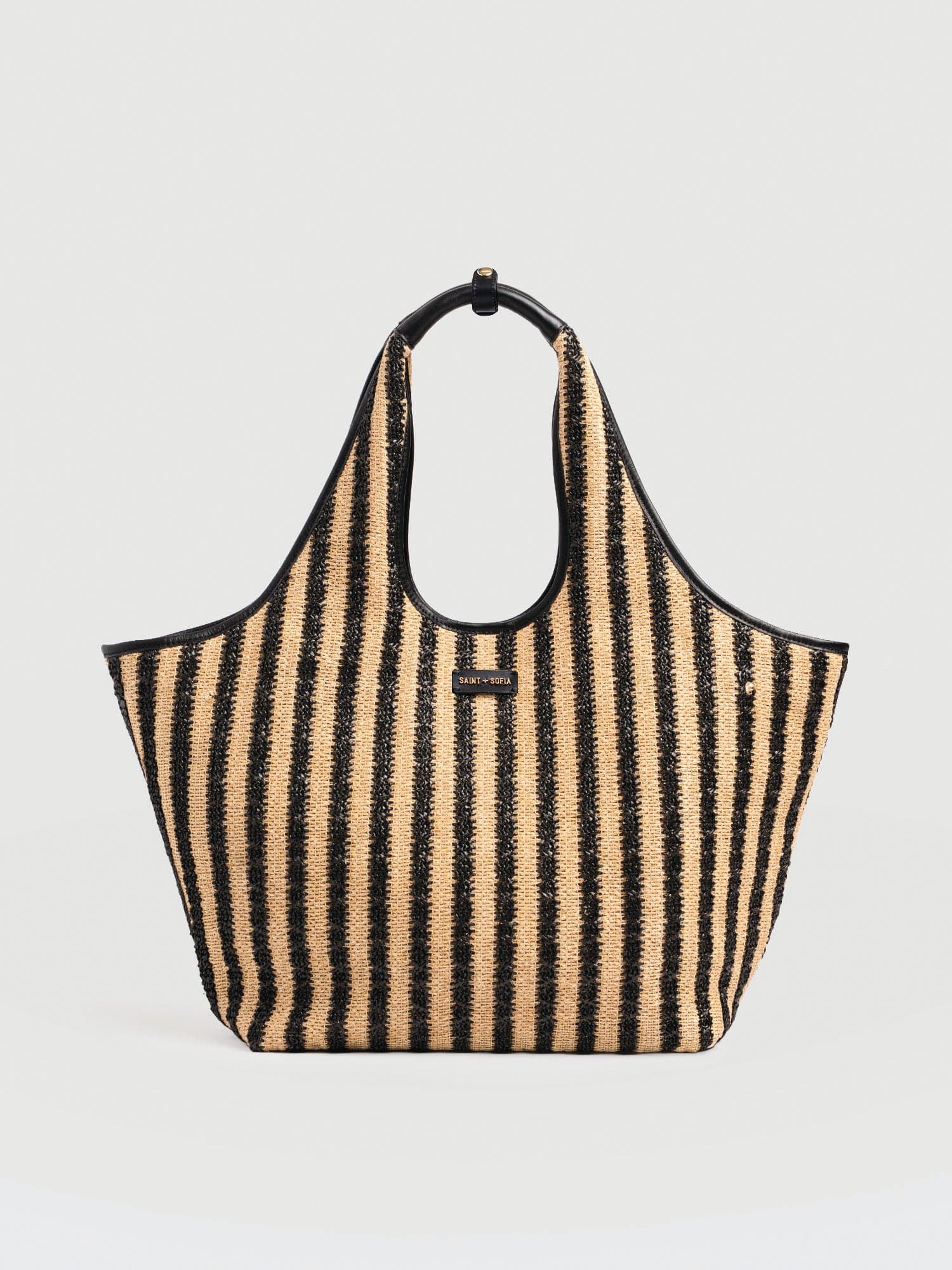
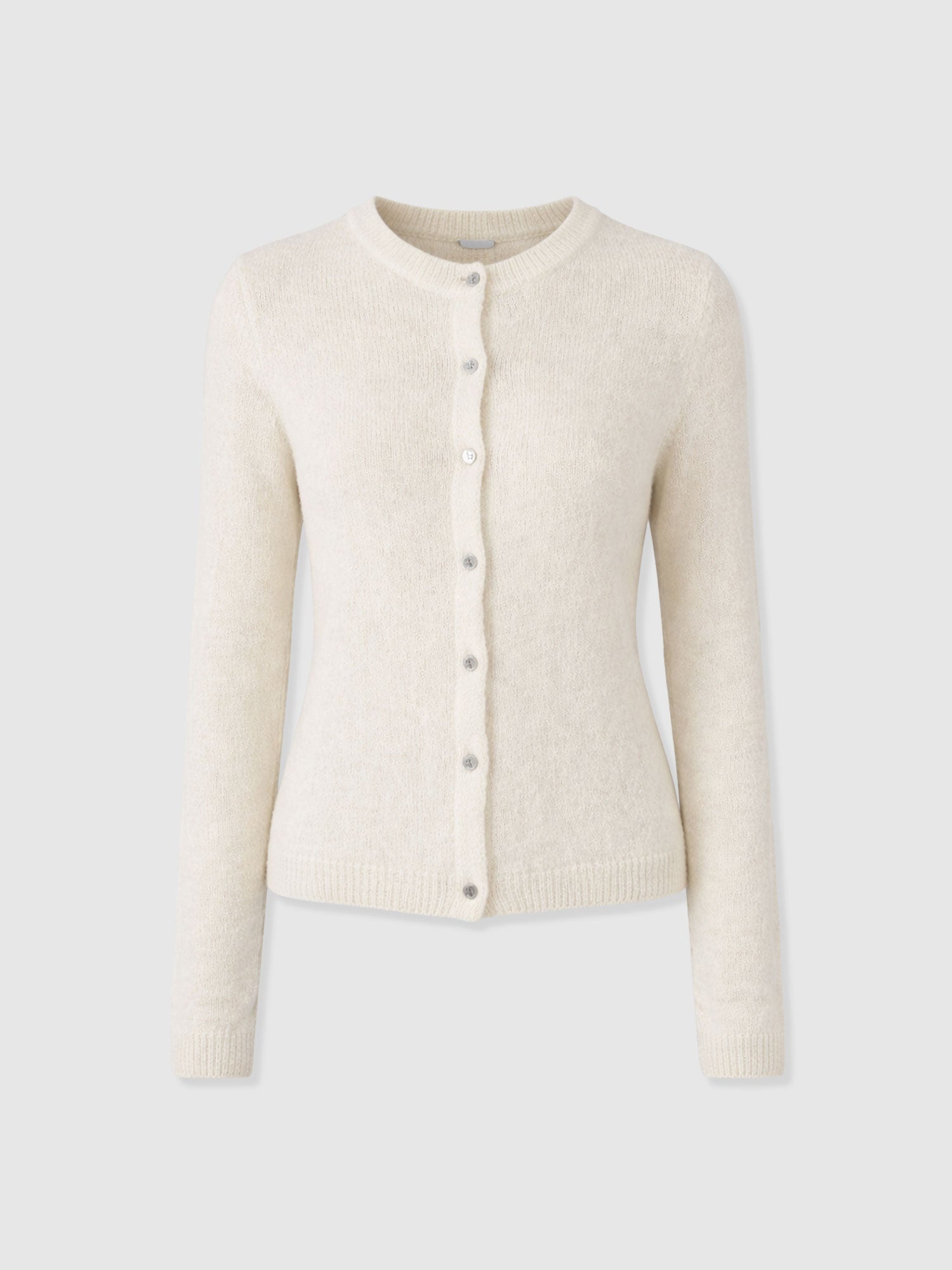
Over time, minimalist aesthetics have expanded far beyond galleries and museums. Today, minimalism influences architecture, fashion, interior design, branding, photography and digital culture. The movement’s visual language has become deeply embedded within contemporary life because it aligns perfectly with the way modern audiences increasingly want to live and experience design. At Saint and Sofia, this philosophy of simplicity and timeless design continues to influence modern fashion through clean silhouettes, monochrome palettes and understated detailing. Much like minimalist art itself, the appeal lies not in excess but in refinement.
The Origins Of Minimalist Art
Minimalist art emerged during the 1960s as a reaction against the emotional intensity and complexity of movements such as Abstract Expressionism. Artists began stripping away decorative elements, symbolism and overt emotion in favour of simplicity, repetition and pure form.
Rather than focusing on storytelling or dramatic expression, minimalist artists concentrated on the relationship between shape, material, colour and space. Works often featured geometric forms, monochromatic palettes and industrial materials presented with remarkable restraint.
Artists such as Donald Judd, Agnes Martin, Dan Flavin and Frank Stella helped define the movement by creating work that rejected unnecessary ornamentation. Their art encouraged viewers to experience objects directly rather than searching for hidden narratives or symbolic meaning. This radical simplicity initially felt controversial. Many critics questioned whether minimalist works were even art at all because they lacked the complexity traditionally associated with fine art. Yet over time, this simplicity became exactly what made minimalism so enduring.
Why Simplicity Feels Timeless
One reason minimalist art continues to feel modern is because simplicity rarely dates. Trends built around excessive decoration or highly specific aesthetics often become tied to particular decades. Minimalism avoids this problem because it focuses on reduction rather than embellishment.
Simple forms remain visually relevant across generations because they are not dependent on temporary cultural references. A monochrome painting, a geometric sculpture or a clean architectural space can feel just as contemporary decades later because its visual language is restrained enough to evolve alongside changing tastes.
Minimalist art also leaves room for interpretation. Rather than overwhelming the viewer with information, it invites a quieter and more personal experience. This openness allows the work to adapt across different eras and audiences without losing its impact. In many ways, minimalist art behaves similarly to timeless fashion. Clean tailoring, monochrome palettes and understated silhouettes continue to feel relevant because they rely on proportion and quality rather than trends alone.
Minimalism And Modern Architecture
Minimalist art has had a profound influence on architecture and interior design. Many of the world’s most recognisable contemporary spaces reflect minimalist principles through their use of light, material and open space.
Modern architecture increasingly prioritises simplicity, functionality and clarity. Glass structures, concrete surfaces, neutral palettes and open-plan interiors all reflect minimalist ideals. These spaces often feel calming because they reduce visual clutter and allow materials and proportions to speak for themselves.
The connection between minimalism and modern living has become even stronger in recent years as people increasingly seek environments that feel peaceful and intentional. Minimalist interiors are often associated with wellbeing because they create a sense of order within increasingly fast-paced lives. This influence extends far beyond luxury architecture. Minimalist design principles now shape everything from cafés and retail spaces to digital interfaces and branding systems. The visual language of minimalism has become synonymous with sophistication and modernity.
The Relationship Between Minimalism And Fashion
Fashion has repeatedly returned to minimalism because it offers a form of elegance that feels timeless rather than trend dependent. Designers throughout the 1990s especially embraced minimalist aesthetics through clean tailoring, monochrome colour palettes and refined silhouettes.
Today, minimalist fashion remains deeply relevant because it aligns with the growing popularity of capsule wardrobes, quiet luxury and anti-trend dressing. Consumers increasingly want clothing that feels versatile, elevated and wearable across different parts of life.
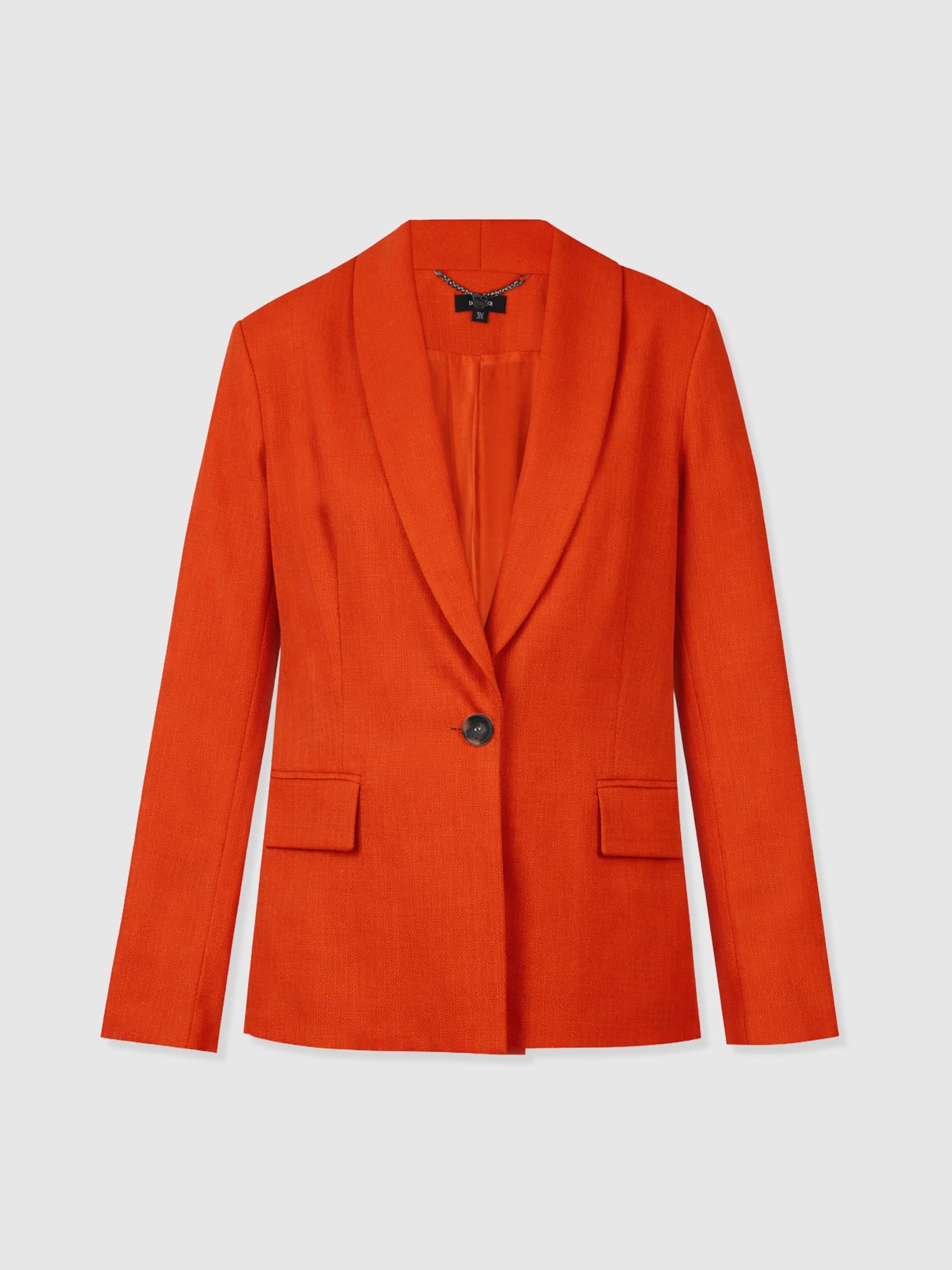
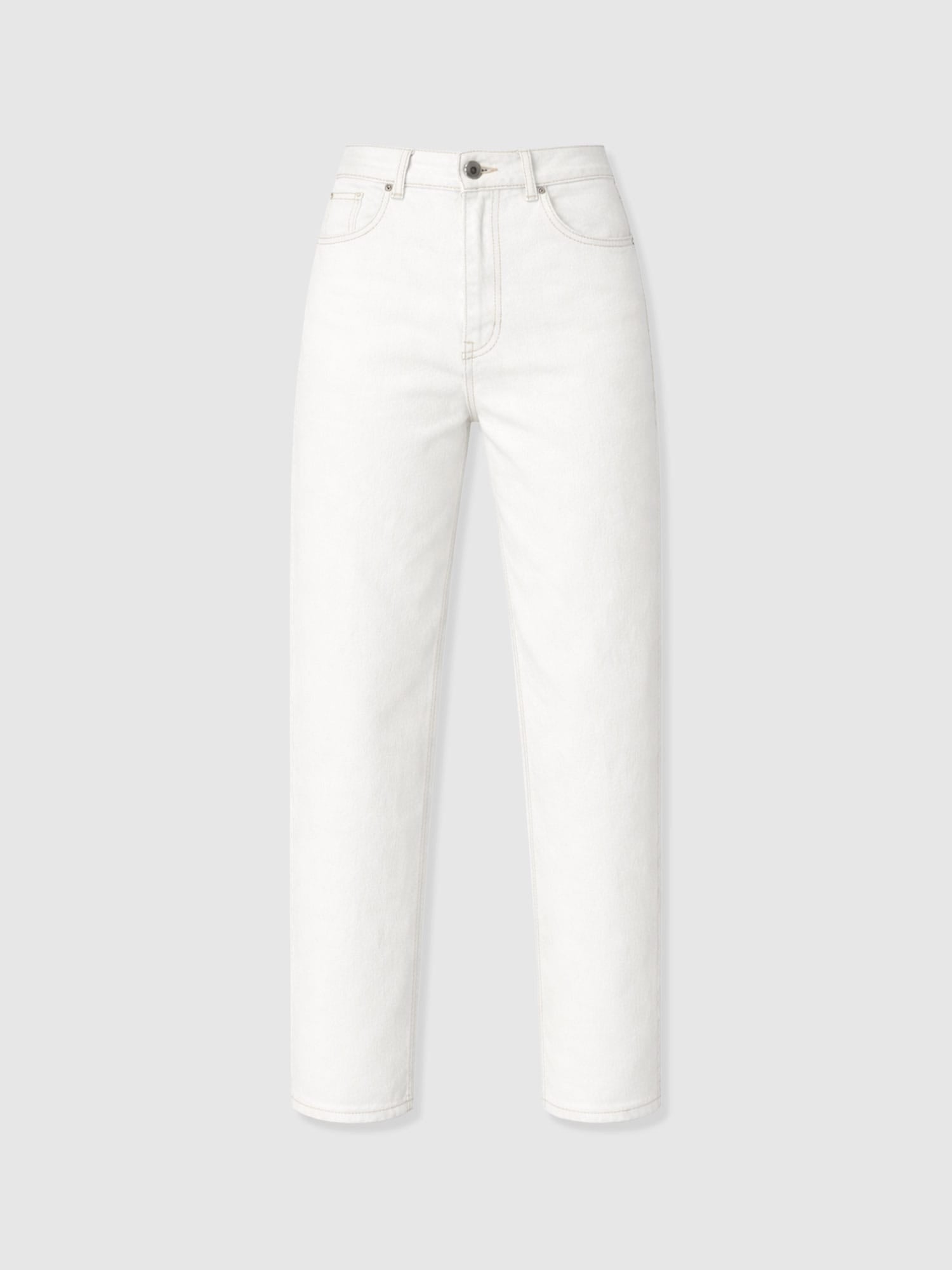
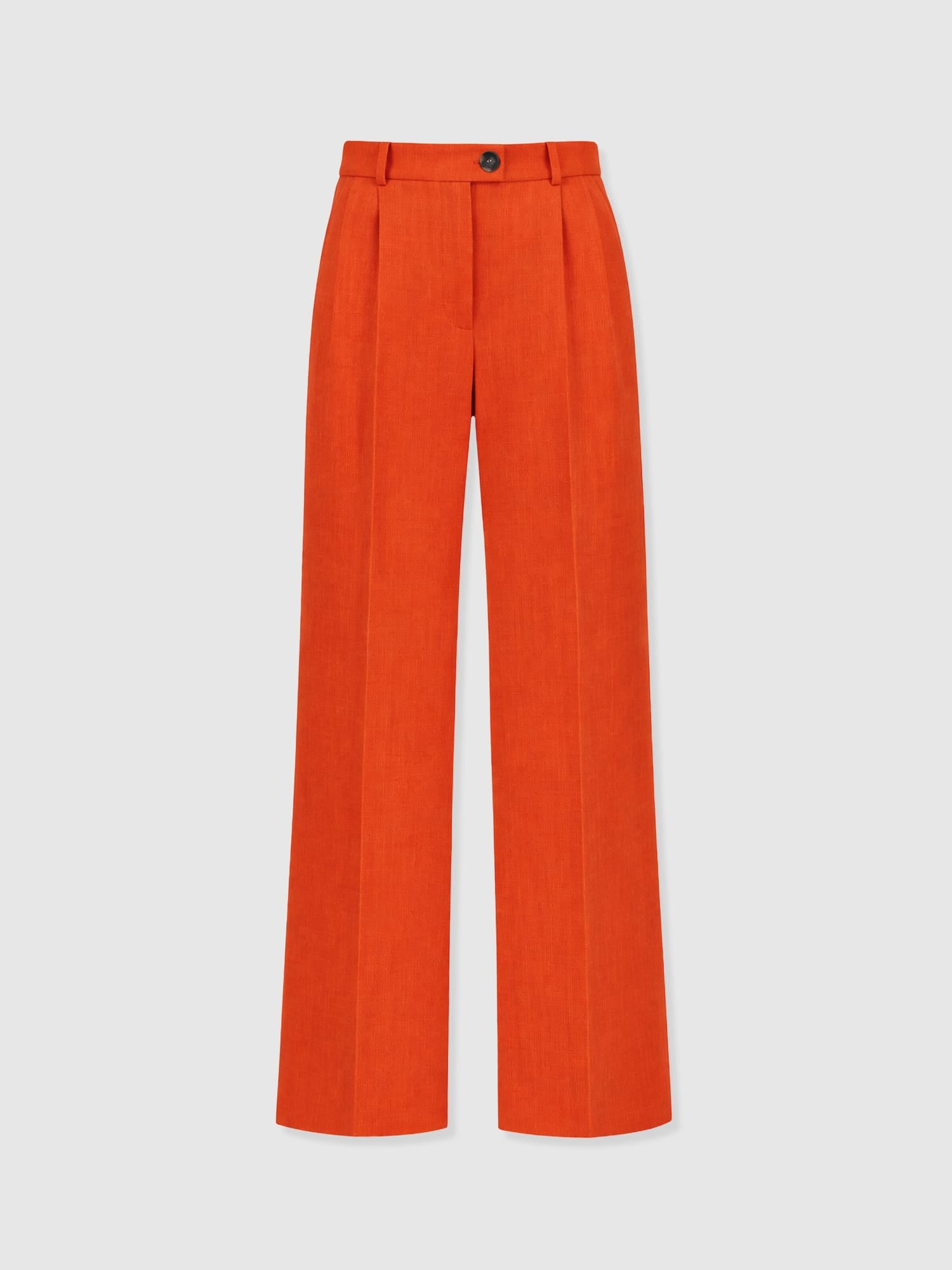
At Saint and Sofia, many collections reflect these same minimalist principles through structured tailoring, understated knitwear and monochrome styling. Modern fashion increasingly values simplicity not because it feels plain, but because it allows craftsmanship, silhouette and material to take centre stage. Minimalist dressing also reflects a broader cultural shift toward intentional consumption. Rather than chasing fast-moving trends, people increasingly invest in timeless pieces designed to last beyond a single season.
Why Minimalism Works So Well In Digital Culture
Interestingly, minimalist art feels even more relevant in the digital era than it did when the movement first emerged. Modern technology depends heavily on minimalist visual systems because simplicity improves clarity and usability.
Digital platforms, apps and websites increasingly rely on clean interfaces, neutral colours and simplified layouts inspired by minimalist design. Without minimalism, digital experiences would quickly become overwhelming and difficult to navigate.
The rise of social media has also contributed to the popularity of minimalist aesthetics. Clean compositions, monochrome interiors and understated styling photograph particularly well in digital environments. Minimalism communicates sophistication quickly because it feels calm and intentional within crowded visual feeds. This connection between minimalism and digital culture has helped keep the movement visually contemporary. While other artistic styles may feel tied to physical galleries or historical periods, minimalist aesthetics integrate naturally into modern technology and media.
The Emotional Power Of Restraint
Although minimalist art is often perceived as cold or detached, its restraint can actually create a surprisingly emotional experience. By removing distraction, minimalism allows viewers to focus more deeply on texture, scale, repetition and space.
Silence can often feel more powerful than noise. Minimalist art uses emptiness and reduction in a way that encourages contemplation rather than immediate consumption. This slower experience feels especially significant today when attention spans are increasingly fragmented.
Minimalist works also tend to create atmosphere rather than narrative. A large monochrome canvas or softly lit installation can completely alter how a space feels emotionally without relying on explicit storytelling. This emotional subtlety is part of what makes minimalist art so enduring. Rather than dictating a specific interpretation, it allows people to project their own thoughts and experiences onto the work.
The Influence Of Japanese Aesthetics
Part of minimalism’s continuing relevance comes from its connection to Japanese design philosophy. Concepts such as wabi-sabi and ma emphasise simplicity, imperfection and the importance of negative space.
Japanese aesthetics influenced many minimalist artists and architects because they prioritised balance and restraint rather than decoration. These ideas continue to resonate globally because they offer an alternative to excessive consumer culture and visual overload.
The relationship between simplicity and calmness remains deeply appealing in contemporary life. Minimalist environments often feel restorative because they encourage focus and intentionality rather than constant stimulation. This influence can now be seen across fashion, interiors, product design and hospitality. Neutral palettes, natural materials and uncluttered spaces continue to define modern luxury because they create a sense of effortless sophistication.
Why Minimalism Continues To Influence Contemporary Creativity
Minimalism remains influential because it is adaptable. Unlike highly specific artistic movements, minimalism functions more like a philosophy than a rigid style. Its core principles can evolve across different mediums and generations while remaining instantly recognisable.
Contemporary artists continue to explore minimalist ideas through photography, sculpture, installation and digital media. Fashion brands increasingly embrace minimalist aesthetics because they communicate timelessness and refinement. Architects continue designing spaces centred around openness and natural light because these environments support modern lifestyles more effectively. Even contemporary branding reflects minimalist influence. Many luxury brands have simplified logos, packaging and visual identities in recent years because minimalism signals confidence and longevity. The movement’s ability to evolve without losing its identity is one of the main reasons it still feels modern today.
Minimalism In A World Of Excess
Perhaps the biggest reason minimalist art still feels contemporary is because modern culture increasingly craves simplicity. In a world dominated by algorithms, advertising and endless visual stimulation, minimalism offers something grounding.
Rather than competing for attention through excess, minimalist art creates impact through restraint. It encourages people to slow down, observe more carefully and appreciate subtle detail. This philosophy has become increasingly relevant not only in art but across modern life. From fashion and interiors to technology and wellbeing, minimalism reflects a broader desire for clarity and intentionality.
At Saint and Sofia, this balance between simplicity and sophistication continues to shape modern collections inspired by timeless design and contemporary city living. Much like minimalist art itself, the focus remains on creating pieces that feel effortless, versatile and enduring.
Minimalist art continues to feel modern because its core ideas remain deeply connected to how people increasingly want to live. Clean forms, quiet confidence and thoughtful simplicity never truly go out of style because they speak to something more lasting than trends alone. And in a world that constantly asks for more, minimalism continues to remind us of the power of less.